Donate
The Native Plant Tool Kit

This is Santa Barbara Botanic Garden’s resource guide for knowing and growing biodiversity through gardening with native plants. Here, we present a list of tools, ideas, and practices that have been curated to inspire hope and empower stewardship of the ecosystems that sustain us, and the planet.
Whether you’re a seasoned native plant ambassador, or someone who is just getting acquainted with the power of native plants, you’ll find helpful tips, tricks, and opportunities in this toolkit. We hope this guide can be a resource as you continue your native plant journey. The goal is to advance our collective mission to conserve native plants for the health and well-being of our communities and the planet.
We recommend you think about approaching your relationship with plants one step at a time. If you don’t know where to start, here is what you’ll find in this tool kit:
- Get to Know Native Plants: Encouraging ways to spend time observing and connecting with native plants in nature
- Explore the Science Driving Native Plant Conservation: Teaches more about the science that drives native plant conservation and the Garden’s ongoing work to understand, protect, and restore
- Ready, Set, Grow: Includes tips and tricks to help you start and advance your native plant garden
- Grow Your Impact: Offers inspiration, and ways to track your progress and share updates with us so you can help further the native plant movement
Step 1: Get To Know Native Plants
Once you are aware of native plants, you’ll start to notice them everywhere along sidewalks, in parks, in natural areas, and perhaps even in your backyard in Southern California or many other regions. If you’re a longtime native plant fan or a natural history newbie, it’s always fun to take a moment and enjoy a slow walk to admire the plants around you.
Where To Go
The Garden is a wonderful place to explore native plants. To better acquaint yourself with California’s unique flora, we recommend visiting the 11 unique Garden sections and various displays spanning many of the region’s diverse habitats. There are also excellent places beyond our 78 acres (31.5 hectares), including Elings Park, Los Padres National Forest, Channel Islands National Park, and Santa Monica Mountains National Recreation Area. To spark your curiosity, here are just a few photos from some of our work on Landscape Transformation Projects across the region.
Native Landscapes You Should See for Yourself:
Elings Park
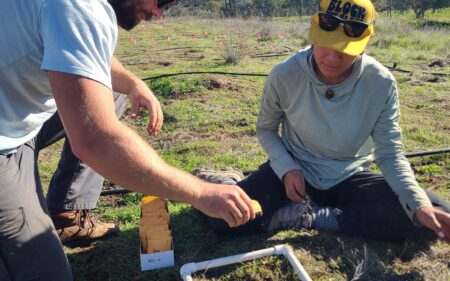
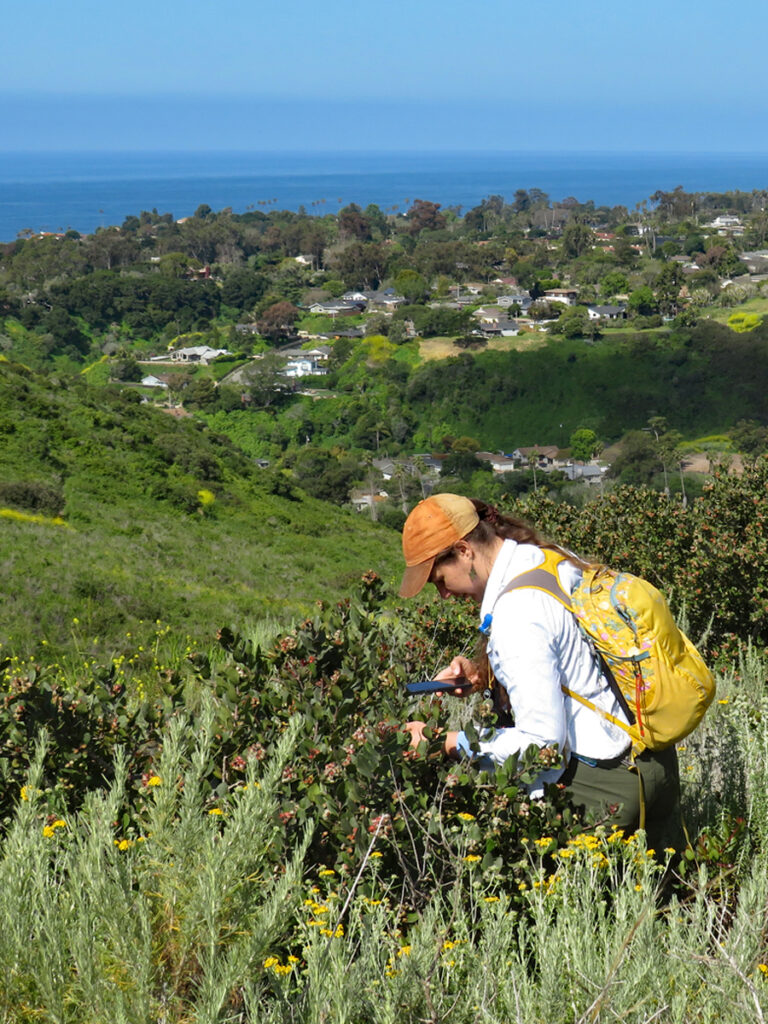
From fire-prone weeds to native plant habitat, explore the 1-acre plot atop the Elings Park Bluffs.
Figueroa Mountains
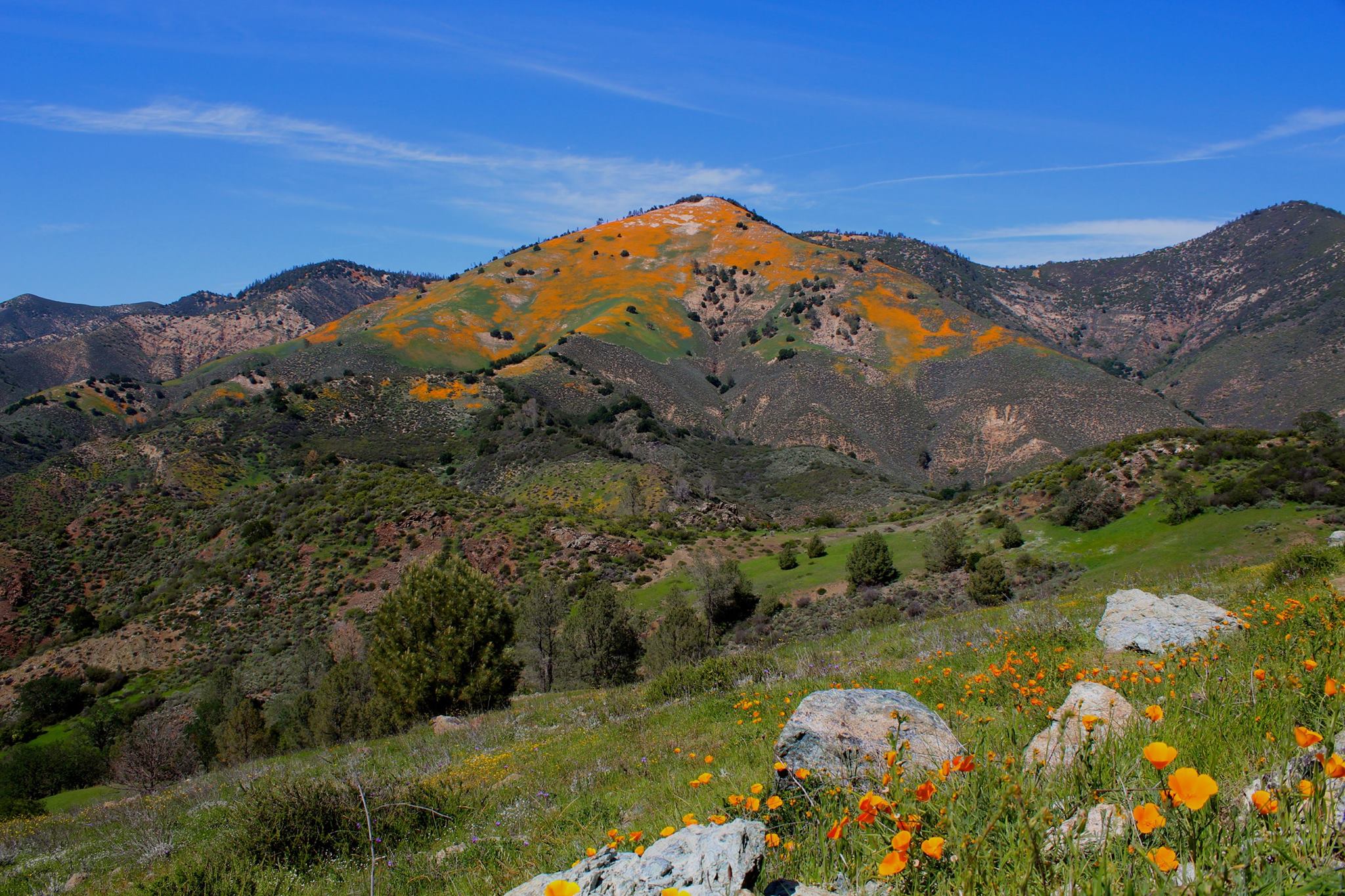
Just an hours drive from Santa Barbara, catching California’s wildflowers in bloom at Figueroa Mountains never disappoints. (Photo: Scot Pipkin)
Santa Rosa Island
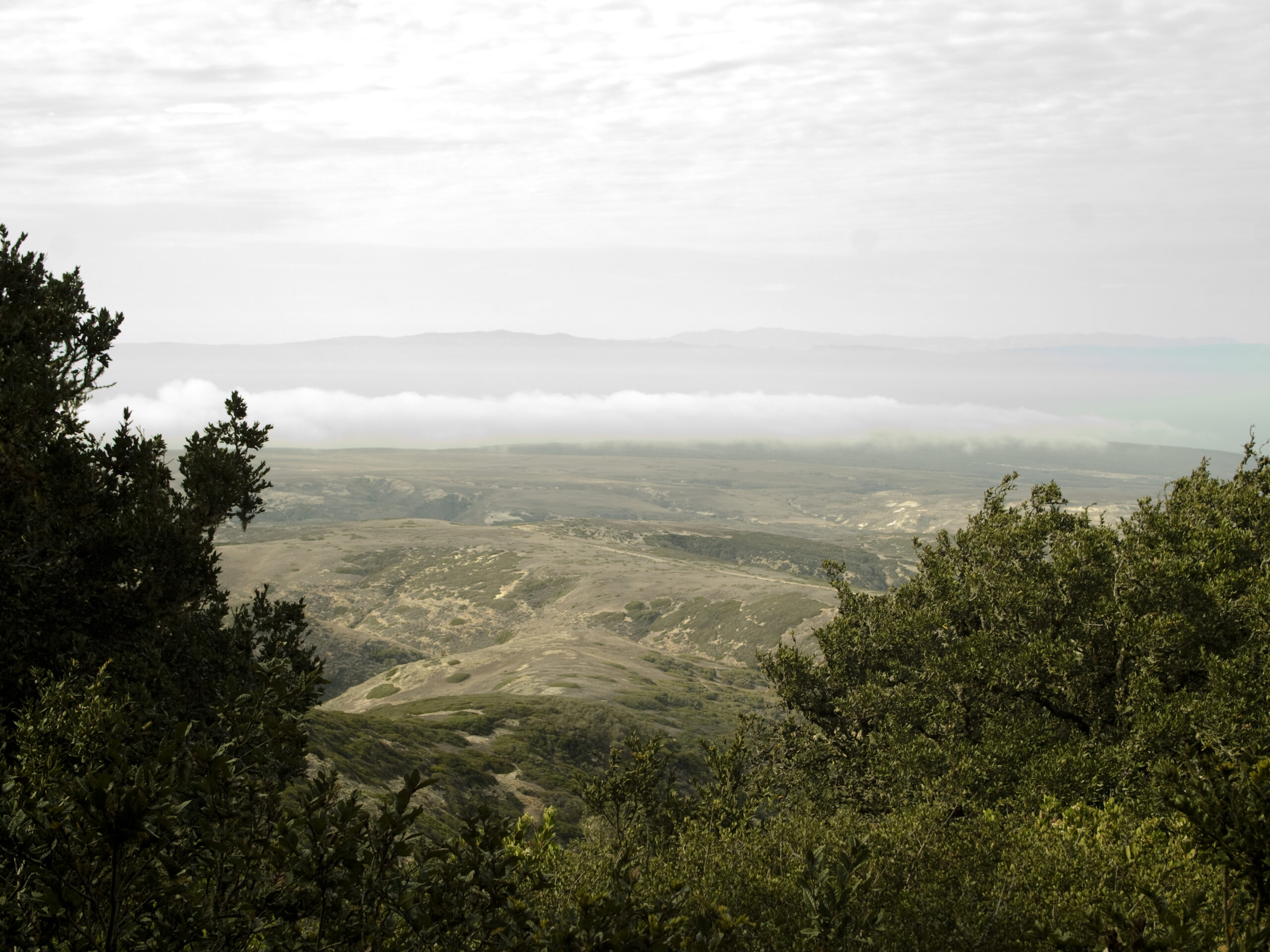
The highest peak on the northeast side of Santa Rosa, the Black Mountain meanders through oak woodlands and offers stunning views of Channel Islands National Park (Photo: Scot Pipkin)
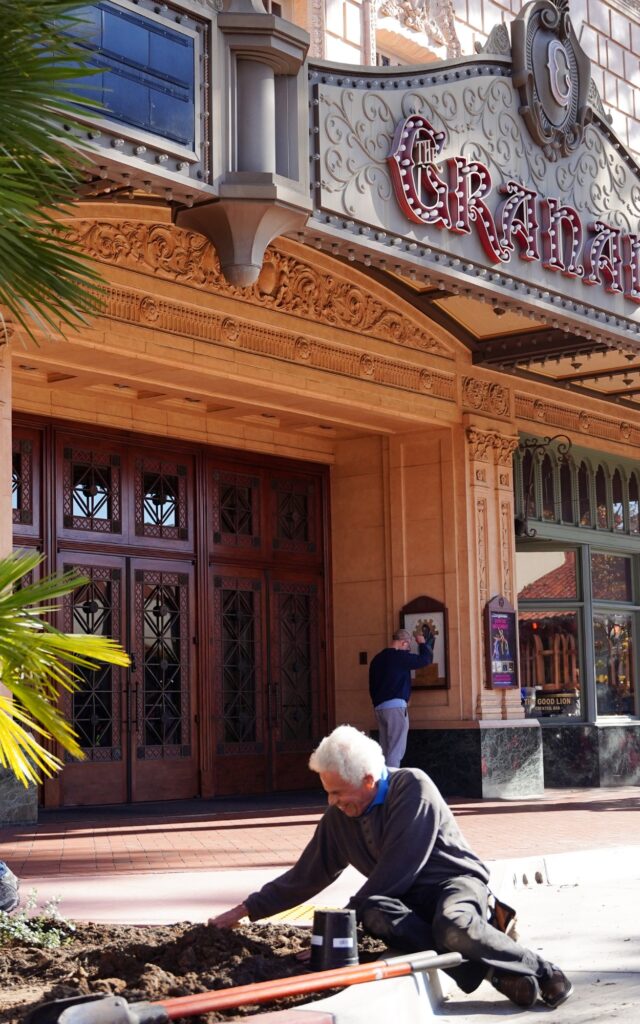
1200 Block of State Street
With help from Friends of State Street, the City of Santa Barbara, and a team of volunteers, this block of State Street was transformed with native plants offers beauty and benefits for people and wildlife.
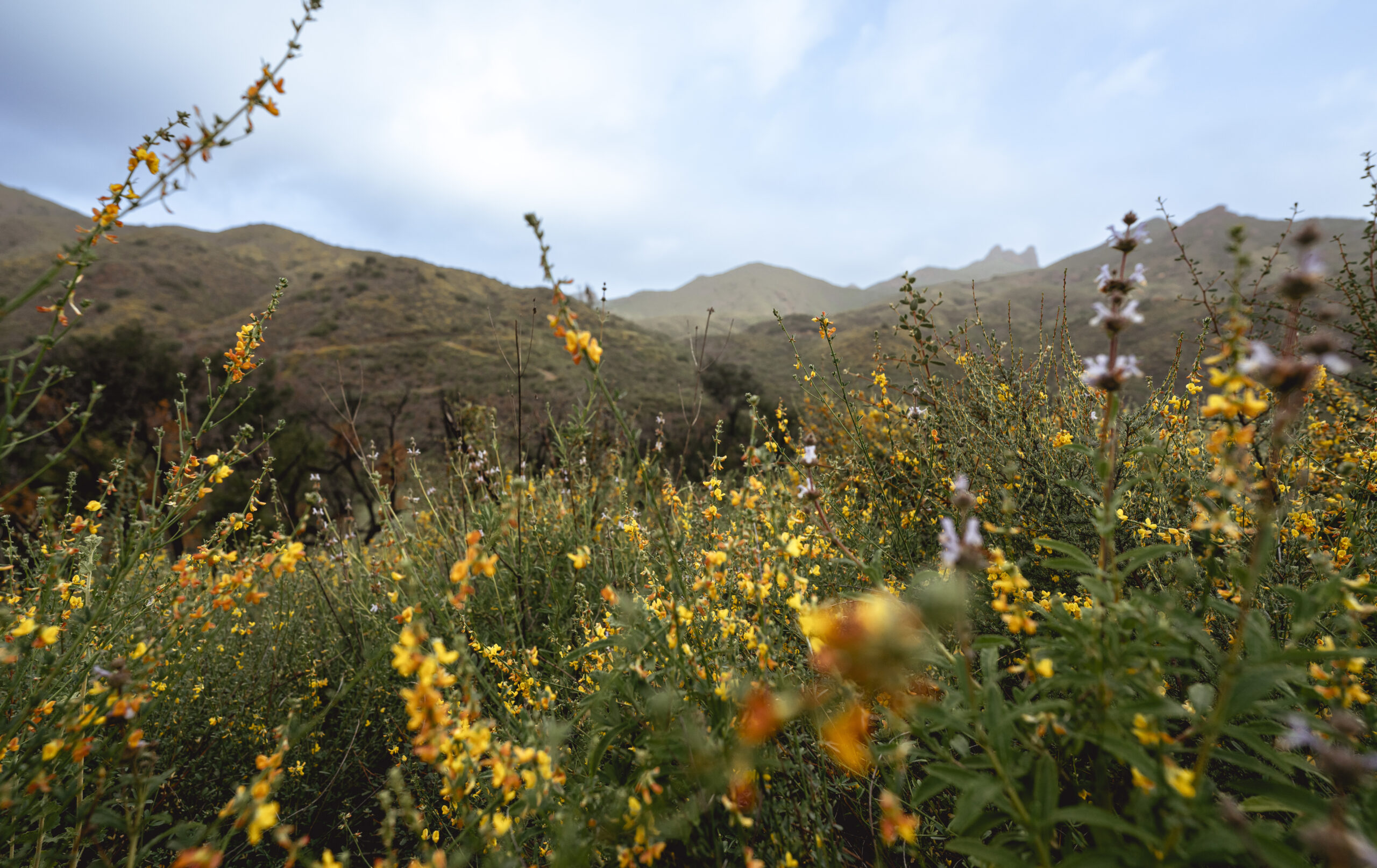
Santa Monica Mountains
In LA-county, a stroll through on the sandy trails through Zuma Canyon take you by creeks and through shady woodlands, and open spaces with lots of native vegetation.
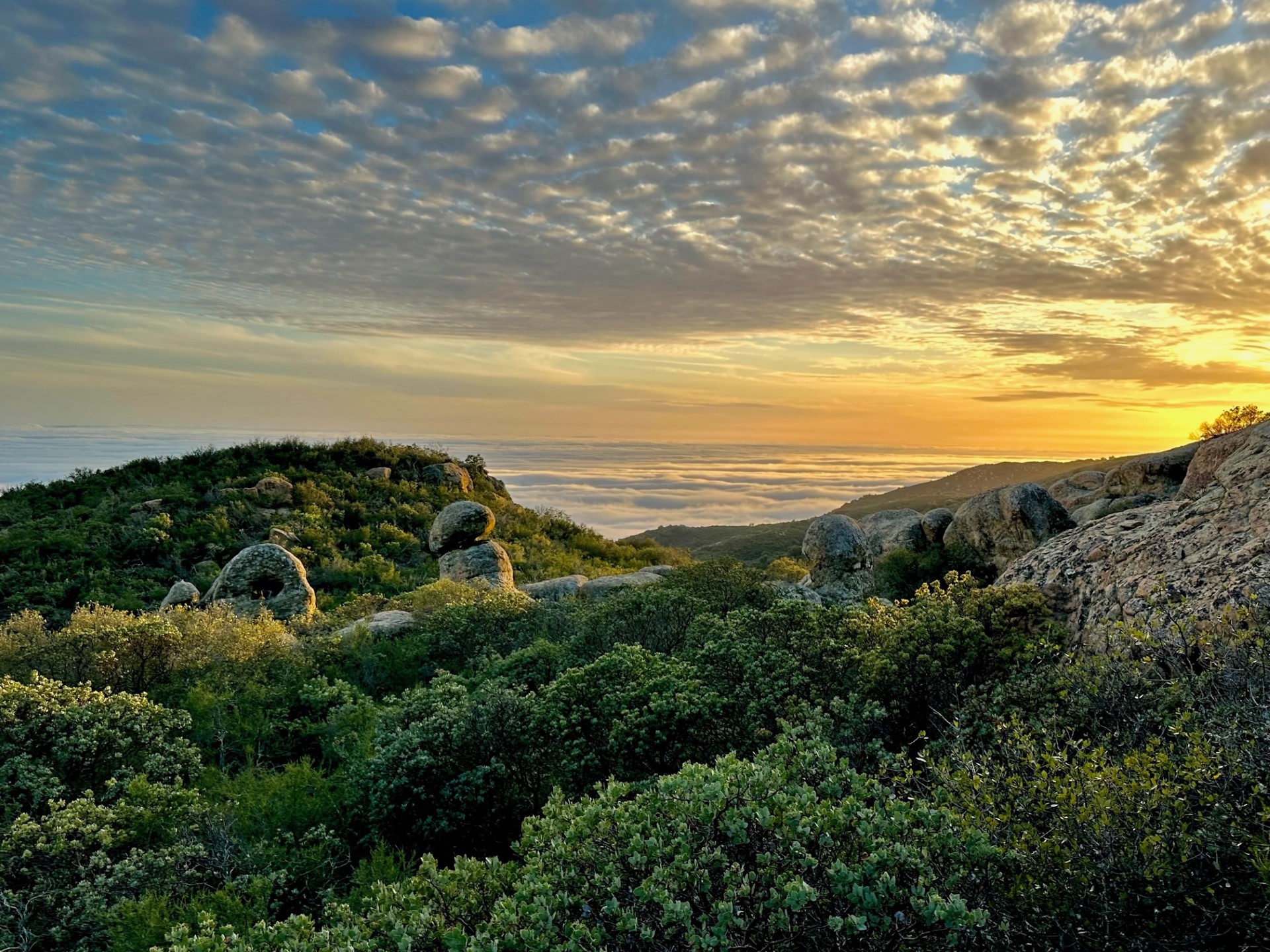
Los Padres National Forest
Spanning nearly 2 million acres, the Los Padres National Forest is home to more at-risk plant and animal species (468 species of wildlife, 1,200+ plants) than any other California national forest. (Photo: Scot Pipkin)
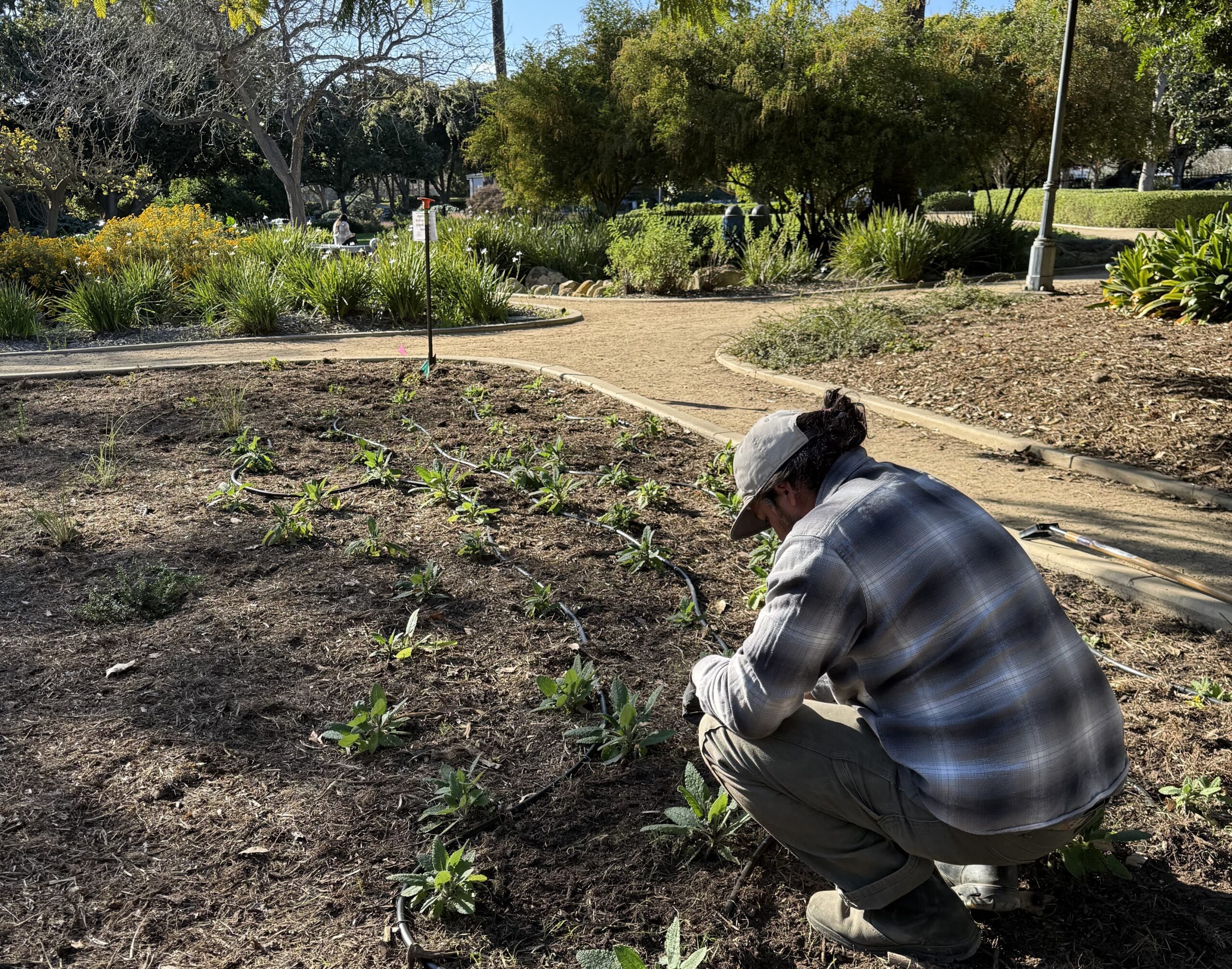
Alice Keck Memorial Gardens
Proving native plants can be both beautiful and beneficial, more than 2,000 native plants have taken over one display area at this beloved park in the heart of Santa Barbara.
If you’re looking for more inspiration and want to continue learning about native plants, follow us on one of our social channels (or all of them!), attend an upcoming Garden event, and/or visit SBBotanicGarden.org to read more about ongoing native plant conservation efforts to restore habitat throughout the central coast and beyond.
Develop a Practice
Nature’s stories are unfolding all around us. From birds eating a certain berry to the variety of insects on a gumweed flower (Grindelia spp.), there are always amazing interactions and seasonal changes taking place in our midst. Try making a habit of noticing the stories of nature unfolding around you and then reinforce your practice by recording your observations. This can be through making lists of your observations, sketching, photography, or other forms of field note taking. Over time, consistent observations become useful data points that continue to help scientists decode the relationships between native plants, biodiversity, and healthy communities.
Tools like iNaturalist and eBird are great ways to record nature observations using your phone. You can get started by joining us for a Garden-led class using iNaturalist or one of our monthly bird walks where we often use eBird. The Garden’s calendar is always getting updated with new opportunities, so be sure to check often.
Set a Weekly Goal To Connect
Start by setting aside 10 minutes every week to spend time in a relatively quiet native plant habitat. A hike on one of our many trails across the region, a morning walk at the Garden (dogs are always welcome and members’ hour is extra quiet), or even a stroll around a patch of native plants in your neighborhood are all great options. For more analog naturalists, nature journaling and sketching are great ways to build upon your nature observation practice.
Step 2: Explore the Science Driving — Native Plant Conservation
Native plants are the foundation of healthy ecosystems, supporting biodiversity, stabilizing soils, conserving water, and helping landscapes adapt to a changing climate. At the Garden, conserving these plants begins with science, and our work is guided by a thoughtful, layered approach that turns knowledge into action. Our work ranges from front yards to remote locales, saving some of California’s rarest plants. We approach each project with curiosity and a desire to promote biodiversity and healthy ecosystems. Our observations lead to actionable best practices for landowners, land managers, and habitat stewards across the central coast of California — and beyond.
In many cases, research is lacking regarding which species, maintenance practices, and irrigation schedules best promote habitat and resilience. Fortunately, we have 100 years of experience and expertise informing our recommendations. You can read more about the Garden’s conservation programs, but here are a few of the ways we continue to grow biodiversity.


- Follow the landscape transformations underway at Elings Park, at Alice Keck Park Memorial Gardens, and in Cuyama valley. Through these projects we’re showcasing how science, restoration, and community action work together to remove invasive plants, support agriculture, build climate resilience, and support biodiversity across California.
- The Garden’s climate-forward planting experiment at Elings Park is testing Southern California native plants in new conditions to see which thrive, support pollinators, and could help guide future resilient, biodiversity-focused gardens. Watch our four-part mini-series to learn more about our exciting work at Elings.
- Learn how the Garden is using coast live oaks (Quercus agrifolia) as a living fuelbreak to reduce wildfire risk, demonstrating that native oaks can provide safety, biodiversity, and long-term ecological benefits.
- Discover how the Garden is researching Hoover’s bentgrass (Agrostis hooveri) as a California native lawn alternative — testing its growth, resilience, and suitability for home landscapes to promote water-wise, biodiverse, and sustainable lawns.
- Review a list of publications from Garden staff. From peer-reviewed journal articles to international conservation status reports, our Conservation and Research Department is working to document and protect some of California’s most precious plants and their habitats.
This is just a small sample of articles featuring the Garden’s conservation work. To explore further and learn more, be sure to subscribe to our mailing list and bookmark our Insights page here.
Attend the Annual Conservation Symposium (in-person or via livestream)
The annual Santa Barbara Botanic Garden Conservation Symposium, presented by the Nakashima-Rennie Family, is a dynamic event for anyone passionate about protecting California’s native plants and ecosystems. Each year, the Symposium explores engaging themes, from plant conservation and habitat restoration to pollinator health and climate resilience. You can attend in person, watch live, or catch recorded sessions on YouTube, making it easy to learn from leading scientists and conservationists while connecting with a community dedicated to sustaining biodiversity.
Each year, we select an Honorable John C. Pritzlaff Conservation Award recipient, recognizing achievements in conservation both in California and around the world. Past recipients include Doug Tallamy, Ph.D. (2026); Peggy Olwell (2025); Shirley C. Tucker, Ph.D. (2024); Kate Faulkner, Peter Schuyler, and Grupo de Ecología y Conservación de Islas (2023); and more. Click here to see a full list of recipients and get to know them better.
Step 3: Ready, Set, Grow
Once you understand the power of native plants, the next step is putting that knowledge into action. Native plants bring beauty, biodiversity, and resilience back into everyday places, from front yards and balconies to school campuses and shared community spaces. No space is too small to make a difference.
Native plants create the ecological framework that wildlife depends on. Even a handful of well-chosen plants can provide food, shelter, and connection. The transformation underway at Elings Park shows how native plants can restore landscapes that were once dominated by invasive species and how intentional choices can lead to lasting change.
Are you ready to get started? The following section highlights some of the fundamentals to gardening with native plants.
From Curiosity to Action: Planning Your Space
Inviting native plants into your life does not require a traditional garden. Start by identifying where planting is possible. This might be a neglected corner of your yard, a section of lawn you are ready to replace, a single pot on a porch or balcony, or an underused space at work, school, or a place of worship.
Once you identify a space, take note of your site conditions. Notice how sunlight moves throughout the day, where wind is strongest, and how water drains after rain. These simple observations will guide plant selection and help ensure your garden is well matched to its conditions.
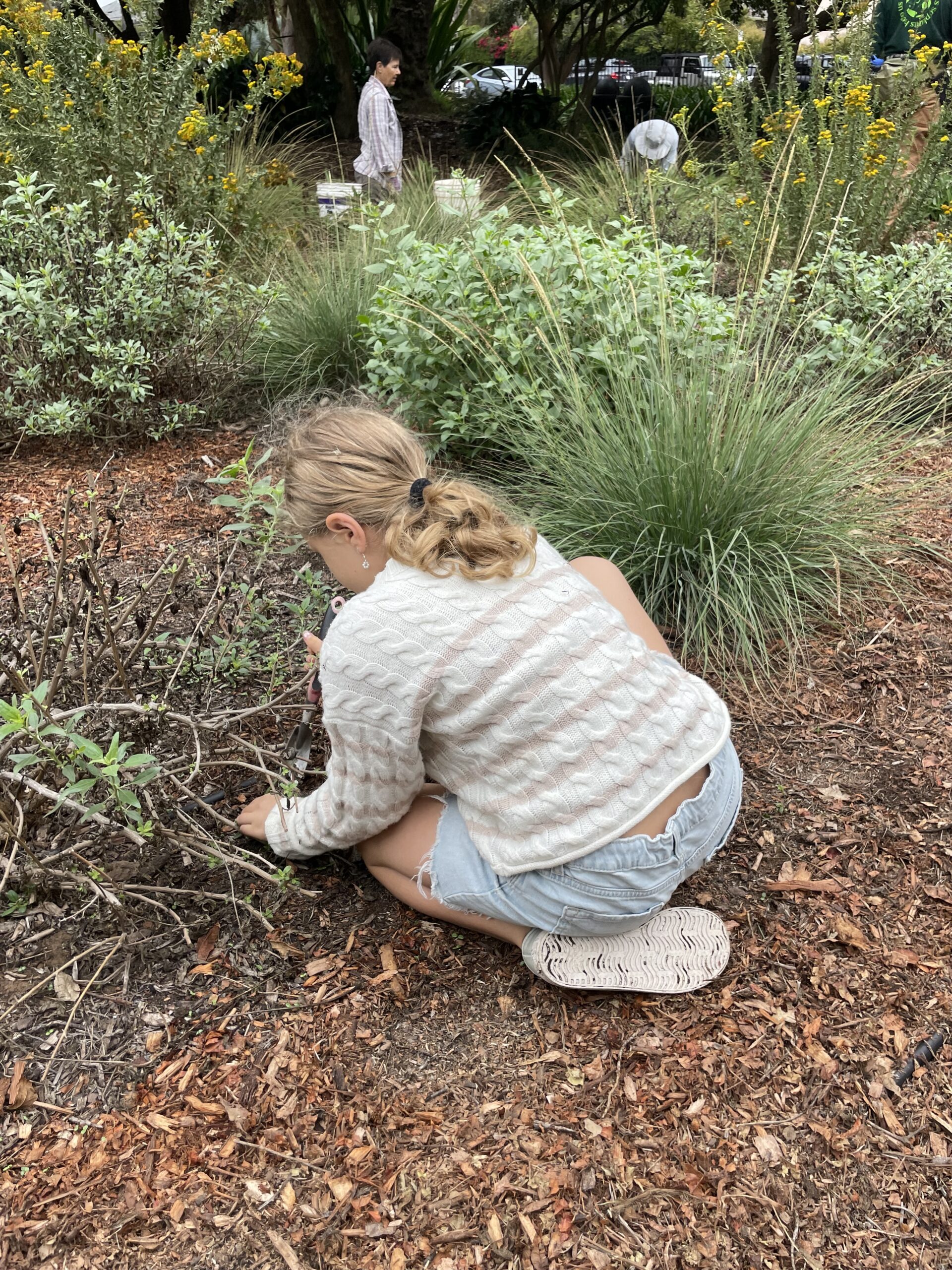
Equally important is thinking about care. Ask who will be responsible for maintaining the garden once it is planted. Whether it is you, a group of volunteers, or a hired professional, maintenance capacity plays a major role in long-term success. Planning with care in mind allows your garden to thrive, not just survive.
Once you know where you can grow some native plants and identify who will be responsible for maintenance, you’ll want to Establish Your Garden Goals. If you’re doing more than just a few containers, remember our 3 TIps for Mastering Garden Design and start thinking about what it takes to create a year-round thriving garden.
Gardening in Rhythm with California’s Seasons
California’s native plants follow a seasonal rhythm that is different from much of the country. Working with this cycle helps gardens establish more easily and reduces the need for excess water and intervention. To get into the rhythm of gardening in California, consider these annual cycles:
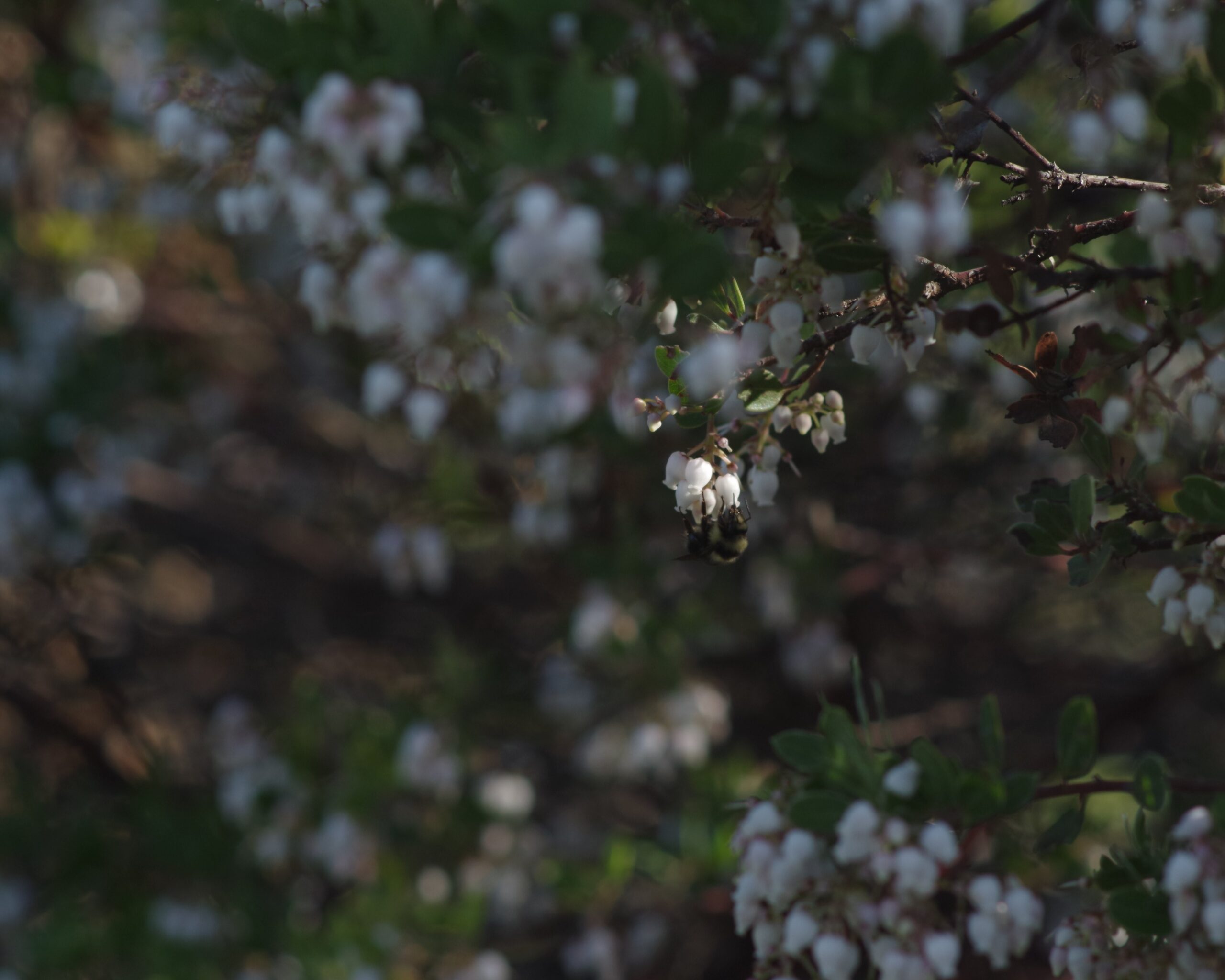
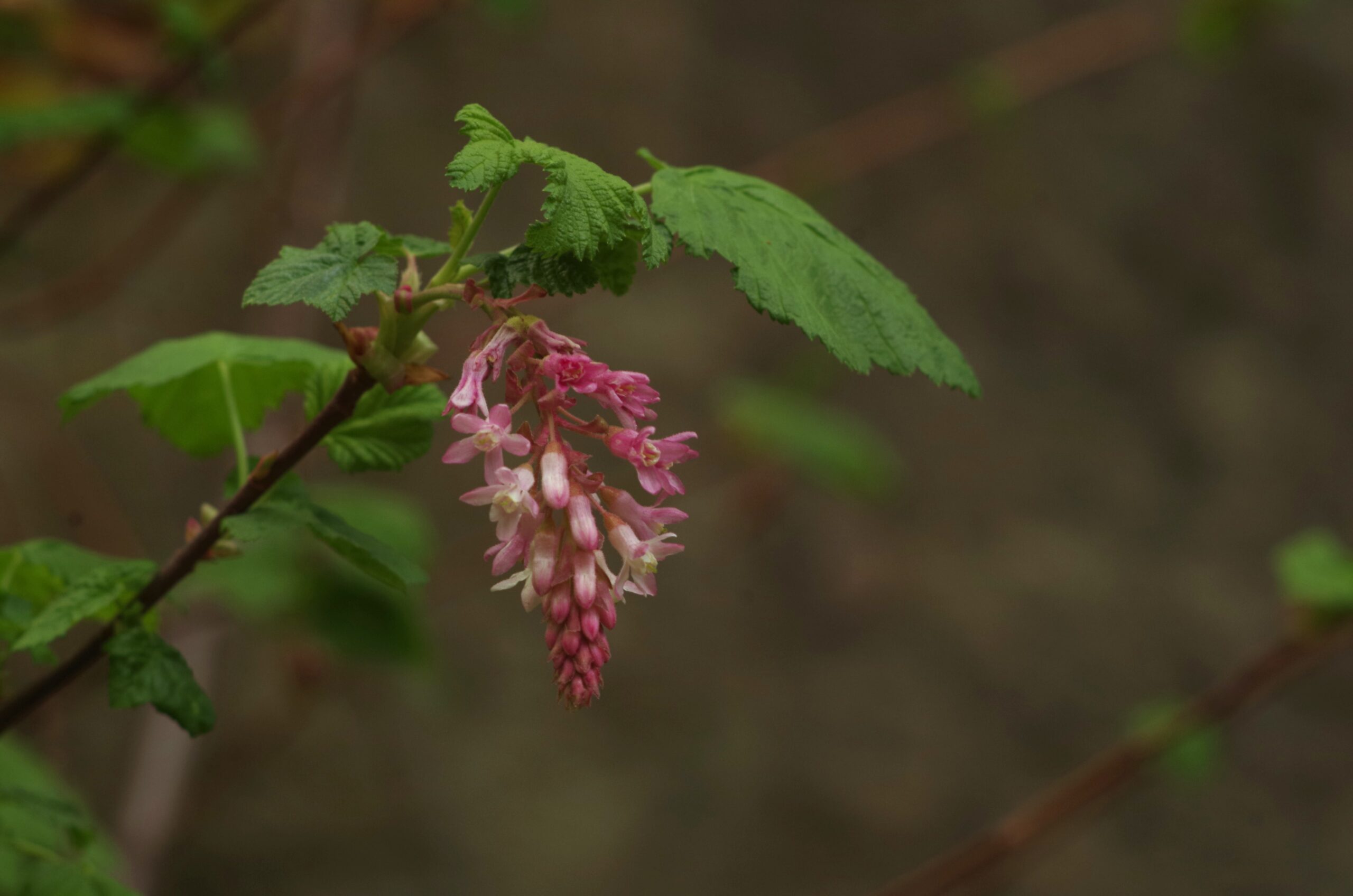
Currants and gooseberries (Ribes spp.) have showy flowers early in the calendar year.
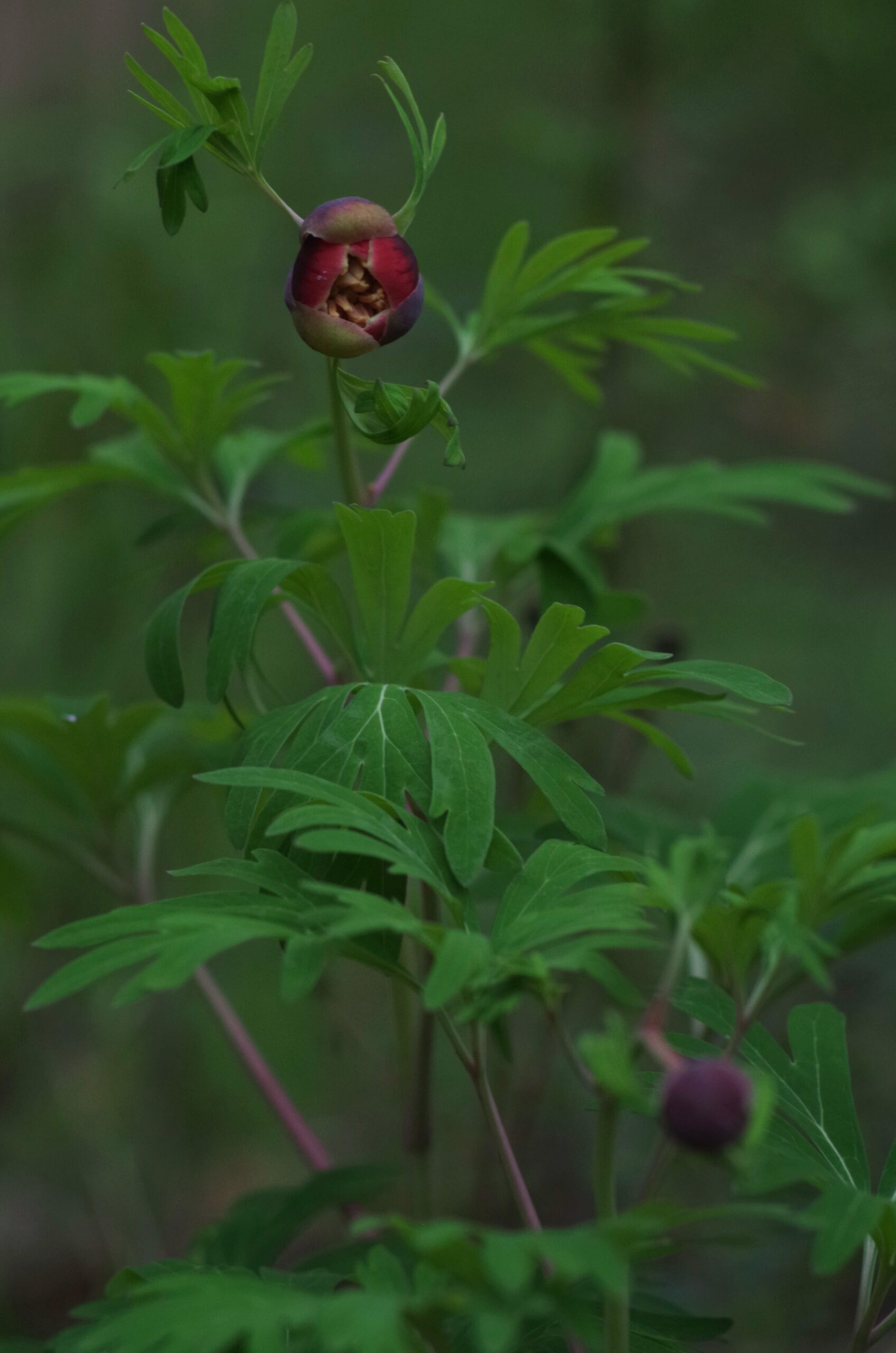
Though somewhat rare in gardens, California peony (Paeonia californica) often blooms in late winter along the California coast from San Diego to Monterey County.
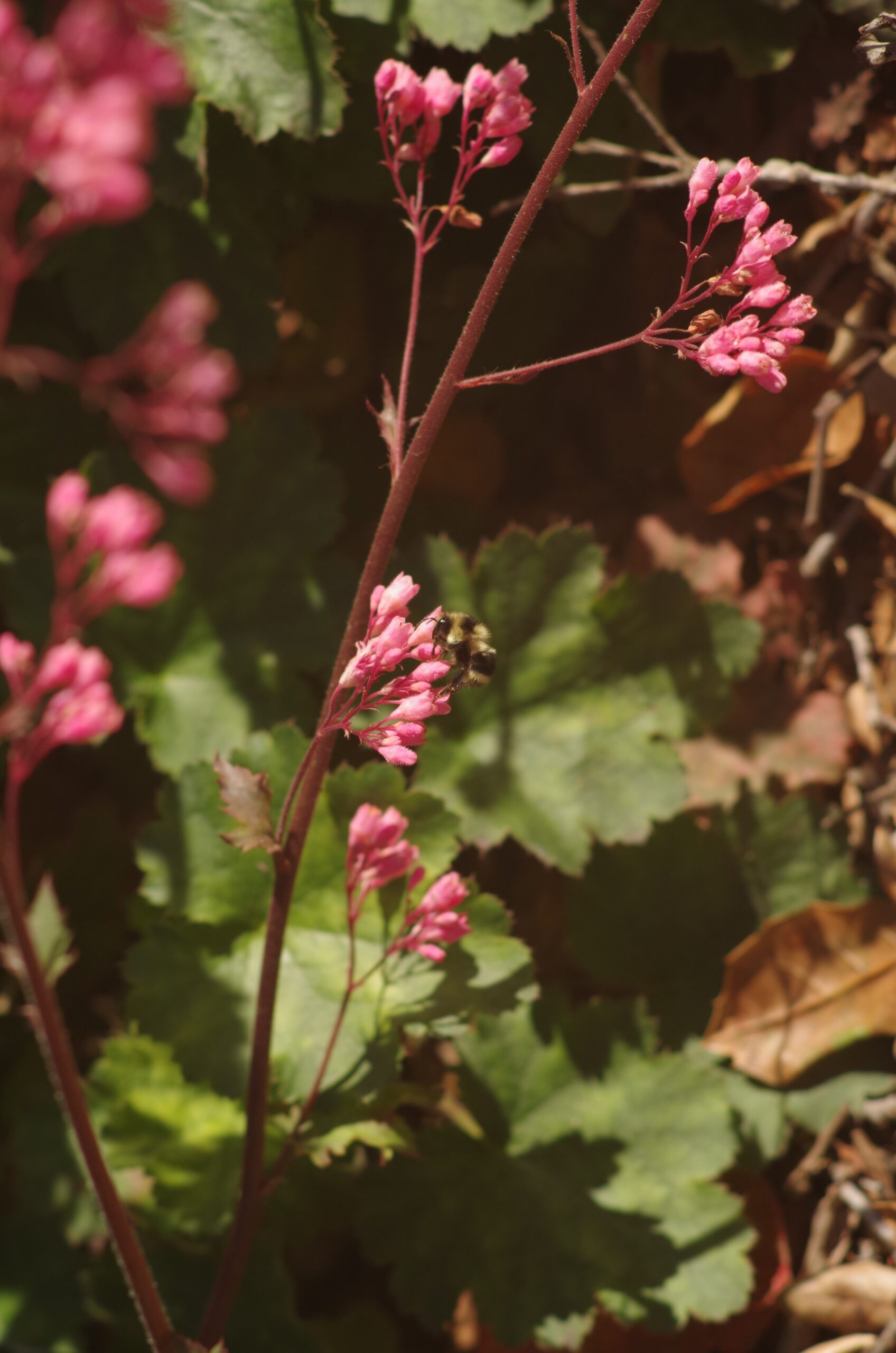
Coral Bells (Heuchera spp.) flowers can start as early February and last through April.
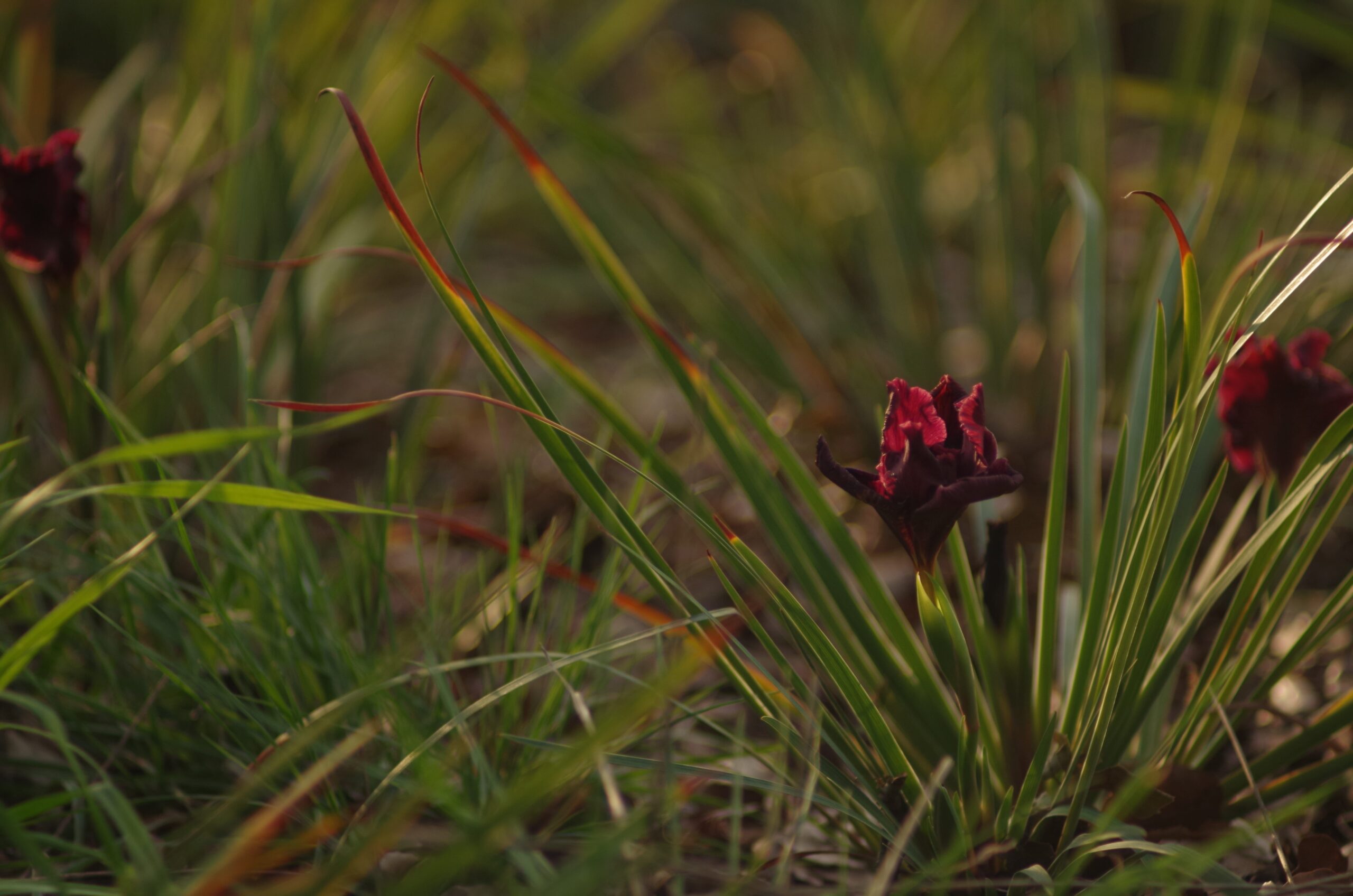
Irises (Iris spp.) like this ‘Chocolate Candy’ can be in full bloom in February.
Depending on rainfall, manzanitas (Arctostaphylos spp.) bloom as early as late November.
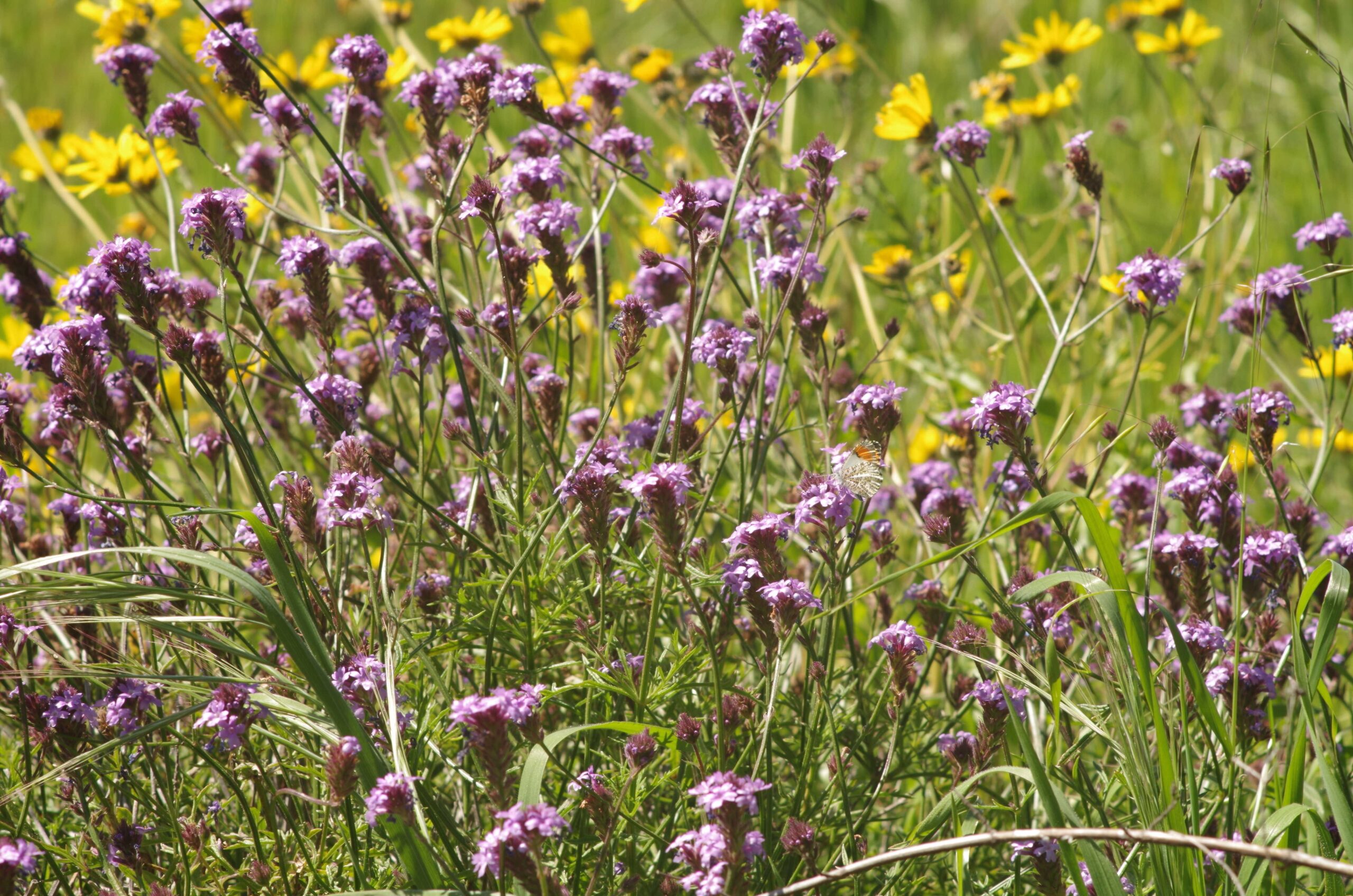
April is a great time for providing nectar in your garden. Plants like this lilac verbena (Verbena lilacina ‘De La Mina’) help adult butterflies stay alive so they can reproduce.
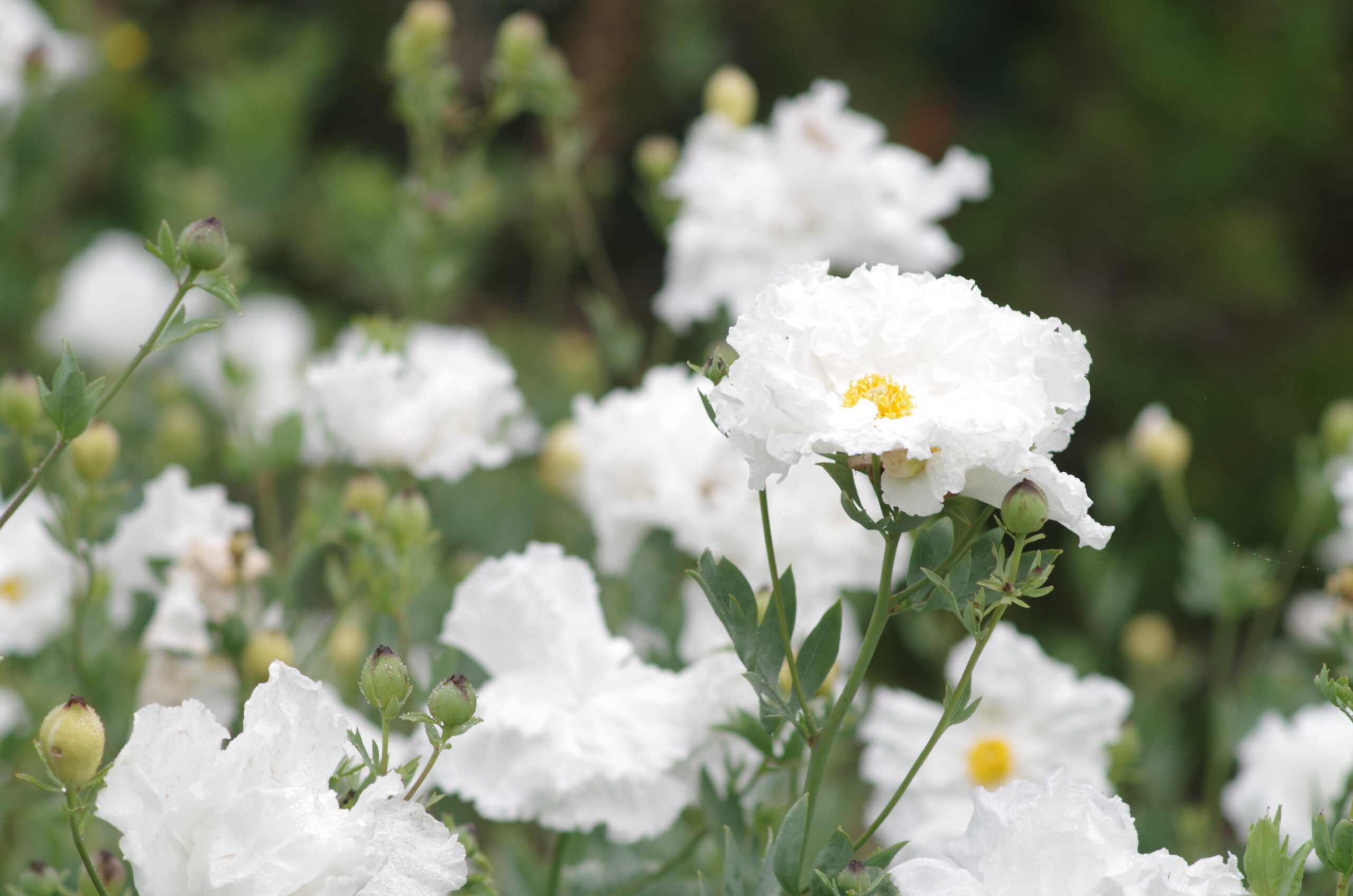
Matilija poppy (Romneya coulteri) is one of California’s latest-blooming wildflowers. It is also the largest flower in our native flora.
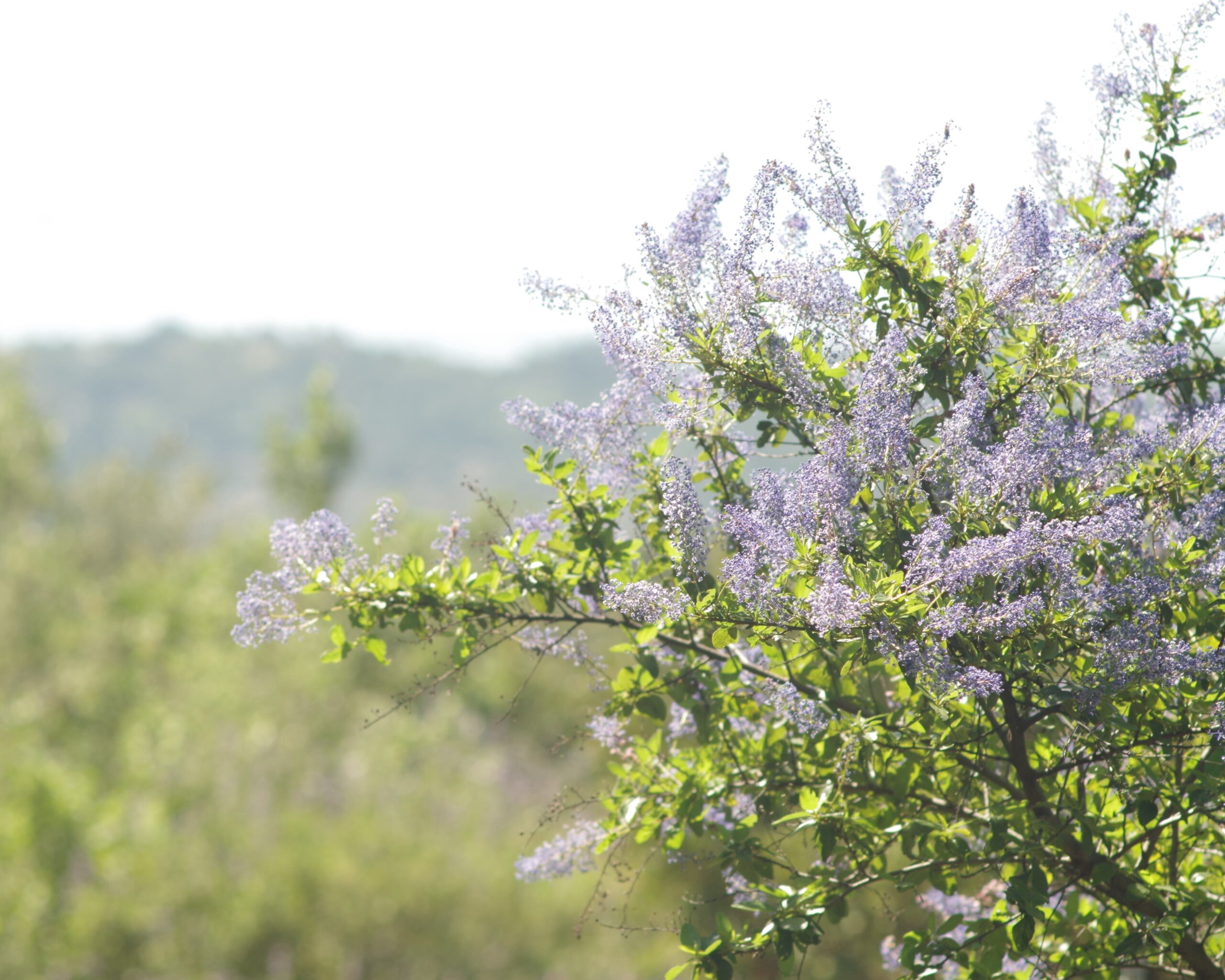
By spring, a variety of ceanothus (Ceanothus spp.) are blooming.
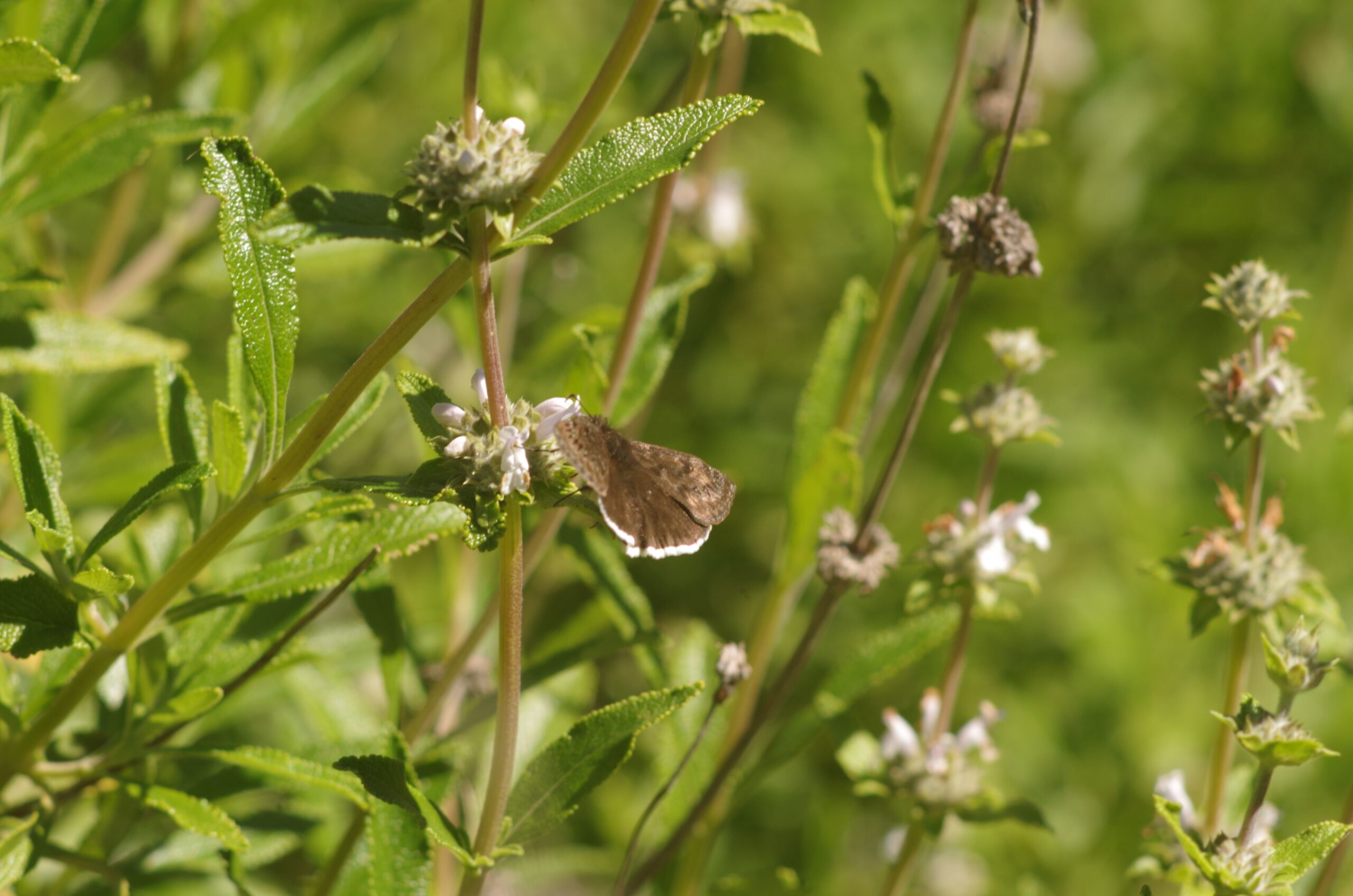
March is a month of sages (Salvia spp.), boasting colors ranging from magenta, to blue, to white.
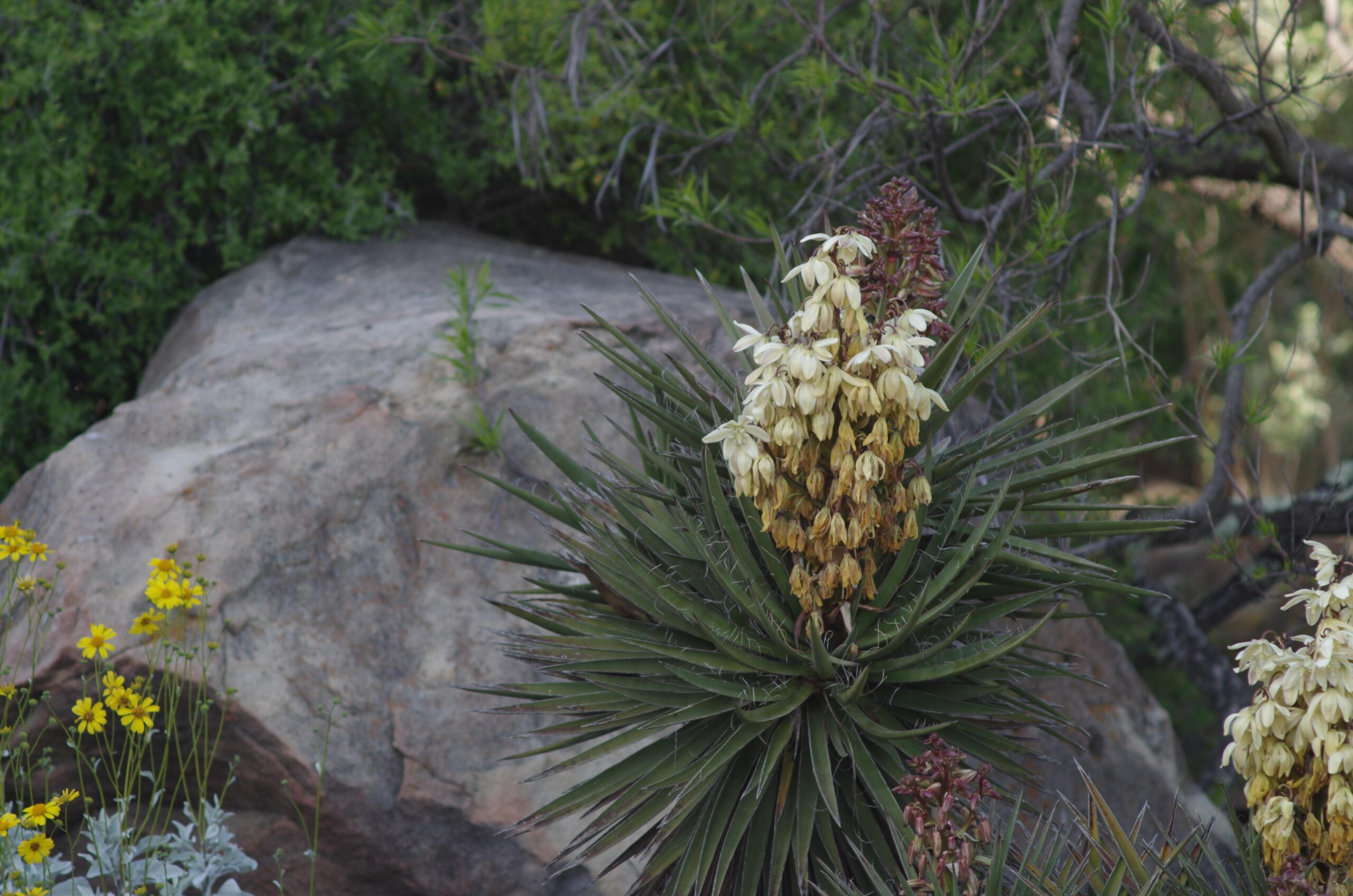
Mojave yucca (Yucca schidigera) blooms only in springtime, while brittlebush (Encelia farinosa) blooms readily after rain.
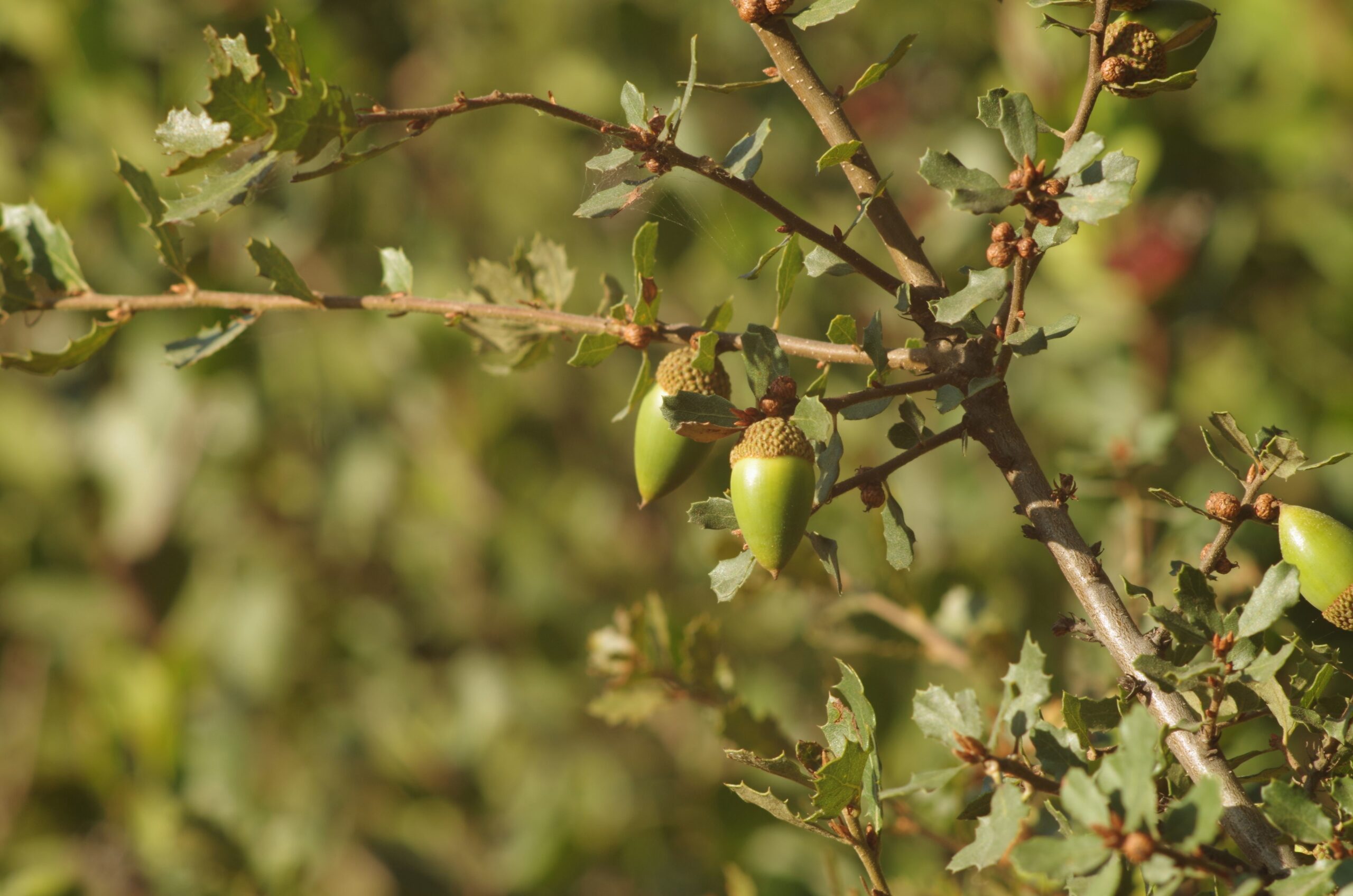
By fall, acorns adorn oak trees and scrub oaks (Quercus spp.) across the state.
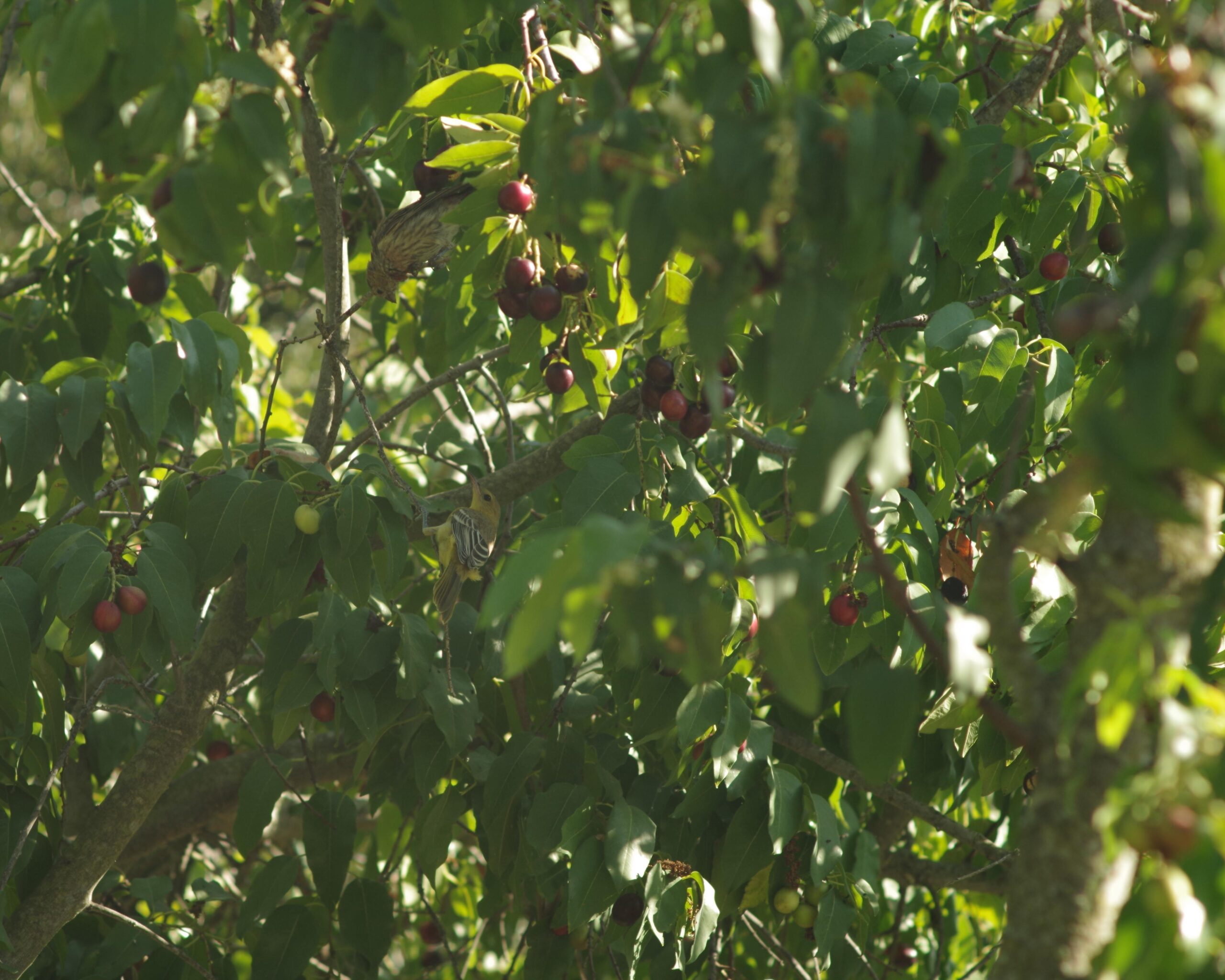
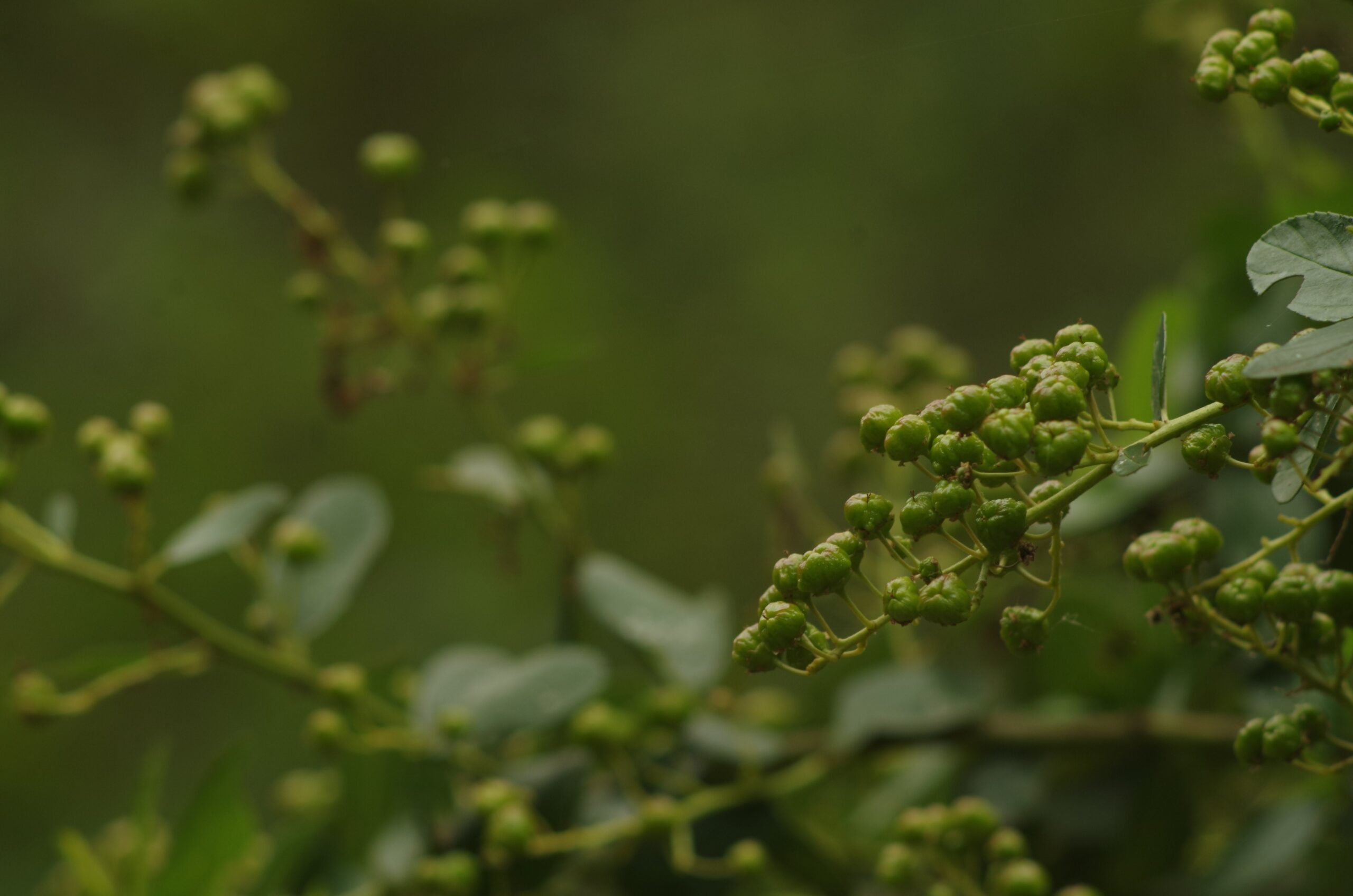
By midsummer, fruiting plants like this Catalina cherry (Prunus ilicifolia ssp. lyonii) provide essential food for breeding birds, including migratory birds such as hooded oriole and resident birds like house finch.
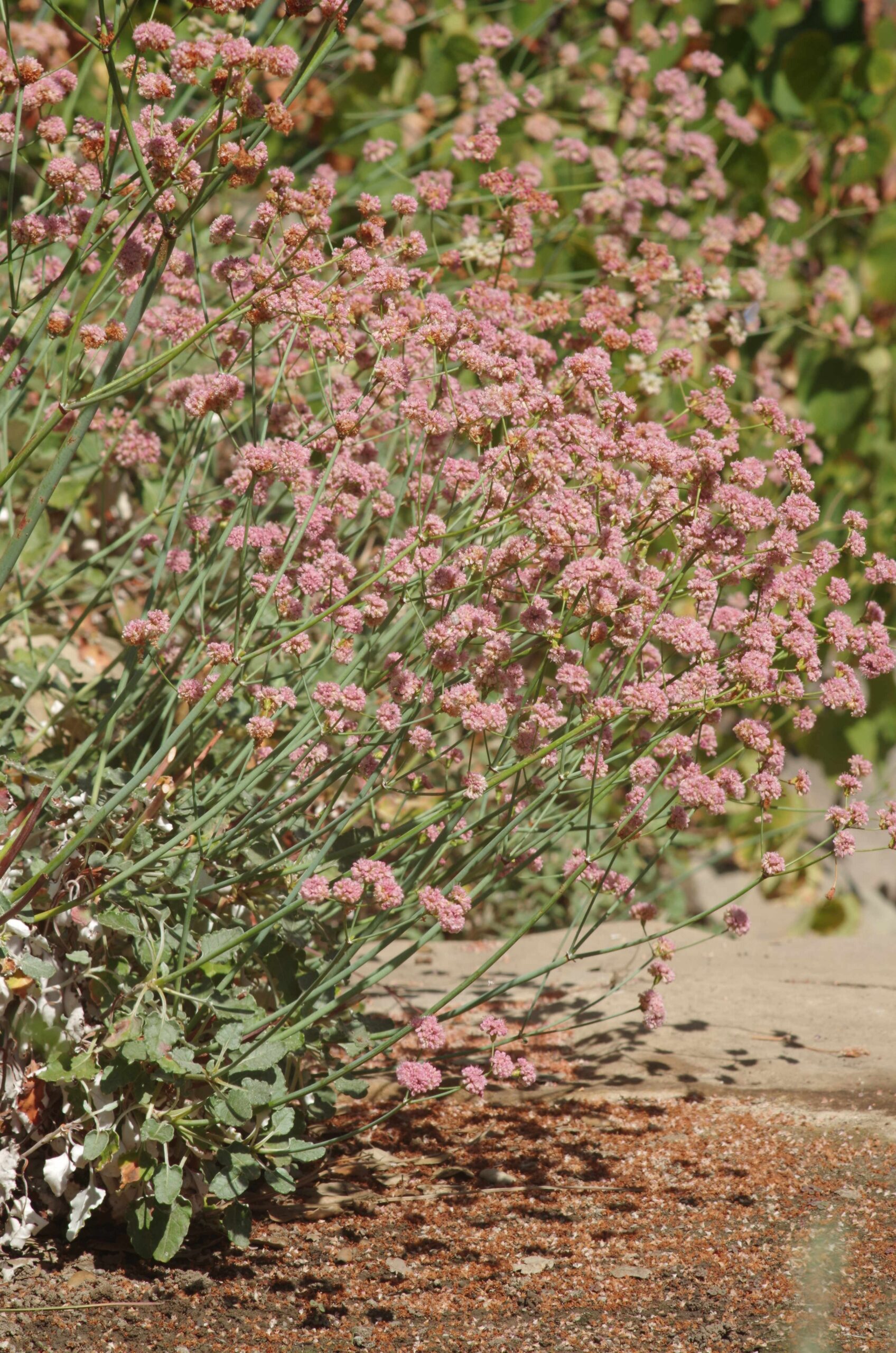
Buckwheats (Eriogonum spp.) shine in late summer, providing nectar for a wide variety of pollinators and beneficial insects.
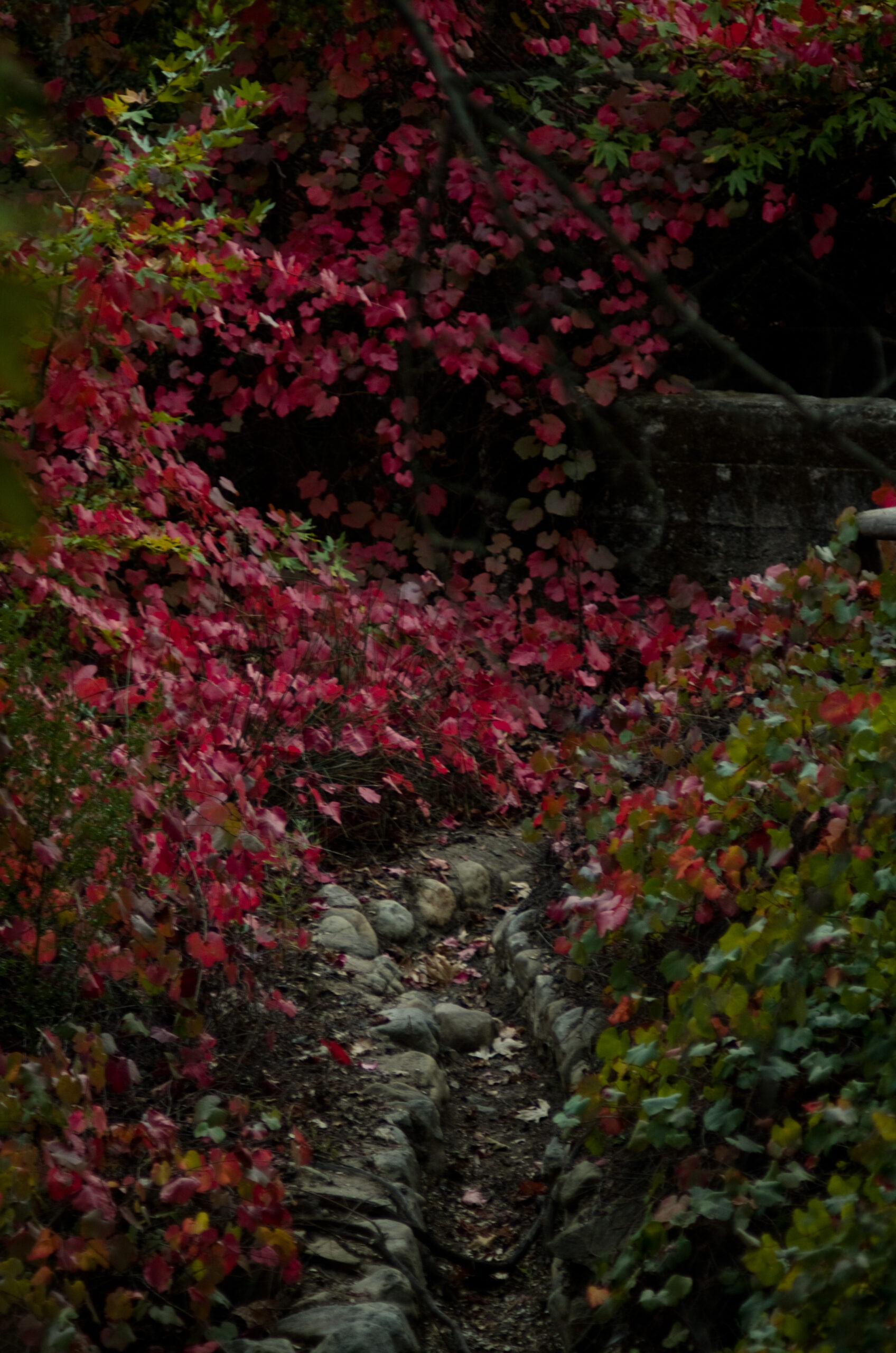
Some say that California has no fall color. Roger’s red grape (Vitis ‘Roger’s Red’) begs to differ.
- November to February: Planting typically begins in late fall and continues through winter, when cooler temperatures and seasonal rains support strong root growth. Early blooms from plants like manzanitas (Arctostaphylos spp.) often appear during this time.
- March to June: Spring brings the most visible burst of color, as annuals and perennials flower. Poppies (Family Papaveraceae), California lilacs (Ceanothus spp.) and sages (Salvia spp.) are especially active, supporting a wide range of pollinators.
- July to October: By summer and early fall, many native plants enter a period of dormancy. While the landscape may look quieter, species such as buckwheats (Eriogonum spp.), California fuschia (Epilobium canum), and goldenrod (Solidago spp.) continue to provide essential resources for insects and wildlife.
As you plan, think beyond individual plants and consider three-dimensional structure. A layered garden with open areas, groundcovers, shrubs, and canopies creates habitat for birds, butterflies, and other wildlife throughout their life cycles.
Choosing Your Plants: Selecting Habitat Heroes
If you’re looking for plants to add to your neighborhood that will make a big impact, here are five easy-to-find, easy-to-grow, bona fide habitat heroes:
- California bush sunflower (Encelia californica)
- Deer grass (Muhlenbergia rigens)
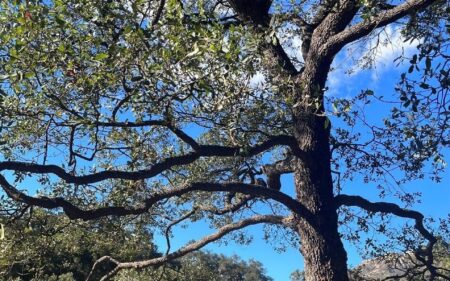
- Coast live oak (Quercus agrifolia)
- Toyon (Heteromeles arbutifolia)
- Lemonade berry (Rhus integrifolia)
Here are a few more that are seen in yards, commercial landscapes, and school campuses:
- ‘Pigeon Point’ coyote brush (Baccharis pilularis ‘Pigeon Point’
- ‘Yankee Point’ ceanothus (Ceanothus thyrsiflorus var. griseus ‘Yankee Point’)
- ‘Canyon Gray’ California sagebrush (Artemisia californica ‘Canyon Gray’)
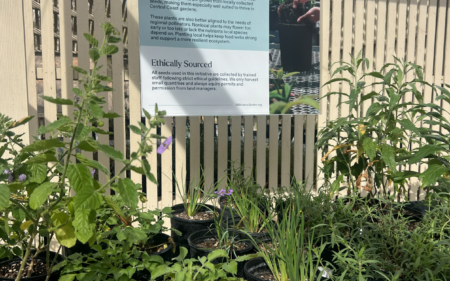
Taking your plant selection one step further, consider choosing plants that are hyperlocal to you. For instance, the Garden’s 805 Initiative grows native plants sourced from the 805 area code for home gardeners and restoration projects. Seeds are carefully collected from local plants, nurtured by our team, and sold at the the Garden’s Nursery with “805” and “Local Natives” stickers. These plants are perfectly suited for our local climate and wildlife. This makes them more than beautiful, they provide crucial food and shelter for pollinators, birds, and other wildlife and help boost biodiversity. Learn more and discover how to bring 805 plants into your own garden.
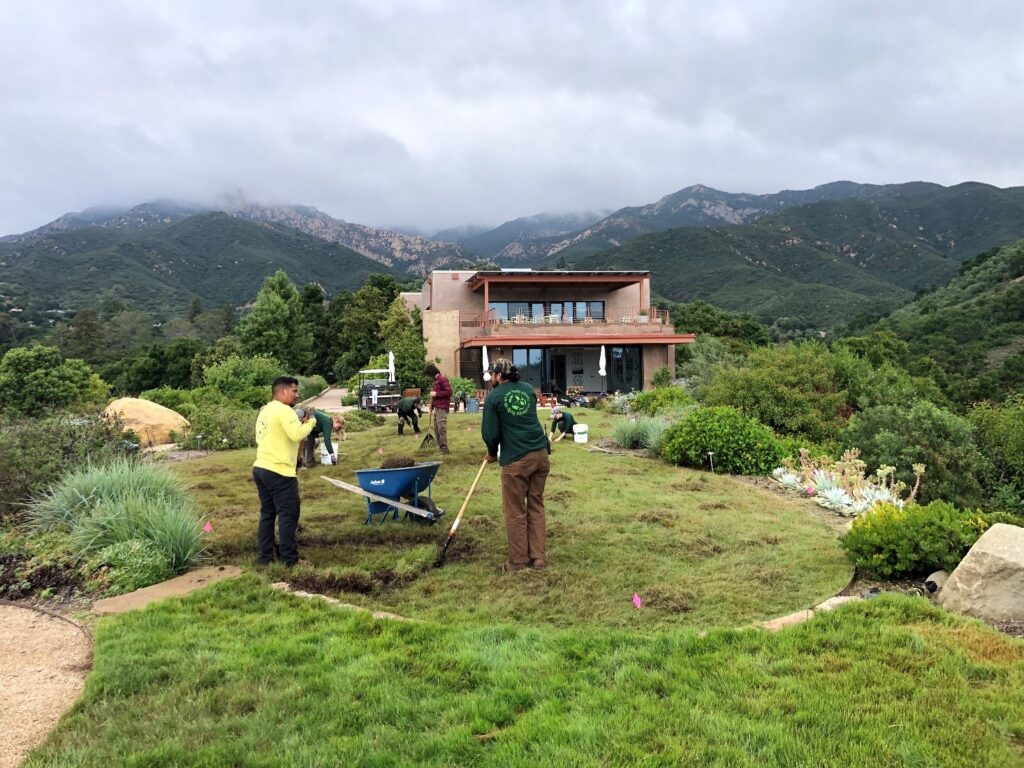
Care for What You Grow: Seasonal Maintenance
Gardening is an ongoing relationship. Establishing native plants is only the beginning, and thoughtful maintenance helps landscapes mature and thrive over time.
Home gardeners may find it helpful to take a seasonal maintenance class at the Garden. If attending in person is not possible, have a look at these video resources:
If you work with a landscaper, consider supporting their participation in the California Native Plant Landscaper Certification program. If you are seeking the services of a professional gardener, you can access our full list of CNPLC graduates who are trained in native plant care and maintenance and ready to help you!
Additional Resources to Support Your Journey
For more ideas, explore the Garden’s Waterwise Native Plant Guide, which features more than 100 climate-adapted species. Additional planning tools, such as Easy-to-Grow Native Plants, our various native plant shopping lists, and the Plant This, Not That guide can help narrow choices and build confidence. If you have more questions, you can also stop by the Garden Nursery and/or book a consultation with one of our pros.
To continue learning, the Garden’s Calendar offers opportunities ranging from beginner gardening to birdwatching and even forest bathing. Our partners at Calscape also provide robust tools to help you plan, select plants for pollinators, and understand watering and maintenance needs. Here are a few of our favorites:
- Plan your Garden with CalScape
- Find Plants for Pollinators
- Watering Native Plants
- Weed and Pest Control
Step 4: Grow Your Impact
The native plant movement grows through people like you. As you go deeper in this journey, others may notice and become curious about your newfound zest for life resulting from your relationships with plants. Sharing what you are learning helps build momentum and strengthen community connections.
Use #MyNativePlantJourney to document your progress and inspire others.

Take a moment to slow down, breathe deeply, and reconnect with nature at the Garden.
Upcoming Wellness Experiences:
🍃 Nature & Forest Therapy: Guided Nature Immersion
Step away from the noise of everyday life and into a mindful experience with nature. Guided by a certified forest therapy practitioner, this immersive walk invites you to slow down, notice the sights and sounds around you, and reconnect with the natural world through sensory observation and reflection.
Whether through movement or stillness, these experiences offer a chance to restore your mind and body while surrounded by California’s native landscapes.
April 4, 8:30 – 10:30 AM
🌿 Tai Chi at the Garden with Master Yun
Start your morning with the gentle, flowing movements of Tai Chi on the Garden’s Island View Lawn. Master Yun will guide participants through traditional postures and exercises designed to improve balance, posture, and overall well-being while cultivating internal energy and focus.
April 3, 9 –10 AM
Learn more and register: ( Link in bio )
https://bit.ly/3Xk9jwQ

Meet Alejandro Lemus, our Horticulture Educator, as he shares the beauty of White Sage (Salvia apiana). With its silvery leaves and fragrant blooms, this iconic California-native plant attracts pollinators like bees and butterflies while thriving in dry, sunny spots. Perfect for wildlife-friendly gardens and native landscaping! 🌿
The Torrey Pine Conservation Grove is now open at Santa Barbara Botanic Garden!🌲
Located next to the Pritzlaff Conservation Center in Island View Section, this new area features 40 rare torrey pines (Pinus torreyana ssp. insularis). Each tree was grown from seeds sourced on Santa Rosa Island, one of just two locations where this remarkable native species naturally occurs.
Torrey pine seeds cannot be preserved in seed banks because they are vulnerable to freezing temperatures. Living collections like this new grove are essential to preserving genetic diversity and safeguarding this threatened species for the future.
Come explore living conservation in action and see how the Garden is working to protect California’s botanical heritage one rare tree at a time.
Reservation link in bio. ( https://sbbotanicgarden.org/visit/hours-reservations/ )
In 1940, horticulturist Maunsell Van Rensselaer authored Trees of Santa Barbara, published jointly by the Garden and the City of Santa Barbara Board of Park Commissioners. Just two years later, he teamed up with Dr. Howard McMinn to co-author Ceanothus, helping introduce one of California’s most beloved native plant genera to gardeners and researchers alike.
These early publications reflect the Garden’s growing role as a trusted resource for native plant knowledge in the 1940s, extending its mission beyond the landscape and into the hands of the public.
You can find the full article in Noticias. Link in bio.
#100YearsTogether #GrowNativePlants
Just over here growing a brighter future …🌱
Join the movement. Link in bio.
Bring local wildlife home!
We’re thrilled to introduce our 805 Initiative, a local genetics nursery program featuring native plants sourced exclusively from the south and central coast region. This selection of plants thrives in our climate and supports local pollinators, birds, and wildlife – making them a great fit for your garden or habitat restoration project.
For inspiration, check out them out in the Garden’s Living Collection along the trail to the Pritzlaff Conservation Center. Then, head to our Nursery and look for the “805” and “Local Natives” stickers – you can find them year-round.
👉 Learn how to add 805 plants to your garden. ( https://bit.ly/4uwZITJ )
1. Blue Eyed Grass ( Sisyrinchium bellum) 📸: Michelle Cyr
2. Hummingbird Sage ( Salvia spathacea) 📸: Debora L.
4. California sagebrush (Artemisia californica ) 📸: John Rusk
5. Coffeeberry (Frangula californica) 📸: Liz R
Summer Camp at the Garden 🌞
Let nature lead the adventure! This summer, kids ages 5–12 can spend their days exploring California’s native habitats, playing games, making crafts, and discovering wildlife across the Garden’s 78‑acre landscape.
Registration Opens:
• March 3 for Garden Members
• March 19 for the general public — spots are limited!
👉 Learn more & register, link in bio.
Meet Alejandro Lemus, our Horticulture Educator, sharing one of his favorite native plants, the Channel Island bush poppy (Dendromecon harfordii)
With its silvery blue foliage and vibrant yellow blooms, this California-native plant adds year-round interest. Native to the Channel Islands, its flowering season is winter to spring but throughout most of the year, it can be covered in showy flowers.
Tune in to hear Alejandro’s tips on planting and caring for the Channel Island bush poppy in your own garden.
Looking for a challenge? See how quickly you can reach 35 points:
- Bring a friend to visit the Garden (+5 points)
- Share the Native Plant Pledge (+5 points)
- Spend 5 minutes observing (admiring) native plants (+2 points)
- Post a photo of your project using #MyNativePlantJourney (+5 points)
- Encourage your school, workplace, or HOA to plant natives (+7 points)
- Work with a certified native plant landscape professional (+15 points)
- Support nurseries that prioritize native species (+10 points)
- Join an online native plant community (+2 points)
SB Botanic Garden Instagram
SB Botanic Garden Facebook
Reddit Ceanothus
Facebook: California Native Plants - Join and attend a local California Native Plant Society meeting (+5 points)
Every action, big or small, helps grow healthier landscapes and stronger communities rooted in native plants. We want to hear about all the ways you are making an impact out there. It can be anything. Share your stories, photos, ideas, advice — we want to hear it all.
Introducing the 805 Initiative: Santa Barbara Botanic Garden’s Local Genetics Nursery Program


Getting Started: Small First Steps Towards Transformation in Cuyama