Donate
Defend the Roadless Rule! Comments due Oct. 6.
Santa Barbara Botanic Garden Call to Action

The United States Department of Agriculture has extended its original 30-day window for the public to submit comments on the proposed rescission of the popular 2001 Roadless Area Conservation Rule (ie., Roadless Rule). Santa Barbara Botanic Garden strongly opposes this proposed rule change and encourages everybody to submit their own comments in support of local ecosystems and biodiversity.
Click HERE to submit your comments today.
Background
The Roadless Rule, covering 44 million acres of national forest land across the country (4.4 million in California alone), was adopted in 2001 and continues to be wildly popular. It prohibits new permanent road construction and the most intensive forms of commercial logging within certain U.S. Forest Service lands, particularly Inventoried Roadless Areas within the National Forest System. The Roadless Rule safeguards ecosystem health, protects watersheds and water quality, and provides countless backcountry recreational opportunities – not to mention allowing nature to simply ‘be.’
Adoption of the Roadless Rule was supported by a wide cross-section of Americans when it was approved 25 years ago. A record number of public comments (1.6 million) were submitted in the lead-up to the Rule’s adoption, and of those comments, 95% spoke in favor of new restrictions on roads. 600 public hearings were held on the matter across the country. And across party lines, there was strong support for roadless rule protections, with 87% of Democrats, 77% of Independents, and 65% of Republicans all in favor. Strong support remains today.
Our Stake
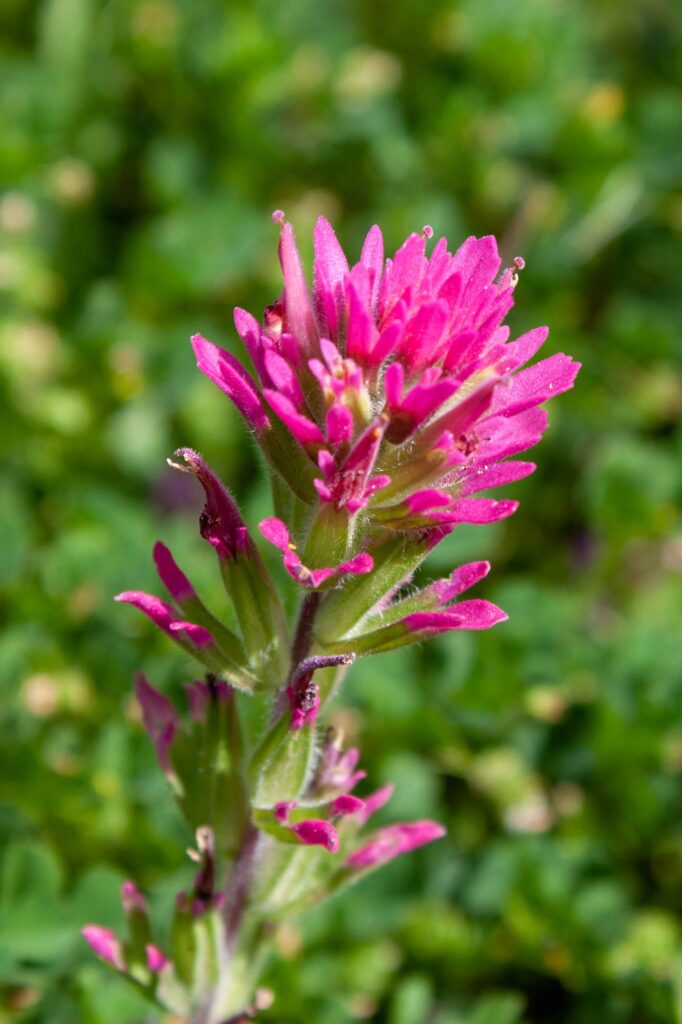
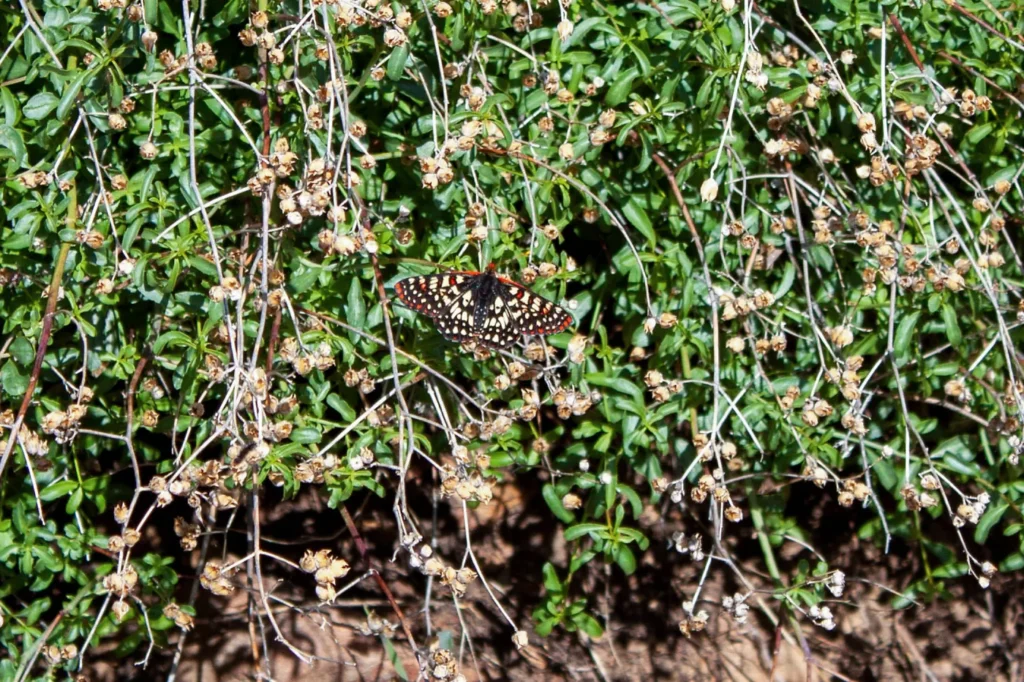
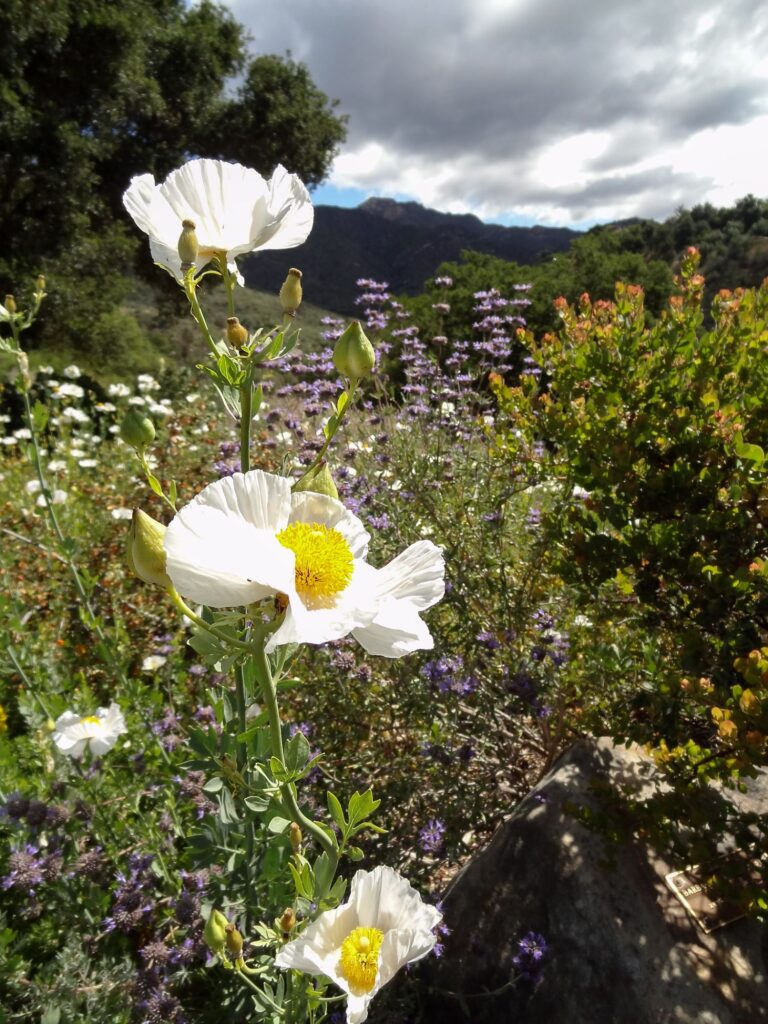
Santa Barbara Botanic Garden has several projects in the Los Padres National Forest (past and present) which could be impacted by the repeal of the Roadless Rule, as the Los Padres is one of many areas that would be opened up to large-scale timber extraction, road building, and other extractive industrial threats. Indeed, over 600,000 acres are threatened locally! Some of our current and past projects include:
Milkweed Monitoring Project
The Garden is mapping and monitoring milkweed plants that provide essential breeding habitat for western monarch butterflies. The project is helping inform future restoration and forest management efforts while revealing that milkweed growing closer to roads is more likely to contain pesticide residues that can harm monarchs and other wildlife.
Rare Plant Seed Collection Project
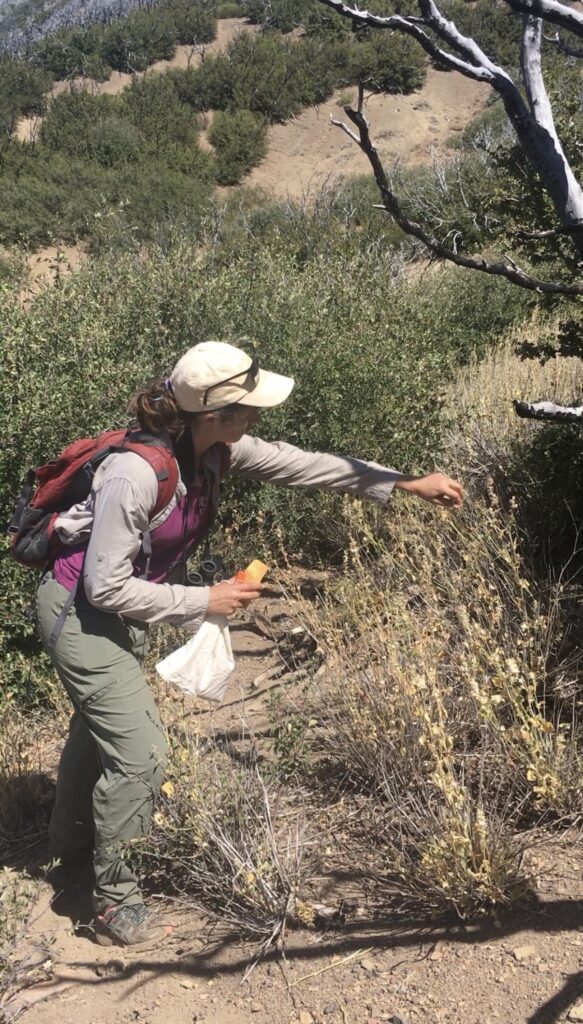
The Garden’s Rare Plant Team surveys national forest lands to locate rare plant species and collect seeds for long-term conservation. Some of these collections are the first ever made for extremely rare plants, creating a safeguard against extinction and helping ensure these species can be protected and restored in the future.
Biodiversity Black Holes Project
The Garden surveyed hundreds of miles of post-fire forest in the Los Padres to identify rare plants and invasive weeds. The project found hundreds of rare plant populations and collected thousands of plant specimens and conservation seeds, helping guide habitat restoration and forest recovery.
| Submit Your Comments by October 6. Tell USDA and federal decision-makers: Keep the Roadless Rule in place. Protect biodiversity and native plants, wildlife habitat, clean water, outdoor recreation, and climate-resilient forests for future generations. Take action using the talking points below and submit your comments opposing the rescission of the Roadless Rule. |
Talking Points
- No Action Alternative
- Protect Our Last Intact National Forests
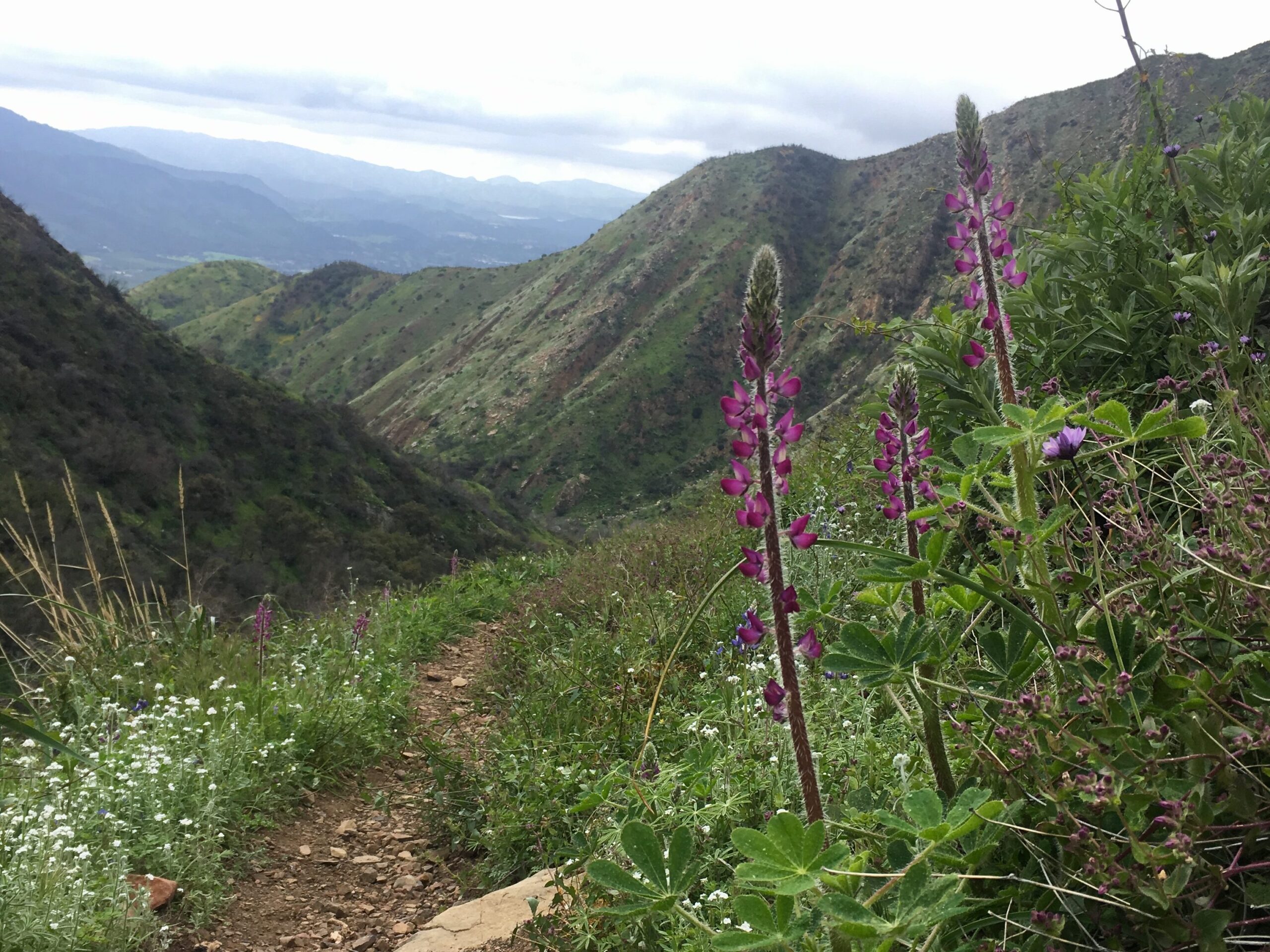
- Protect Wildlife Habitat and Biodiversity
- Keep Drinking Water Clean
- More Roads Mean More Wildfire Risk
Take Action Today
There is no better time than now to speak for the trees.
You can read the Garden’s comment letter here. Then, submit your comments at Regulations.gov by October 6.


In the Nick of Time: Serendipitous Seed Collection During Fire Season
The Science Behind It All
Putting Pollinators First Through Art: A New Way to Design Gardens
What the Torrey Pines Are Trying to Teach Us