 Donate
Santa Barbara Botanic Garden Opens Torrey Pine Conservation Grove as Part of Centennial Celebration
New living conservation collection helps safeguard one of the rarest pine trees on Earth
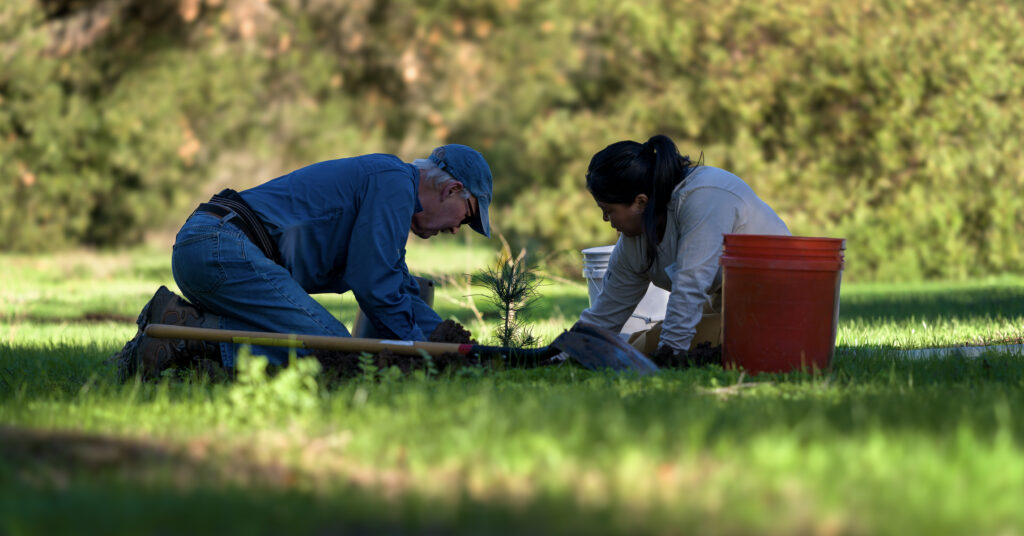
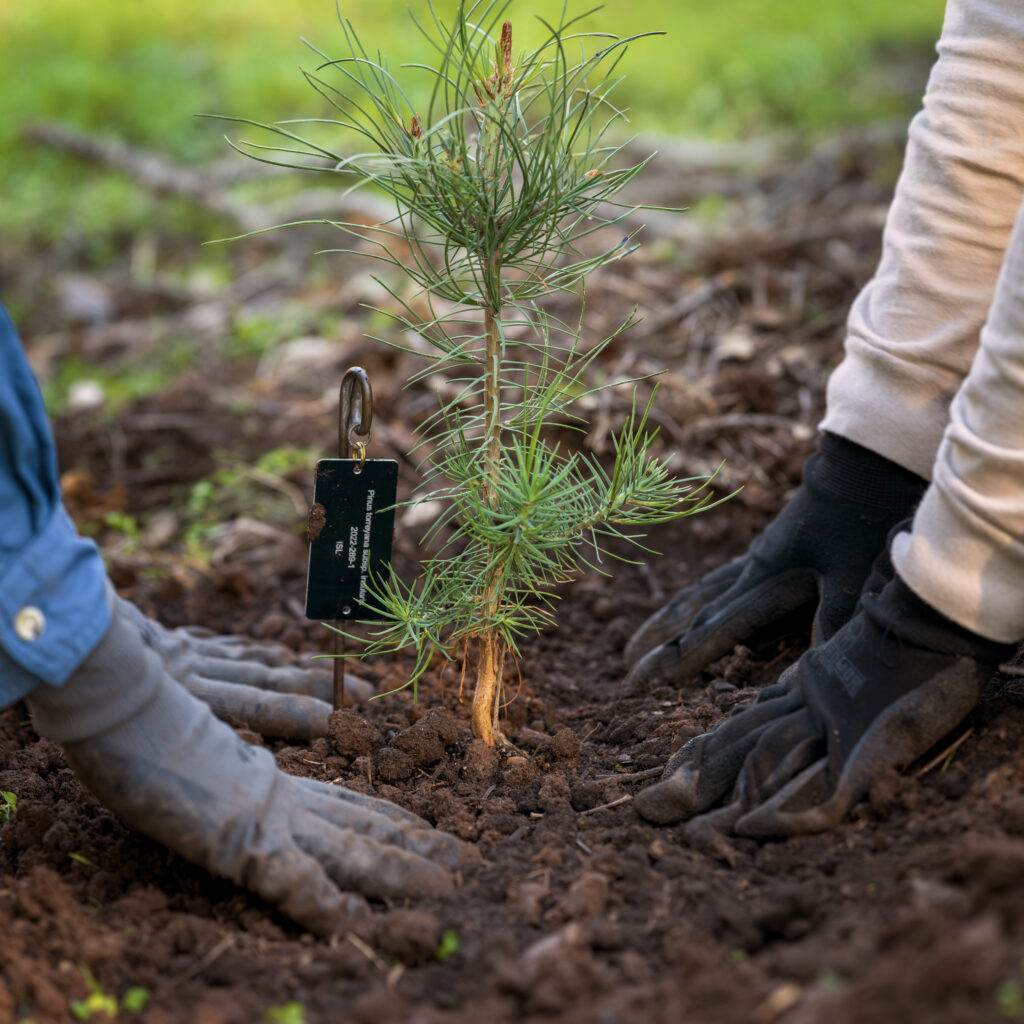
SANTA BARBARA, Calif. (March 20, 2026) — As Santa Barbara Botanic Garden celebrates its Centennial year, the Garden is looking ahead to the future of plant conservation with the opening of a new Torrey Pine Conservation Grove, a living collection designed to protect one of North America’s rarest native trees.
Reflecting the spirit of the Garden’s Centennial theme, “Growing the Next 100 Years,” the grove represents a long-term commitment to safeguarding the Santa Rosa Island torrey pine (Pinus torreyana ssp. insularis), a remarkable species found naturally only on Santa Rosa Island in California’s Channel Islands.
“Torrey pines are among the rarest pine trees in the world, and because we’re still acquiring data on the viability of their seeds under long-term storage, living collections like this are essential to their conservation,” said Keith Nevison, director of horticulture and operations at Santa Barbara Botanic Garden. “Each tree in this grove represents a unique maternal line from Santa Rosa Island, helping preserve the genetic diversity of the species. While these trees are young today, they will grow quickly and become a future forest that can support conservation and restoration efforts for generations to come.”
While many plant species can be conserved through traditional seed banking, living collections remain an essential tool for protecting genetic diversity—particularly for species like the Torrey pine, where the long-term storage of seeds is still being studied. Although some pine seeds are maintained in frozen collections, conservation groves provide an important complementary approach by preserving living trees that represent the species’ broad genetic diversity. The grove includes 45 Torrey pines grown from seeds collected by Garden staff from individual maternal trees on Santa Rosa Island, with each tree tracing back to one of those parent trees to help safeguard the genetic variation needed for the species to adapt and thrive into the future.
The seeds were collected through a conservation effort supported by the U.S. Forest Service and the American Public Gardens Association. Over the past two years, Garden staff harvested cones on Santa Rosa Island, extracted the seeds, propagated young trees in our onsite Living Collections nursery, and eventually transplanted them into the Garden’s landscape.
Over time, the grove will mature into a stand of trees that serves as a living conservation collection, helping safeguard the species if wild populations face threats from wildfire, disease, climate change, or other environmental pressures.
The new Conservation Grove represents just one part of the Garden’s broader conservation work across California and beyond. Through scientific research, seed conservation, habitat restoration, and partnerships with land managers and scientists, the Garden protects native plants from the genetic level of individual populations to the landscape scale of entire ecosystems. While much of this work focuses on the Central Coast and Channel Islands, the Garden’s conservation efforts increasingly extend across California and into Baja California, helping safeguard biodiversity and restore native habitats for future generations.
The project also contributes to global conservation goals. The Global Strategy for Plant Conservation recommends that at least 75 percent of threatened plant species be preserved in ex situ collections—plants cultivated outside their natural habitats—to help maintain biodiversity and support future restoration efforts.
As the Garden begins its second century, the Torrey Pine Conservation Grove stands as a living symbol of its mission: protecting California’s native plants, advancing conservation science, and inspiring future generations to care for the natural world.