 Donate
14th Annual Santa Barbara Botanic Garden Conservation Symposium
- Instructor
- Santa Barbara Botanic Garden
- Location
- Santa Barbara Education Office Auditorium & ONLINE!
- Date
- February 27, 2027
- Time
- 9:00AM - 2:00PM
Explore more topics
Cutting-edge Conservation: Innovative Solutions to the Biodiversity Crisis
Presented by the Nakashima-Rennie Family
Santa Barbara Botanic Garden’s 14th Annual Conservation Symposium explores the rapidly evolving frontier of native plant conservation and the tools reshaping how we understand, protect, and restore biodiversity. As environmental challenges grow more complex, so too does the science and practice behind conservation. This year’s symposium brings together leading researchers, practitioners, and innovators to highlight how new technologies, emerging methodologies, and fresh ecological insights are expanding what is possible for native plant conservation across California’s Central Coast and beyond.
From advances in ecological modeling and genomics research to the use of geospatial tools, AI-driven analysis, and remote sensing, conservation work is entering a transformative era. These tools are not only improving how we identify and prioritize at-risk species and habitats but also helping us design more resilient restoration strategies and measure outcomes with greater precision than ever before.
Together, these perspectives reveal a powerful shift in the way we approach conservation work, but they also underscore an important responsibility for the scientific community to critically examine and thoughtfully weigh the impacts of emerging technology. As advances in computing, data infrastructure, and field instrumentation expand what is possible, they also bring increased demands on energy, water, land use, and development. This moment calls for solutions that are not only innovative and effective, but also intentional, transparent, and mindful of the broader environmental footprint, so we can continue to advance conservation in a way that benefits both people and the planet.
In that same spirit of innovation, collaboration, and thoughtful investment in conservation, the Garden is proud to honor Victoria Seaver Dean, chair of the Seaver Institute, with the 2027 John C. Pritzlaff Conservation Award. During her 27-year career leading the Institute, Dean championed innovative scientific inquiry and conservation efforts throughout California, including collaboration among organizations working to better understand and care for the natural treasures of the Channel Islands. Her leadership embodies the spirit of this year’s symposium and the belief that bold ideas, collaboration, and a commitment to science can help shape a better future for biodiversity.
Tickets (now available):
Garden Members: $45
General Admission: $50
General Admission – Student: $15
Virtual Attendee: Free (Registration required).
In-person attendance includes complimentary coffee, snacks, and lunch. To help reduce waste, please bring a reusable mug with lid.
Event Details:
Date: February 27, 2027
Time: 9 a.m. to 2 p.m.
Location: Santa Barbara Education Office Auditorium (4400 Cathedral Oaks RD) & YouTube Livestream
Sponsor our 2027 Event
Deadline to confirm sponsorship is December 31, 2026
Schedule of Events:
| 9–9:15 AM | Welcome and Introduction Heather Schneider, Ph.D., Director of Conservation & Research, Santa Barbara Botanic Garden |
| 9:15-9:35 AM | 2027 John C. Pritzlaff Conservation Award Winner | Victoria Seaver Dean, Chair, The Seaver Institute |
| 9:35-9:55 AM | Speaker Presentation |
| 9:55-10:15 AM | Speaker Presentation |
| 10:15-10:35 AM | Speaker Presentation |
| 10:35-10:55 AM | BREAK |
| 10:55-11:15 AM | Speaker Presentation |
| 11:15-11:35 AM | Speaker Presentation |
| 11:35-11:50 AM | BREAK |
| 11:50 AM to 12:25 PM | Panel Discussion |
| 12:25-2 PM | Lunch & Poster Session |
| 2 PM | Event End |
Scroll for Speaker Bios
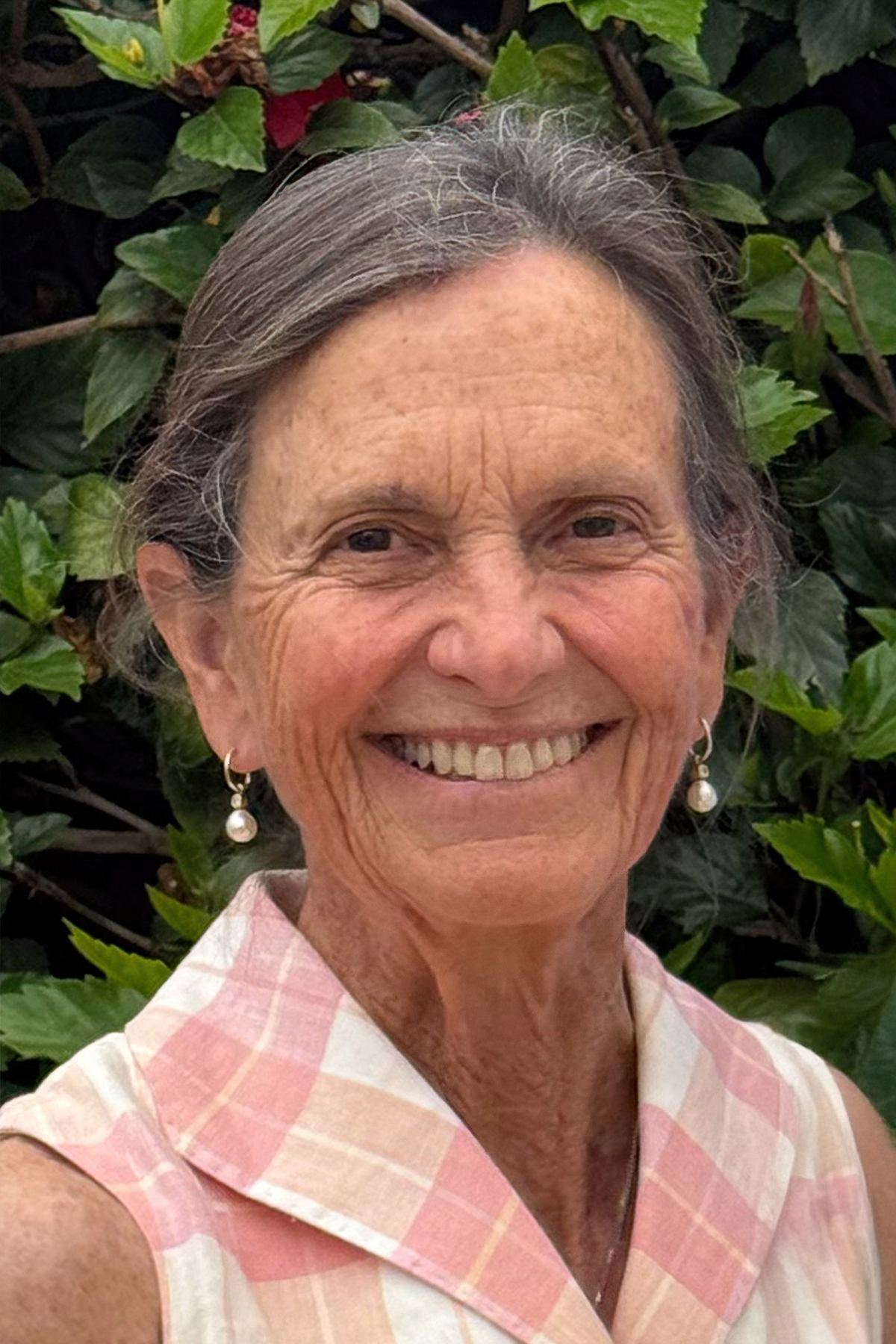
Victoria Seaver Dean, Chair, The Seaver Institute
Our 2027 John C. Pritzlaff Conservation Award recipient is the Chair of The Seaver Institute a foundation that provides seed funding for innovative scientific inquiry and catalytic projects that have the potential to change a field. Growing up in Southern California endowed Victoria with a love of the California landscape, and during her 27-year career as President of the Institute, she has dedicated the Institute’s support of conservation projects to those that would make a difference to California. During the past decade, she has championed the collaboration between organizations to better understand and care for the natural treasures of the Channel Islands. Over the course of her career she has contributed as a board member to diverse organizations such as Scripps College, Harvard-Westlake School, Good Samaritan Hospital, The Nature Conservancy of California and for more than 20 years, the Catalina Island Conservancy. She loves being outside, captures the beauty of California landscape through her oil paintings, and enjoys keeping up with her large family and introducing her nine grandchildren to her favorite landscapes.
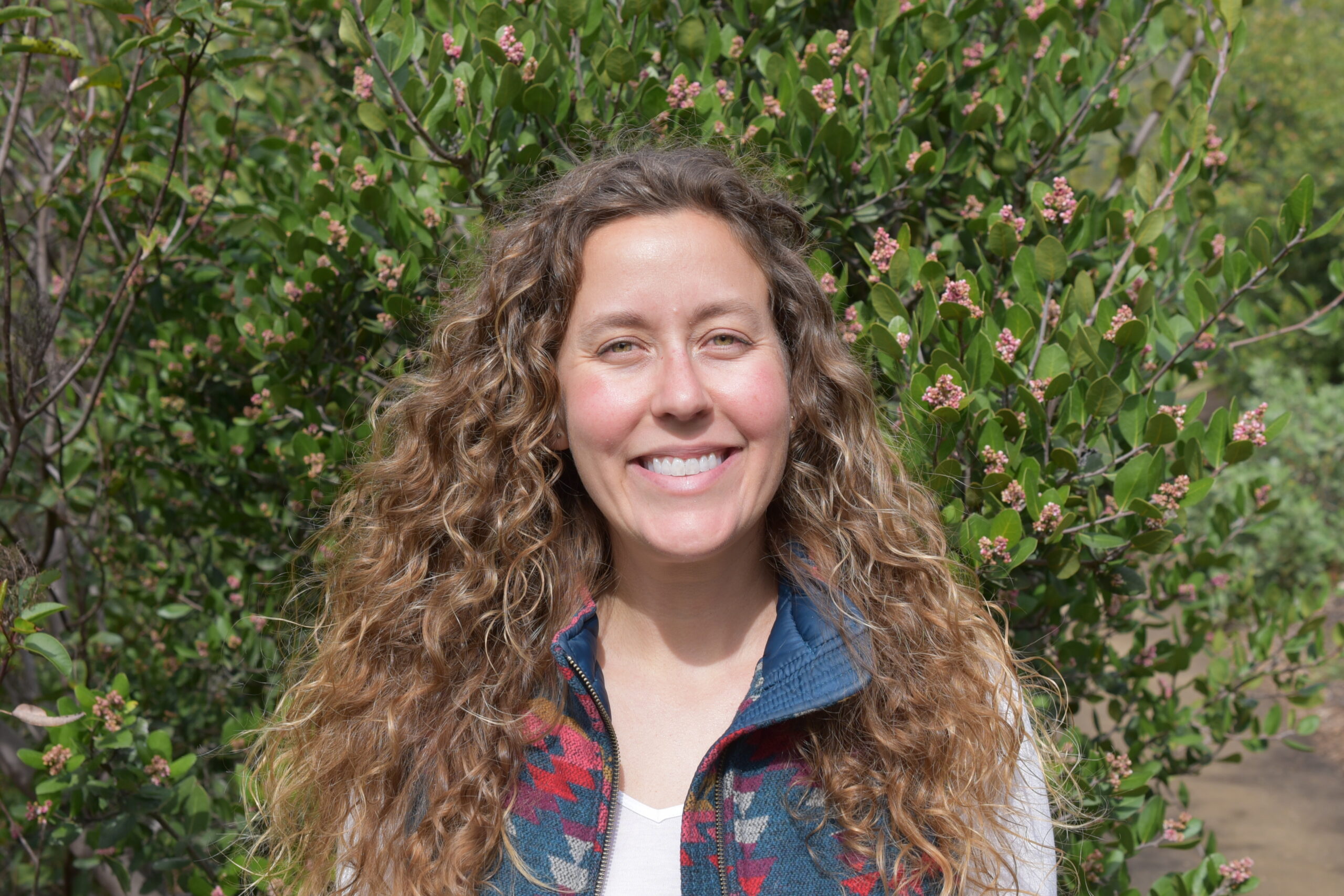
Heather Schneider, Ph.D., Director of Conservation & Research, Santa Barbara Botanic Garden
Heather Schneider, Ph.D., is the Director of Conservation and Research at Santa Barbara Botanic Garden. For nearly 10 years, she led the rare plant conservation program at the Garden, focusing on research and recovery actions for California’s rare plants. In her new role as Director, Heather now oversees a team of more than 20 scientists who are working from the level of genes to ecosystems to further native plant conservation across California. Using applied science as a foundation, Heather and her team conduct cutting edge research, field work, nursery propagation, and community outreach to understand, protect and restore California’s native plants and habitats. She also oversees the Garden’s Conservation Seed Bank, which safeguards more than 4M seeds representing more than 400 kinds of rare plants. Heather earned her PhD in botany and plant sciences from the University of California, Riverside. Prior to joining the Garden, she worked for the US Geological Survey as an Ecologist and was a postdoctoral scholar at the University of California, Santa Barbara, where she helped create the first-ever research seed bank to study the evolution of wild plants. .
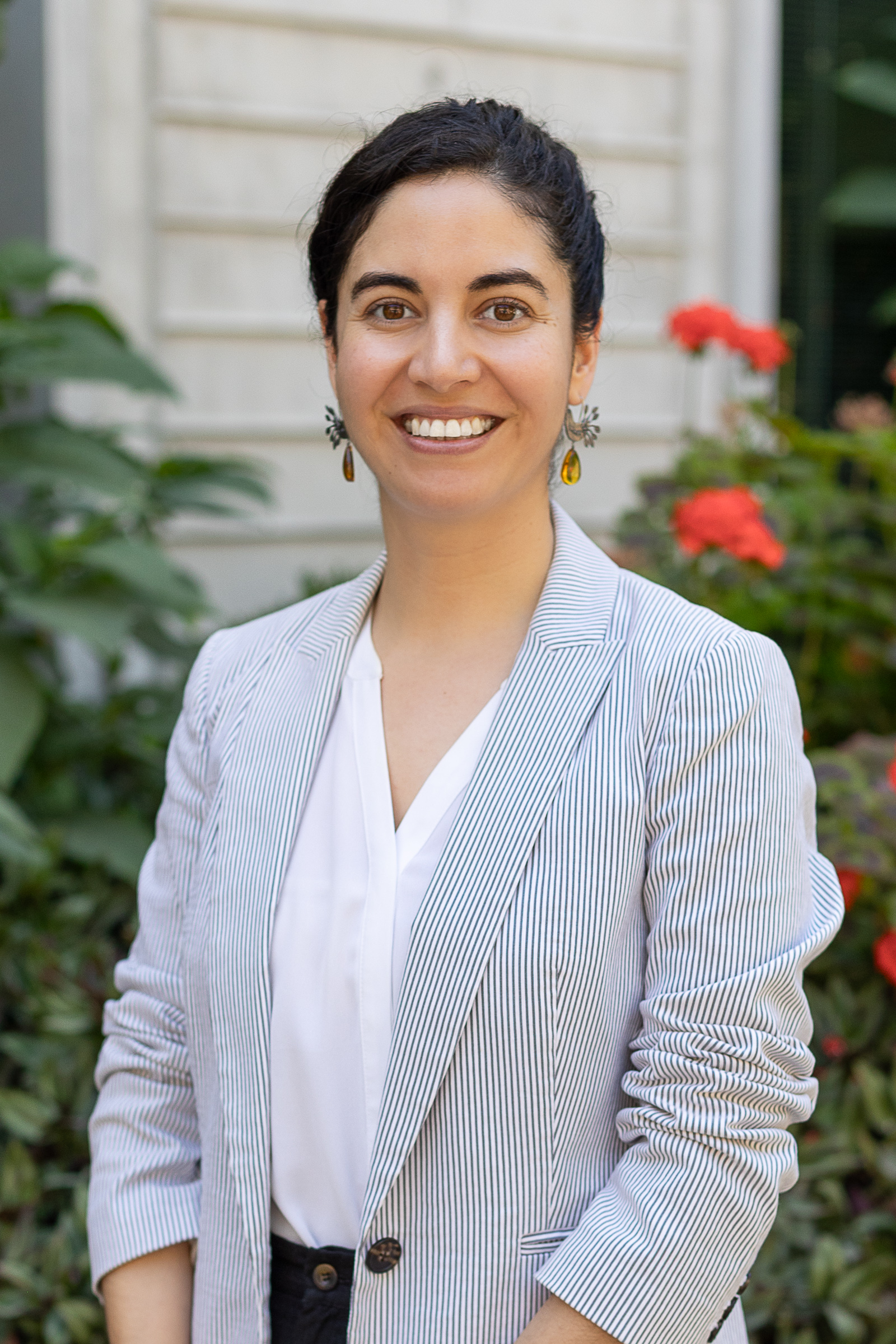
Carmen Galaz García, Assistant Teaching Professor, UC Santa Barbara’s Bren School of Environmental Science & Management
Carmen Galaz García is an Assistant Teaching Professor at UC Santa Barbara’s Bren School of Environmental Science & Management, where she teaches data science and leads the capstone courses for the Master of Environmental Data Science (MEDS) program. Her teaching focuses on making technical subjects accessible to people of all backgrounds. As a data scientist at the National Center for Ecological Analysis and Synthesis (NCEAS), she began using machine learning and aerial imagery to map invasive iceplant along the Santa Barbara coast, research she continues today. She holds a Ph.D. in Mathematics from UC Santa Barbara.

Kristen Hasenstab-Lehman, Ph.D., Conservation Geneticist, Santa Barbara Botanic Garden
Kristen Hasenstab-Lehman, Ph.D., is a plant systematist, a botanist, and the conservation geneticist of the Conservation Genetics Plant Lab at Santa Barbara Botanic Garden. She integrates field studies, molecular tools, and histological techniques to document biodiversity and to understand the interplay of ecological and evolutionary effects on plants of conservation concern. After earning a master’s degree at San Diego State University, Kristen earned her doctorate in botany at Claremont Graduate University at California Botanic Garden (formerly Rancho Santa Ana Botanic Garden). She worked at the Smithsonian National Museum of Natural History managing the plant DNA barcoding lab. She has worked with California’s native plants since 2006.
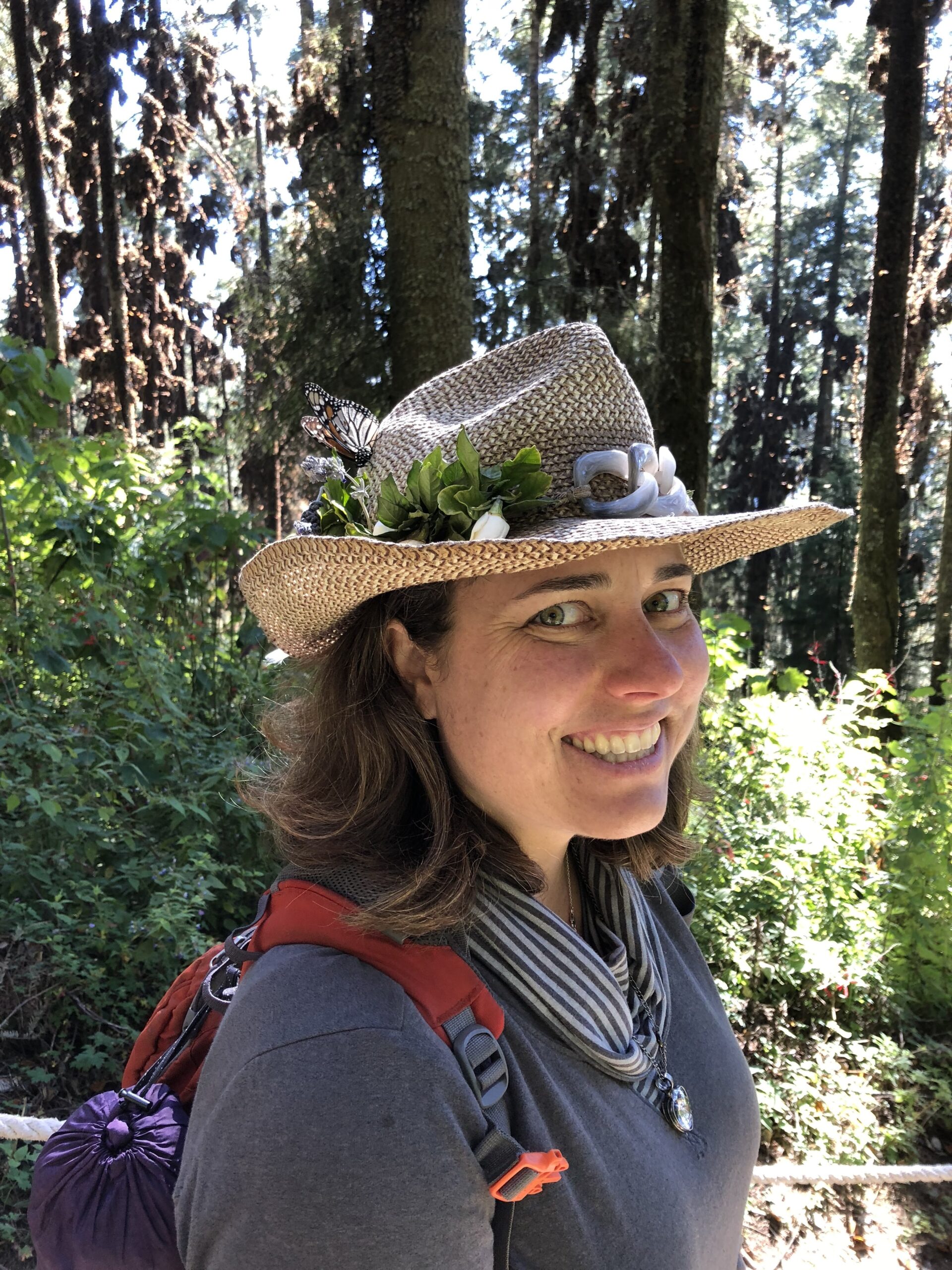
Charis van der Heide, Monarch Butterfly Biologist, Senior Biologist with Althouse and Meade, Inc.
Charis van der Heide is a research biologist with over 20 years of experience counting, studying, and tracking monarch butterfly movements along California’s central coast. Her passion for the species began at Cal Poly San Luis Obispo, where she earned her B.S. in Biological Sciences and first began researching and tagging monarchs. She now serves as the Santa Barbara County regional coordinator for the Xerces Society’s Western Monarch Counts, and as a senior biologist at Althouse and Meade, Inc., where she designs site-specific habitat management plans and impact assessments for monarch overwintering sites throughout the region. She collaborated on the first study to use radio tracking tags to observe monarch movement in California.
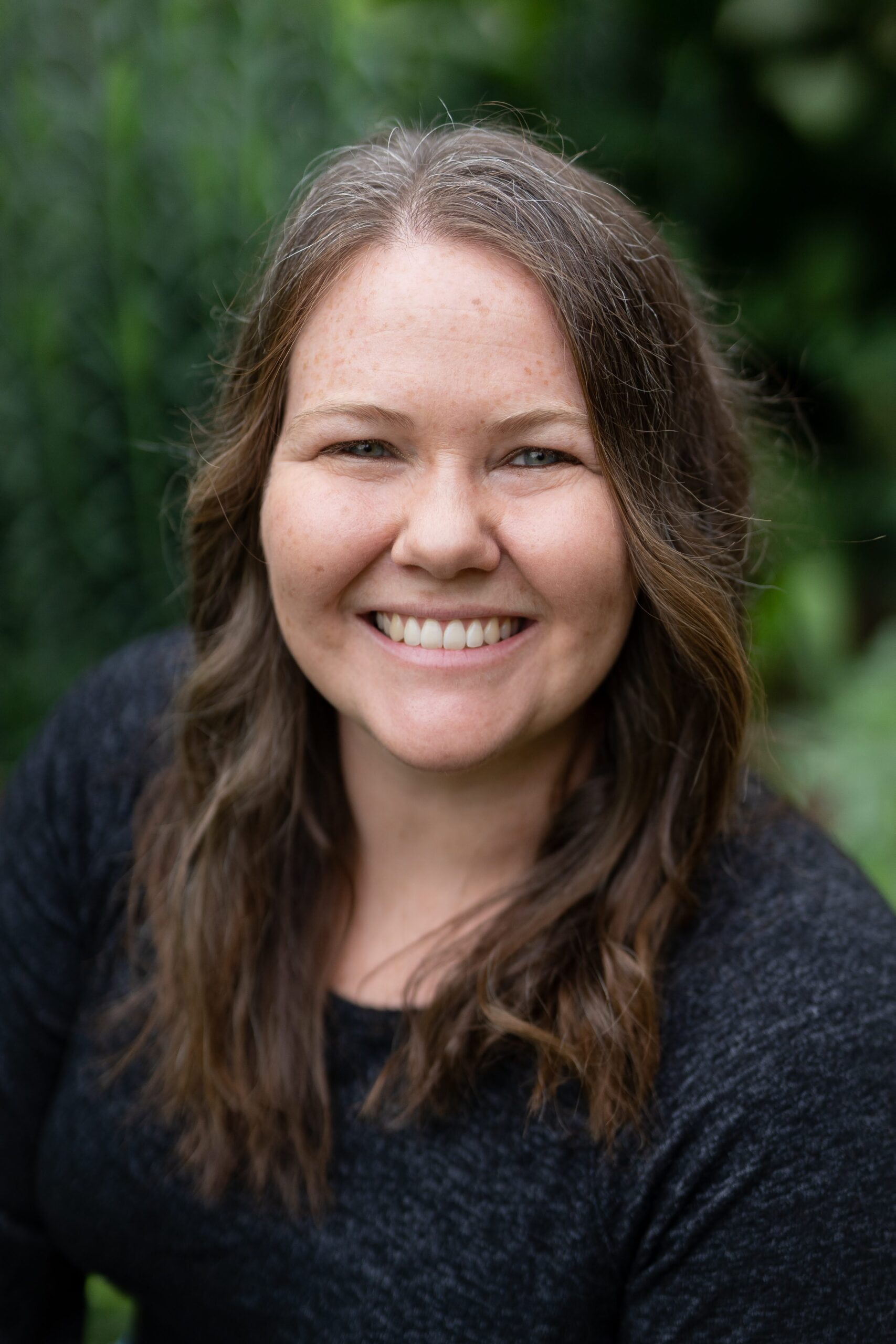
Jennifer Phillips, Assistant Professor, School of the Environment, Washington State University
Jennifer Phillips grew up on a small farm in central California close to the Sierra Nevada mountains, which spurred her love of the outdoors and nature. When she took an animal behavior and communication course at UCSD during her undergraduate studies, she became fascinated with acoustic signaling. She combined this interest with her interest in conservation, and pursued a master’s degree at Fresno State, then completed her PhD at Tulane University. She is now an assistant professor at Washington State University in the School of the Environment wildlife program, where her research focuses on animal behavior, communication, and the effects of human activity on wildlife. Specifically, she is interested in how phenotypic traits are affected by landscapes and sensory pollution, and whether changes in these traits lead to population and community level ecological consequences.
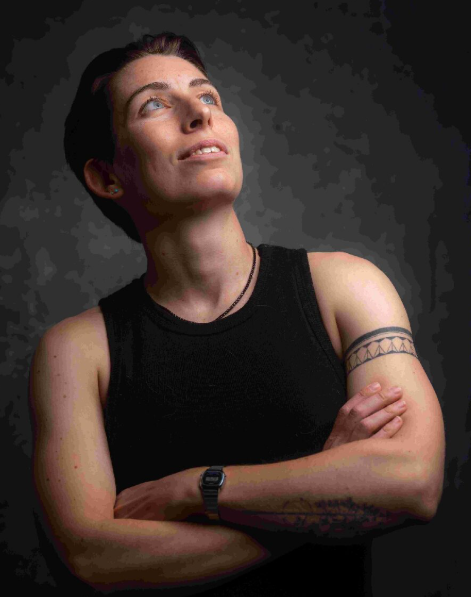
Kristina Fauss, Ph.D., Fire Scientist, Santa Barbara Botanic Garden
Kristina Fauss, Ph.D., is the first fire expert at Santa Barbara Botanic Garden. Her drive to better understand and restore balance between people, nature, and technology as it relates to wildfire science is an exciting and important POV to have on staff.
She started in civil engineering, applying frameworks of systems engineering to study natural hazards through the lens of human-environment interactions, which led to a doctorate in geography at University of California, Santa Barbara, focusing on wildfire hazard and ecology. At the Garden, Kristina’s role informs landscaping recommendations, conservation and restoration strategies, and educational programs. Her evaluation of suitable native plants for applications across California’s fire-prone landscapes not only involves collaboration across all Garden departments but also extends to nonprofit, academic, government, and community partners.
Through Kristina’s work, we will be able to make better informed decisions that reduce wildfire risk while supporting biodiversity and sustainable land stewardship.
Thank you to our generous sponsor:

Refund Policy:
We require at least 72 hours’ notice for cancellations. Refunds will be issued to the original form of payment, minus a 15% processing fee. Cancellations made within 72 hours of the class start time are nonrefundable and cannot be rescheduled.
To keep up with the latest Garden announcements subscribe to our newsletter at the bottom of this page and follow us on social media @SBBotanicGarden

Still Growing: 100 Years of California’s Native Plants
