Donate
Supporting Pollinators and Local Wildlife with Native Plants
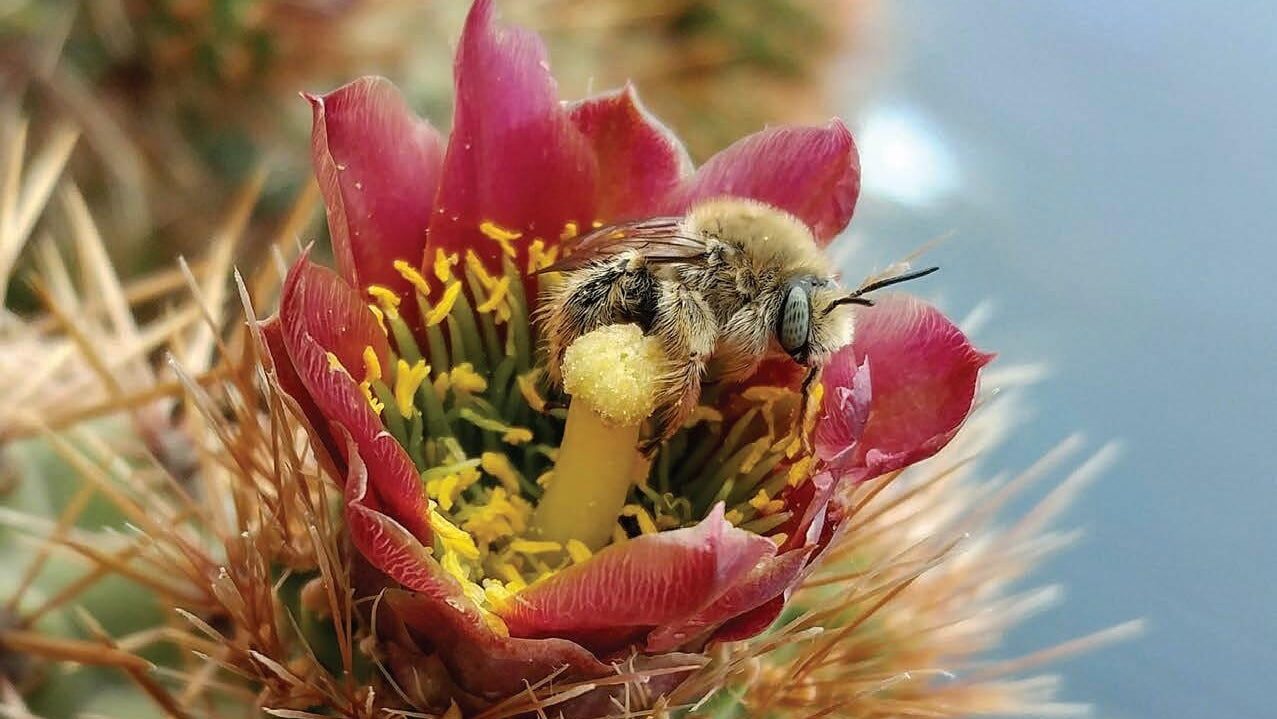
Native plants provide the foundation for all life on Earth – serving as the anchor points of global food webs. They are essential to the health and wellbeing of our pollinators, wildlife – and even you and me.
Insects such as bees, wasps, butterflies, and beetles play critical roles as pollinators, seed dispersers, and natural pest controllers. If you enjoy a colorful salad or a warm slice of apple pie, you have benefited from the work of pollinators. According to the US Fish and Wildlife Service, at least 35% of all crops result from insect pollination services. But did you know many pollinators have complex life histories and specialized relationships with native plants? In fact, some species, like monarch butterflies (Danaus plexxipus), only have one source of food during their larval (caterpillar) stage. In this case, milkweed (Asclepias spp.) is the requisite host plant for each new generation of monarchs. Without these plants in the right place, the butterflies struggle to find the food and habitat they need to survive – and these specific host plant relationships are a reality for over 30% of all butterfly species. These close relationships with specific plants aren’t just true for butterflies and moths (order Lepidoptera). Numerous species of beetles, wasps, bees, and other important ecosystem agents have evolved to rely on specific plants at different stages of their life cycle. Native plants are best equipped to support the complex relationships of our local ecosystems. In turn, our planet’s ecological balance is predicated on healthy populations of native plants.
In California, winter rains support an abundance of flowers, but have you also noticed the flurry of life that unfolds each spring? That’s because native plants, native pollinators, and other wildlife are synchronized in their life cycles. In many cases, they’ve perfected this dance over millions of years. As one of the most biodiverse places on the planet, California is home to more than 1,600 native bee species. These bees emerge at different times of the year, timed precisely to the blooming and dormancy cycles of native plants. This intricate timing benefits birds and other animals that rely on invertebrates such as caterpillars, bees, flies, spiders, and snails for food. Consider the fact that many songbirds feed their young exclusively caterpillars. With so many butterflies and moths that are dependent on specific native plants, one can see how native plants support whole living networks.
When you choose to plant and preserve native vegetation in your backyard and beyond, you’re supporting the rich biodiversity that keeps our ecosystems thriving.
What Are Some Easy-to-Grow Native Plants That People Can Incorporate Into Their Gardens or Landscapes to Support Wildlife?
California’s diverse native plants make it easy to create a low-maintenance, wildlife-friendly garden.
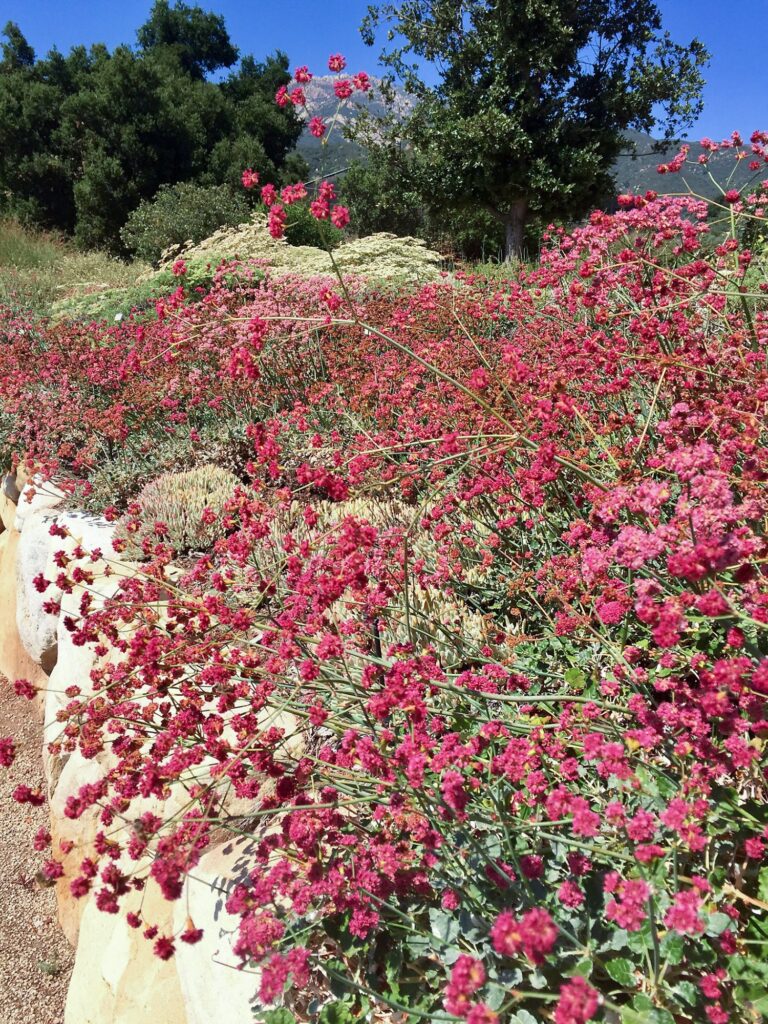
- Shrubs like California buckwheat (Eriogonum fasciculatum), red-flowered buckwheat (Eriogonum grande rubescens), and California goldenrod (Solidago californicum) provide late-season blooms for pollinators and seeds for songbirds.
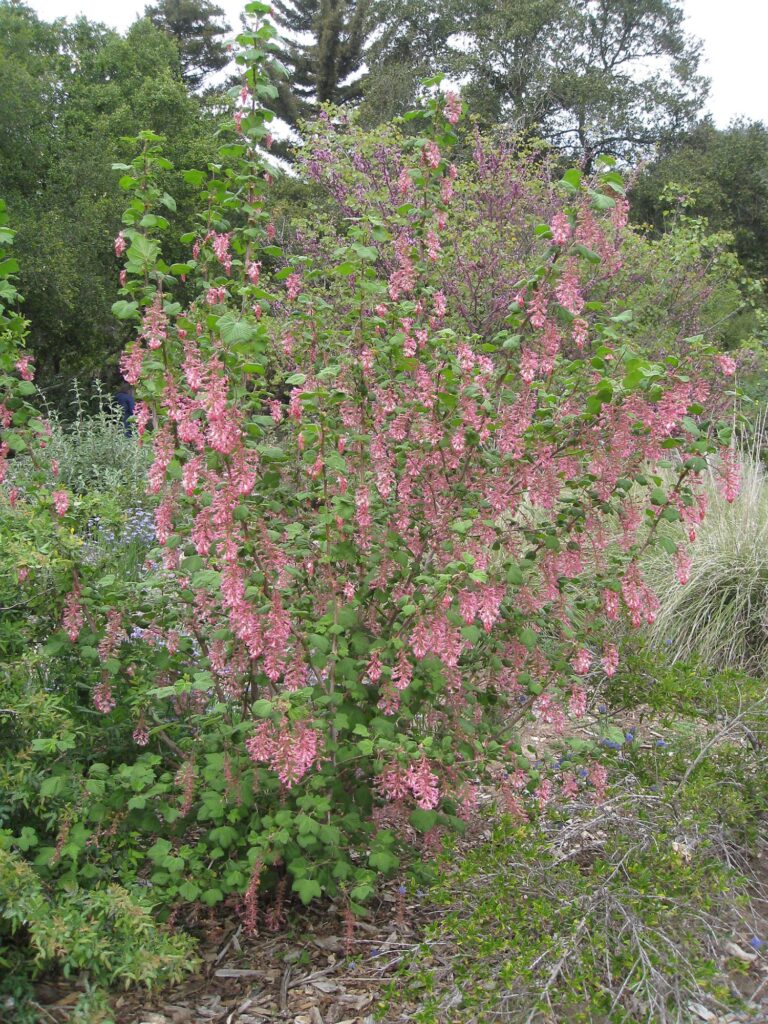
- Gooseberries and currants (Ribes spp.), such as evergreen currant (Ribes viburnifolium) and red-flowering currant (Ribes sanguineum), offer early-season nectar for hummingbirds and bees while producing berries that attract birds.
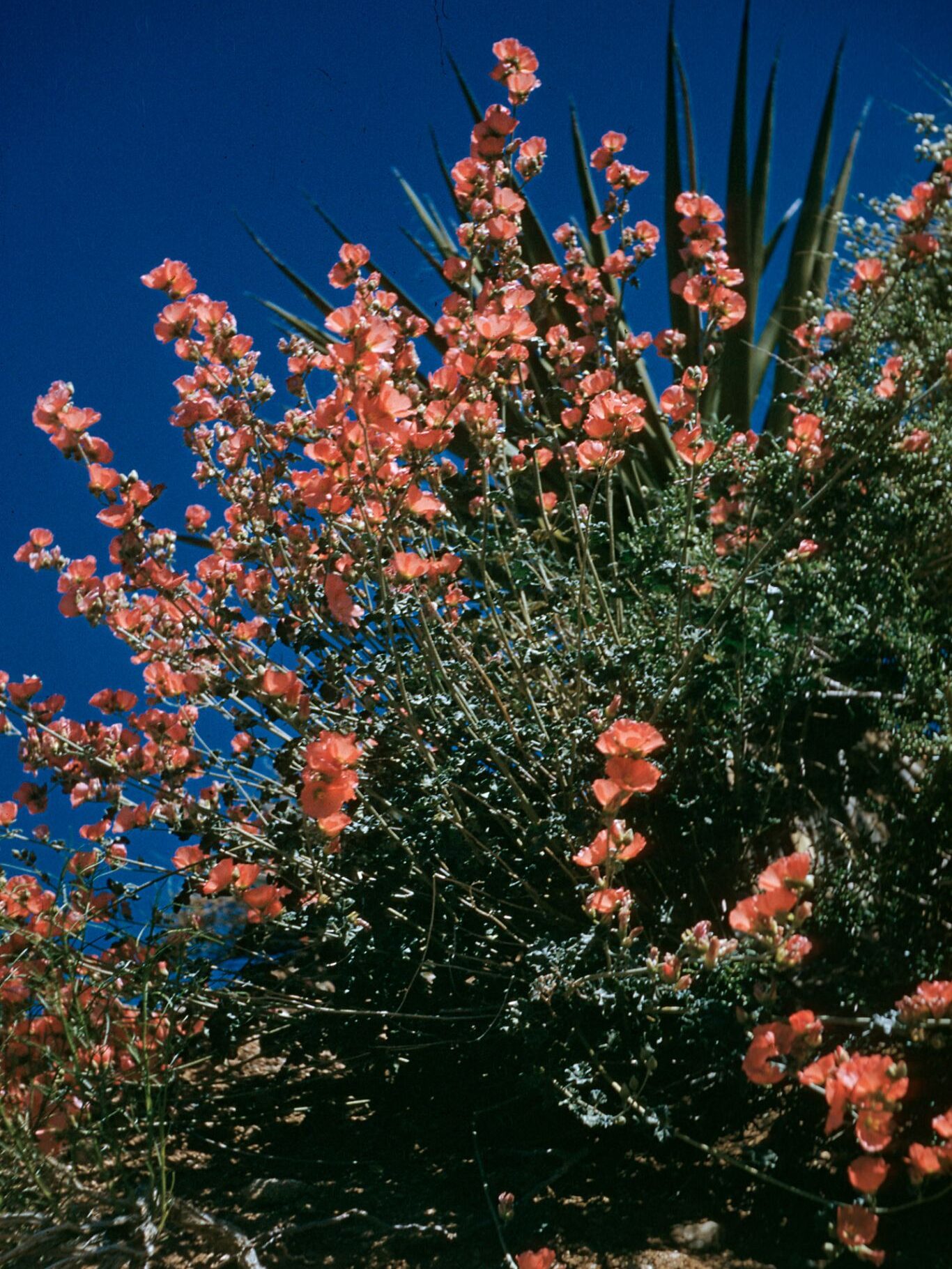
- For added color and texture, consider globe mallows (Sphaeralcea spp.) and Palmer’s mallow (Abutilon palmeri), which draw butterflies and native bees. Sages (Salvia spp.) not only add fragrant, drought-tolerant beauty to a garden but also provide nectar for hummingbirds and seeds for songbirds.
With thousands of native species and horticultural varieties to choose from, California gardeners have endless options for creating thriving landscapes that support local wildlife.
How Can Homeowners and Businesses Create a Wildlife-Friendly Landscape While Maintaining an Aesthetically Pleasing Design?
In California, creating a beautiful, wildlife-friendly landscape starts with understanding our region’s Mediterranean or “dry summer” climate. California’s native plants have adapted to survive these conditions with strategies such as going dormant in the dry, hot summer, dropping leaves, and slowing growth. While this may seem counterintuitive for a garden, these plants are very much alive and provide essential benefits — seeds and fruits for birds, shelter for insects, and perches for wildlife. Think of California’s summer dormancy period as our version of winter dormancy that many northern and eastern locales experience. Embrace this natural cycle and maintain a visually appealing design by employing some of our best tips and tricks:
- Interplant or layer summer-dormant species with evergreen natives such as manzanitas (Arctostaphylos spp.) or coffeeberry (Frangula californica) to keep structure and greenery year-round.
- Layer in different heights like ground covers, shrubs, and trees to add depth and seasonal interest while also supporting a diverse range of pollinators and birds.
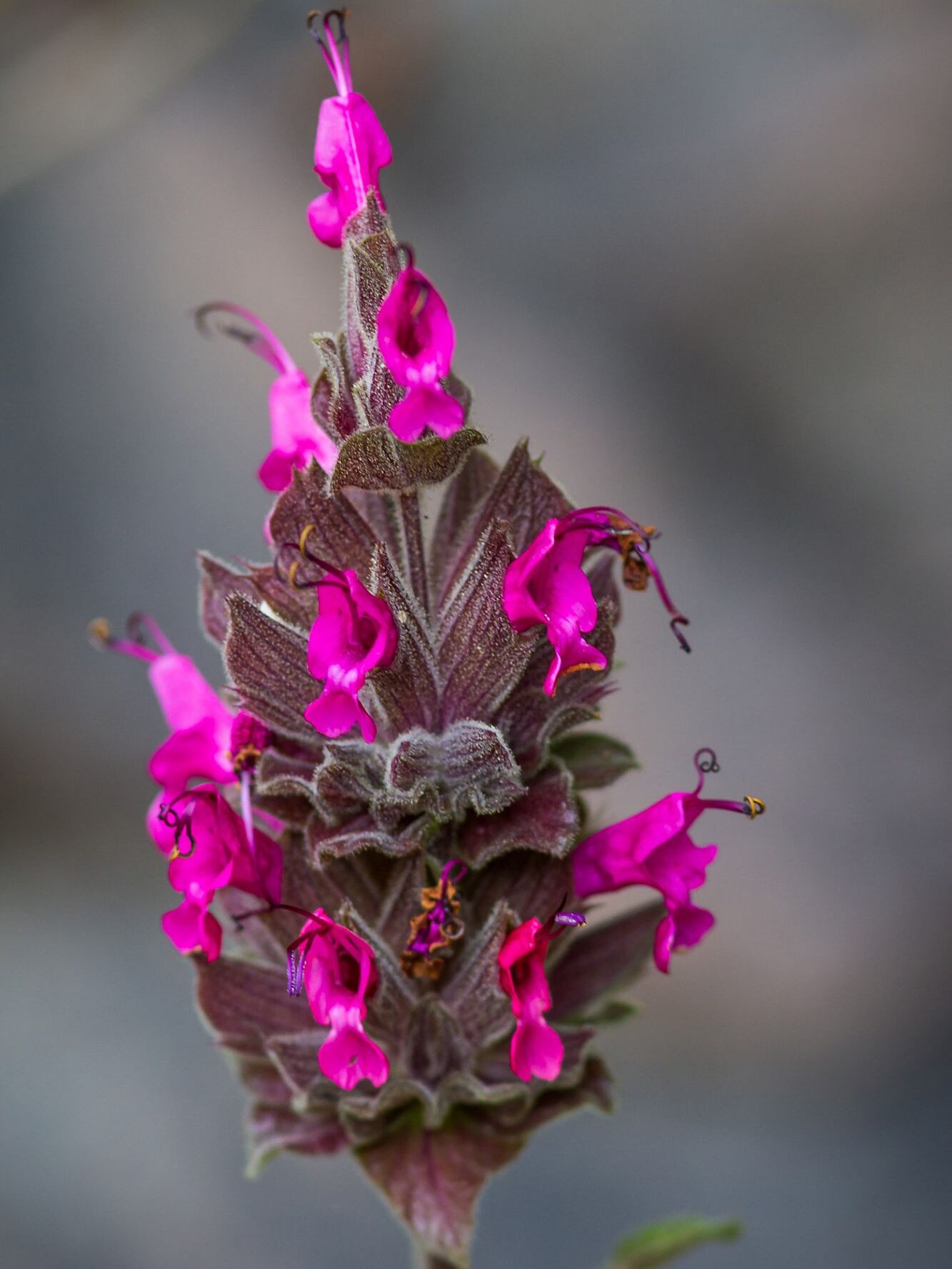
- Plants such as hummingbird sage (Salvia spathacea) or desert mallow (Abutilon palmeri) can be mass-planted to create eye-catching displays that also provide nectar for bees and hummingbirds.
Thoughtful planning, design, and patience result in a landscape that not only thrives with minimal upkeep, but also invites nature in. Over time, you’ll have a space that is both beautiful and beneficial for everyone to enjoy.
Are There Specific Seasonal Planting or Maintenance Tips to Maximize Habitat Benefits for Pollinators and Wildlife?
(Best practices for different times of the year, such as fall planting, winter habitat considerations, or spring blooms.)
Understanding and working with the natural rhythms of the seasons is an essential skill for native plant gardening.
- California’s Mediterranean climate means an extended dry season from May to October, so it’s important to time plantings with the rainy season when possible. Fall is the ideal time to get native plants in the ground to help them use natural conditions to establish their roots.
- Adding a layer of mulch around plant bases helps retain soil moisture, suppress weeds, and provide habitat for beneficial insects. However, it’s important to leave some bare patches of soil for ground-nesting bees, which make up a significant portion of native pollinators.
- In winter, resist the urge to over-clean your garden. Leaving dried seed heads and hollow plant stems in place provides food for birds and nesting sites for native bees.
- As spring arrives, a diverse mix of flowering plants ensures that pollinators have a continuous source of nectar. Be mindful of bird nesting season (typically late April through September), avoiding heavy pruning and disruptive activities during this critical time.
- It’s possible to plant in the summer, but it requires more careful watering and plant selection due to heat and drought stress.
Thoughtful seasonal maintenance not only enhances a garden’s beauty but also supports thriving ecosystems. For support maintaining your native garden, look for landscapers with a California Native Plant Landscaper certification. This certification means they are trained to care for native species in a way that supports local wildlife and conserves resources
What Are the Biggest Threats Facing Pollinators Today, and How Can People Help?
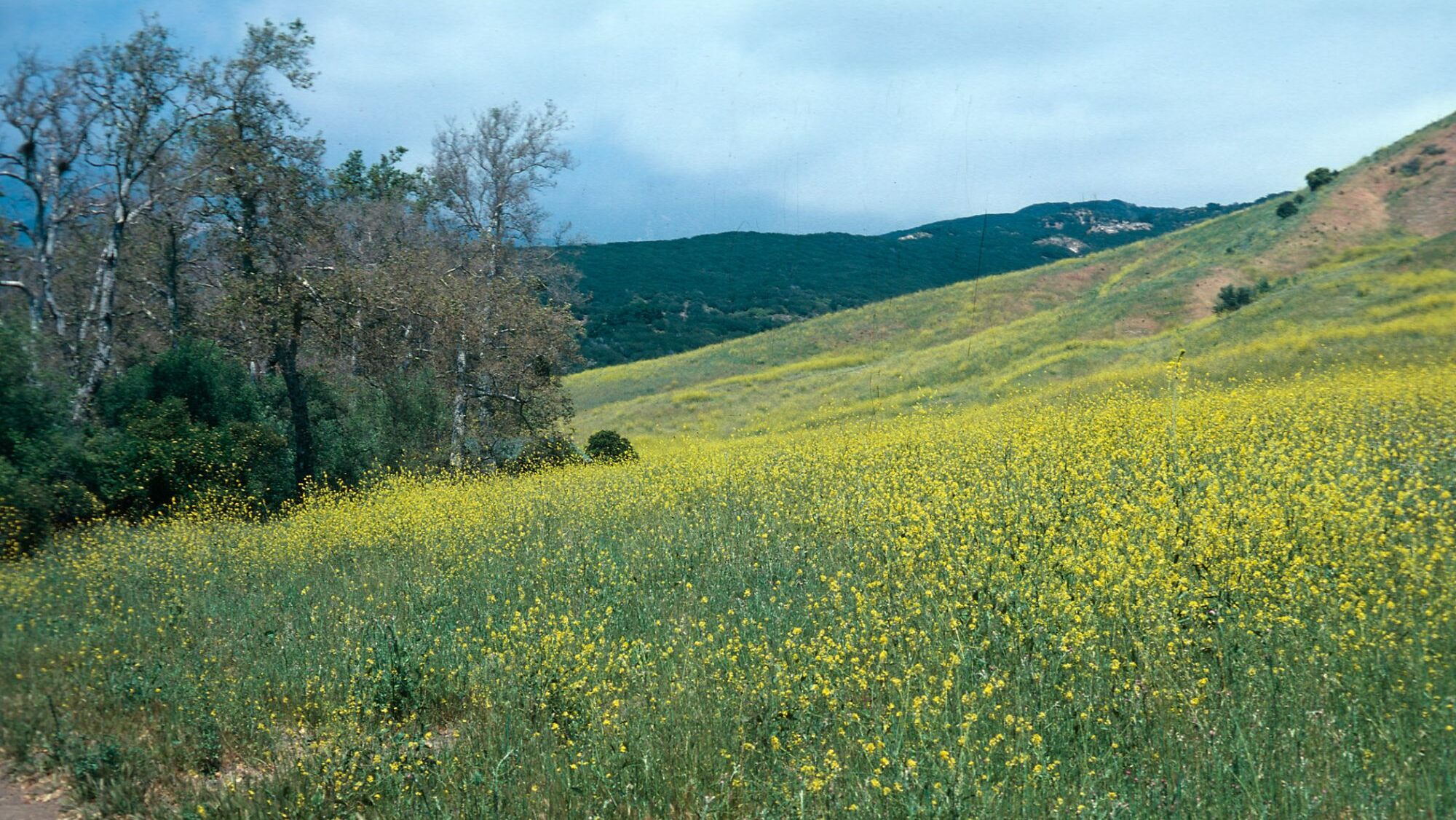
Habitat loss, overharvesting, pesticide use, climate change, and the spread of invasive species are all threats to global pollinator populations. Among these threats, invasive plants present one of the greatest dangers, as they outcompete native species and disrupt the delicate web of life that pollinators rely on for food and shelter. For example, shortpod mustard (Hirshfeldia incana) can form dense stands that crowd out native plants, reducing nectar sources for native butterflies and bees. At the same time, climate change is altering rainfall patterns and increasing drought conditions, making it harder for plants to thrive and provide food for pollinators.
But, the Solution Is in Our Hands — and Our Gardens!
When you grow a variety of native plants that bloom throughout the year, you ensure a steady supply of food for pollinators in every season. To improve your chances of success, establish your pollinator-friendly garden in the fall or early winter to allow plants to take advantage of seasonal rainfall and cooler temperatures. It’s also important to avoid pesticides. Many insecticides harm not only pests, but also essential pollinators and beneficial predatory insects that can naturally control garden pests.
By cultivating healthy habitats with native plants and minimizing chemical use, you can play a vital role in supporting pollinators and the ecosystems they sustain.
The paths to supporting pollinators in your neighborhood are as diverse as the plants themselves. No matter how you choose to promote habitat in your community, remember that the plants native to your local area are among the best-suited to supporting the web of life. Consider California’s unique seasonality as a superpower and learn to work with it. In the end, literally one plant in the right place at the right time can make a difference. Try it for yourself and see what blossoms.
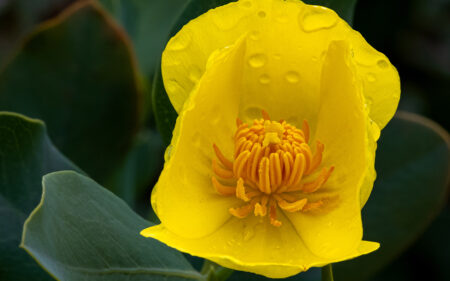
What the Torrey Pines Are Trying to Teach Us
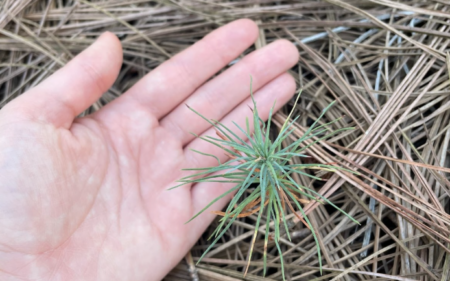
The Ripple Effects of Invasive Herbivore Removal: A Study on Santa Rosa Island’s Torrey Pines
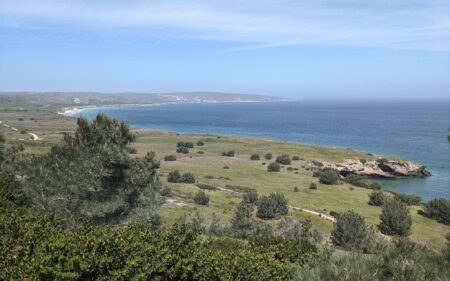
Updates from Cuyama: Pie, Plants, and a Brush with Fire
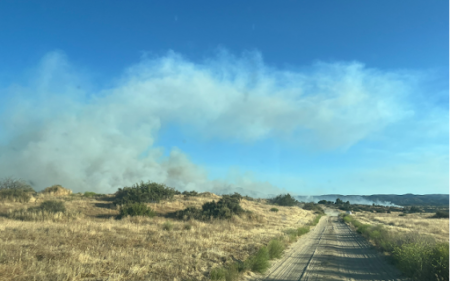
Defend the Roadless Rule! Comments due Oct. 6.