 Donate
Growing Resilence in the Cuyama Valley
Agriculture & Native Plants
Creating a Greener Tomorrow
This work is part of the Garden’s larger Landscape Transformation effort, which aims to transform public gardens and open spaces across Santa Barbara County into drought-tolerant native plant habitats. The Cuyama Valley project supports the community as they adjust to California’s Sustainable Groundwater Management Act (SGMA). This law requires farmers across the state to reduce their groundwater use.
Due to SGMA, some farmers will need to fallow or rest part of their land. In help, the Garden is partnering with Quail Springs, the Cuyama Valley Family Resource Center, the Cuyama Joint Unified School District, local farmers, and the Cuyama Buckhorn restaurant. Through an $818,000 grant, we are teaching and demonstrating conservation practices that save water, protect soil, and create healthy native habitats.
By providing hands-on experience, resources, and community-driven outreach, this project gives farmers the tools they need to care for their lands in compliance with state water regulations.
3
Local Farmers
6
Cuyama Valley Sights
1,387
Native Plants Planted
Photo Gallery
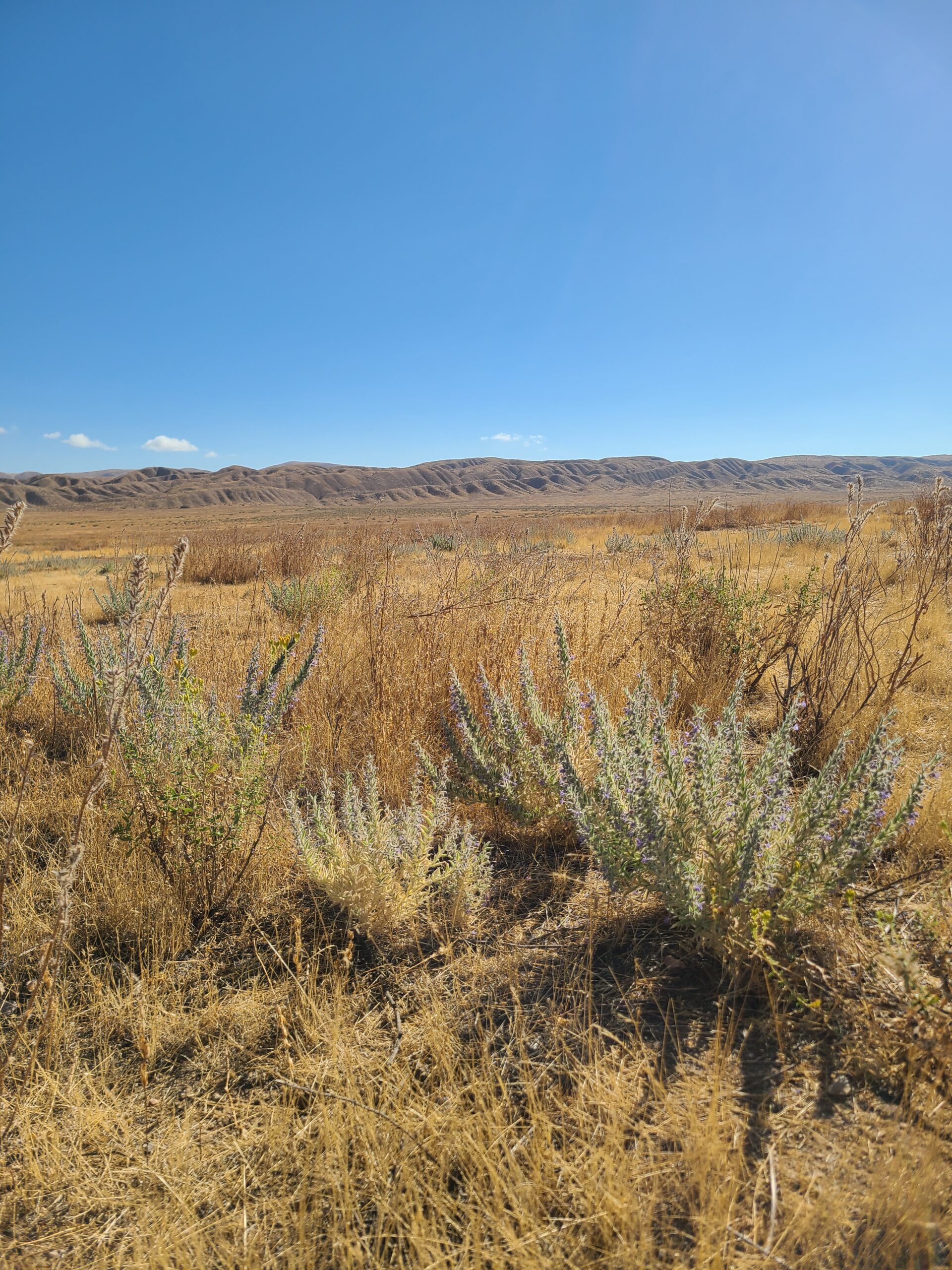
A landscape of flowering vinegarweed amongst the backdrop of the Temblor Range, seen from Carrizo. (Photo by Amy Yuelapwan)
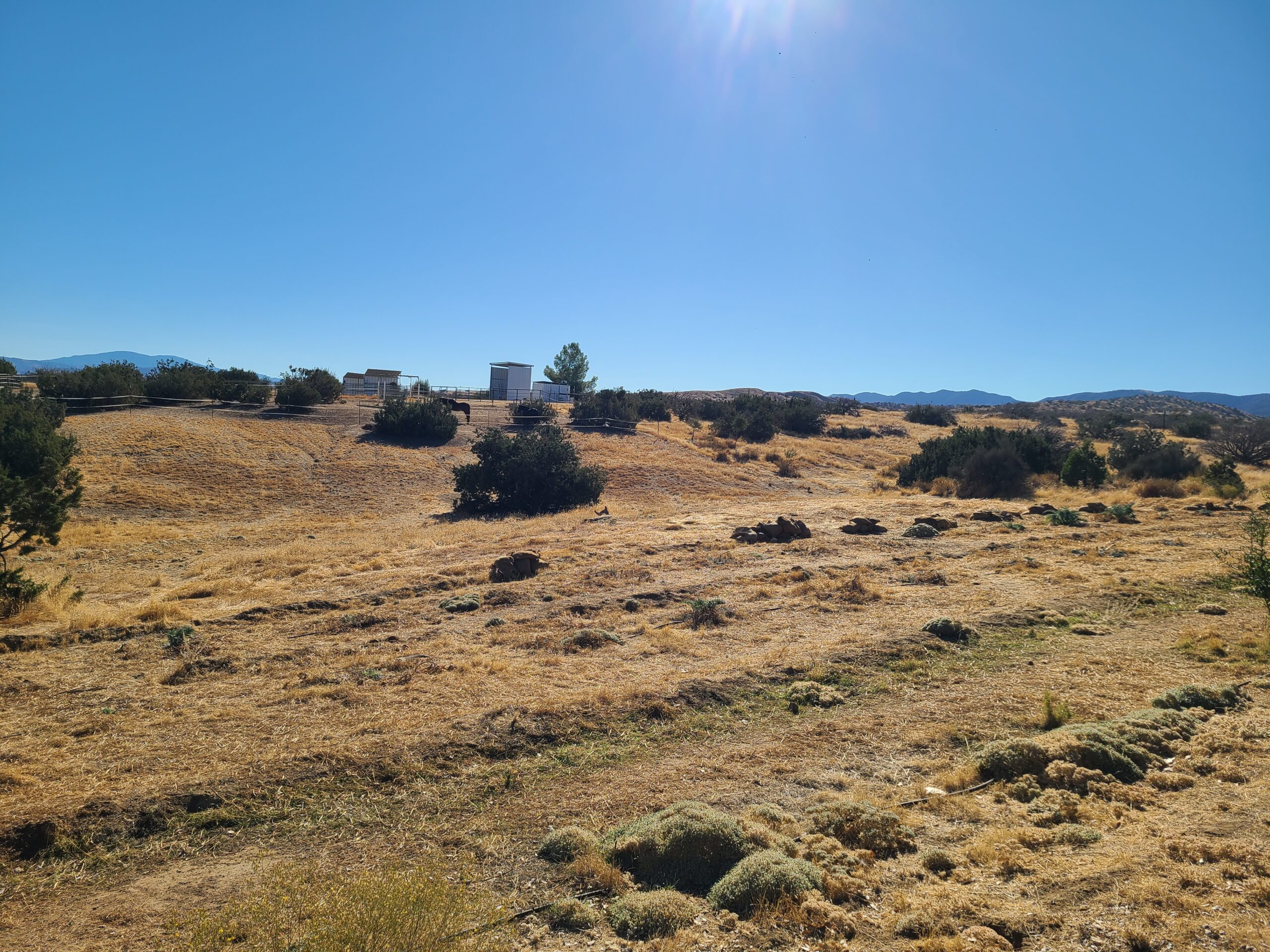
View of test site at Cuyama Homegrown, where black solarizing plastic was removed on Oct. 25, 2024 (Photo by Amy Yuelapwan)
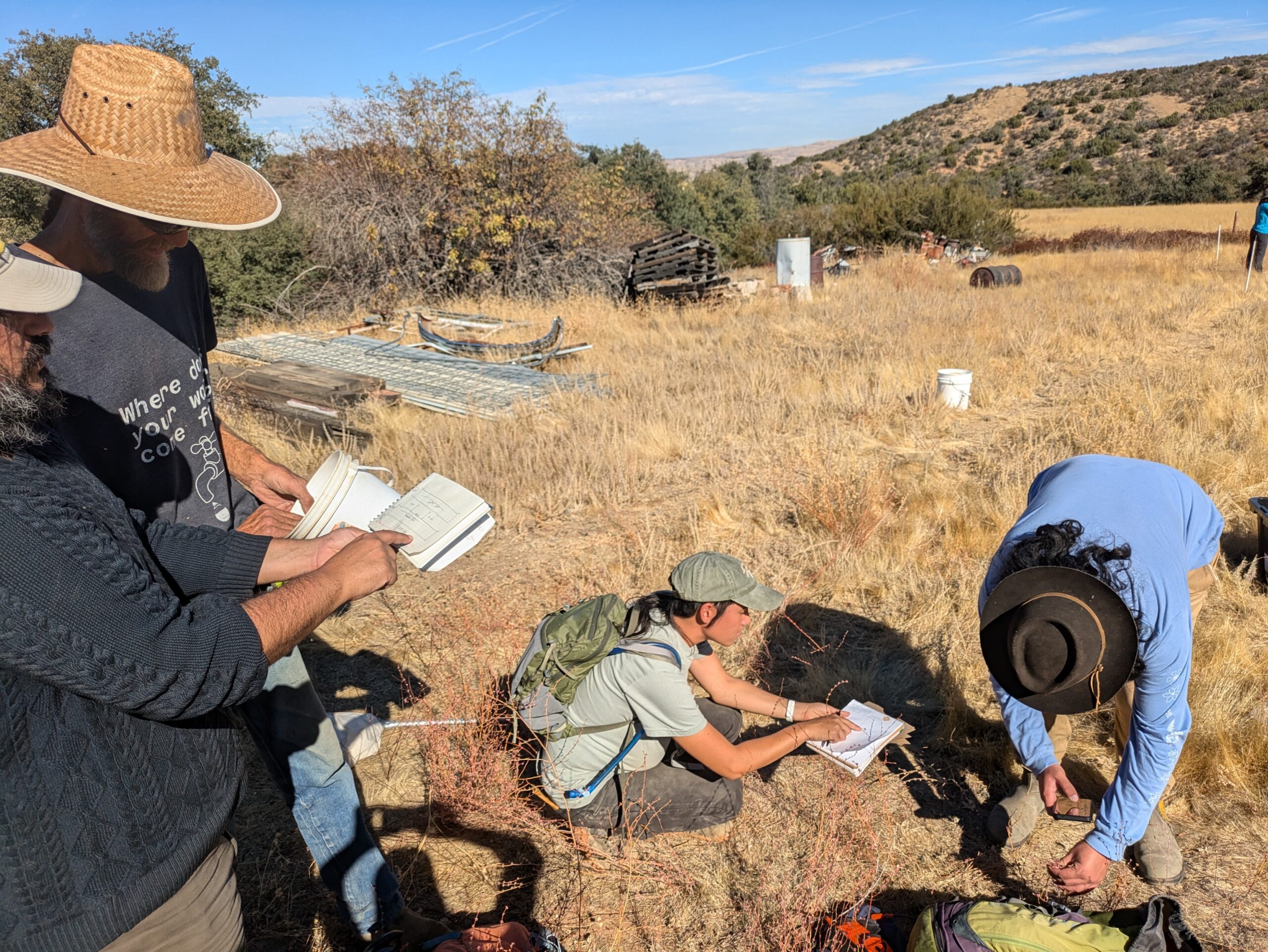
Field team reviewing notes about test plots at Condor’s Hope. (Photo by Dongyi Wu)
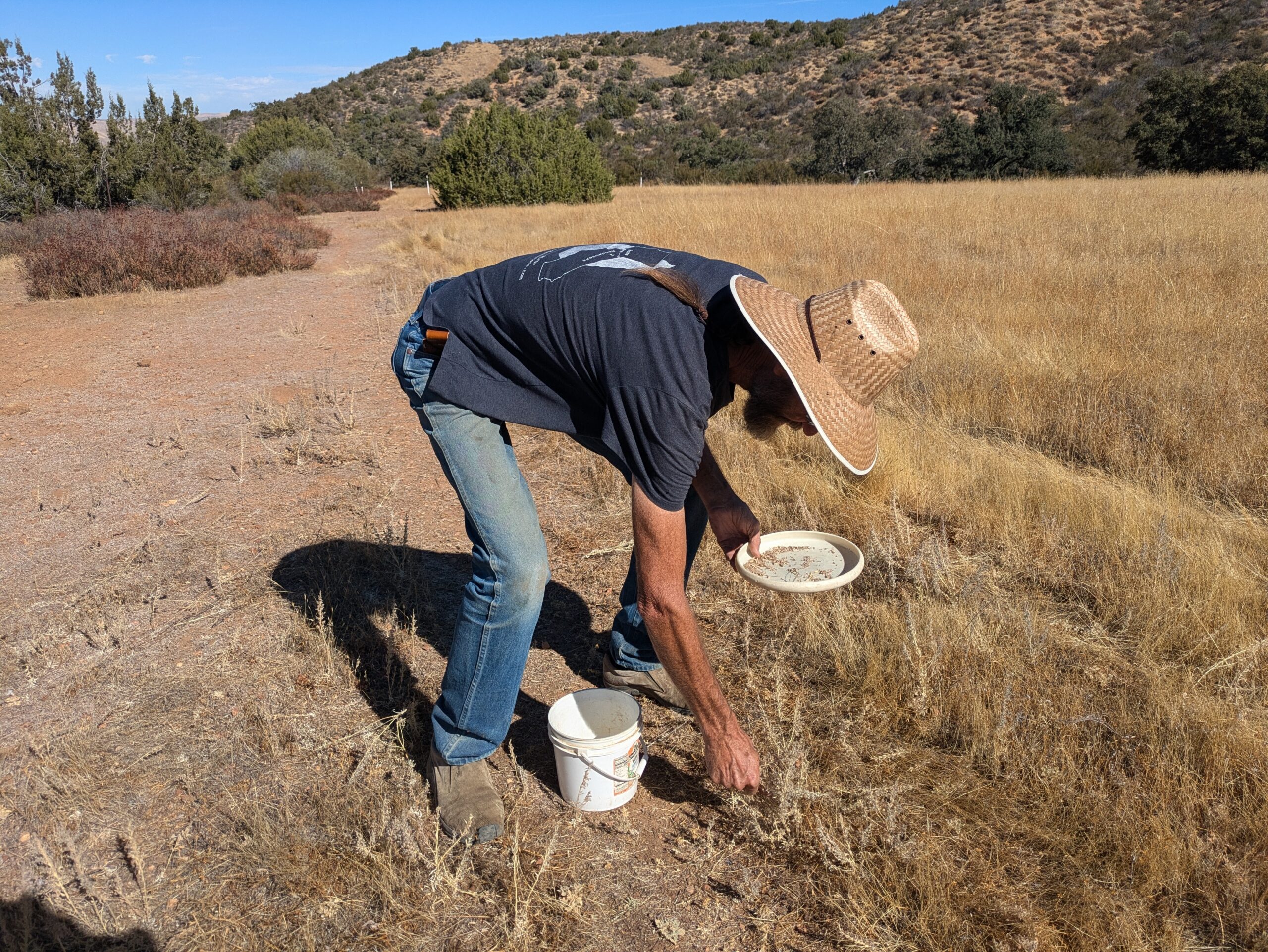
Brenton (Quail Springs) collects seeds for propagation. (Photo by Dongyi Wu)
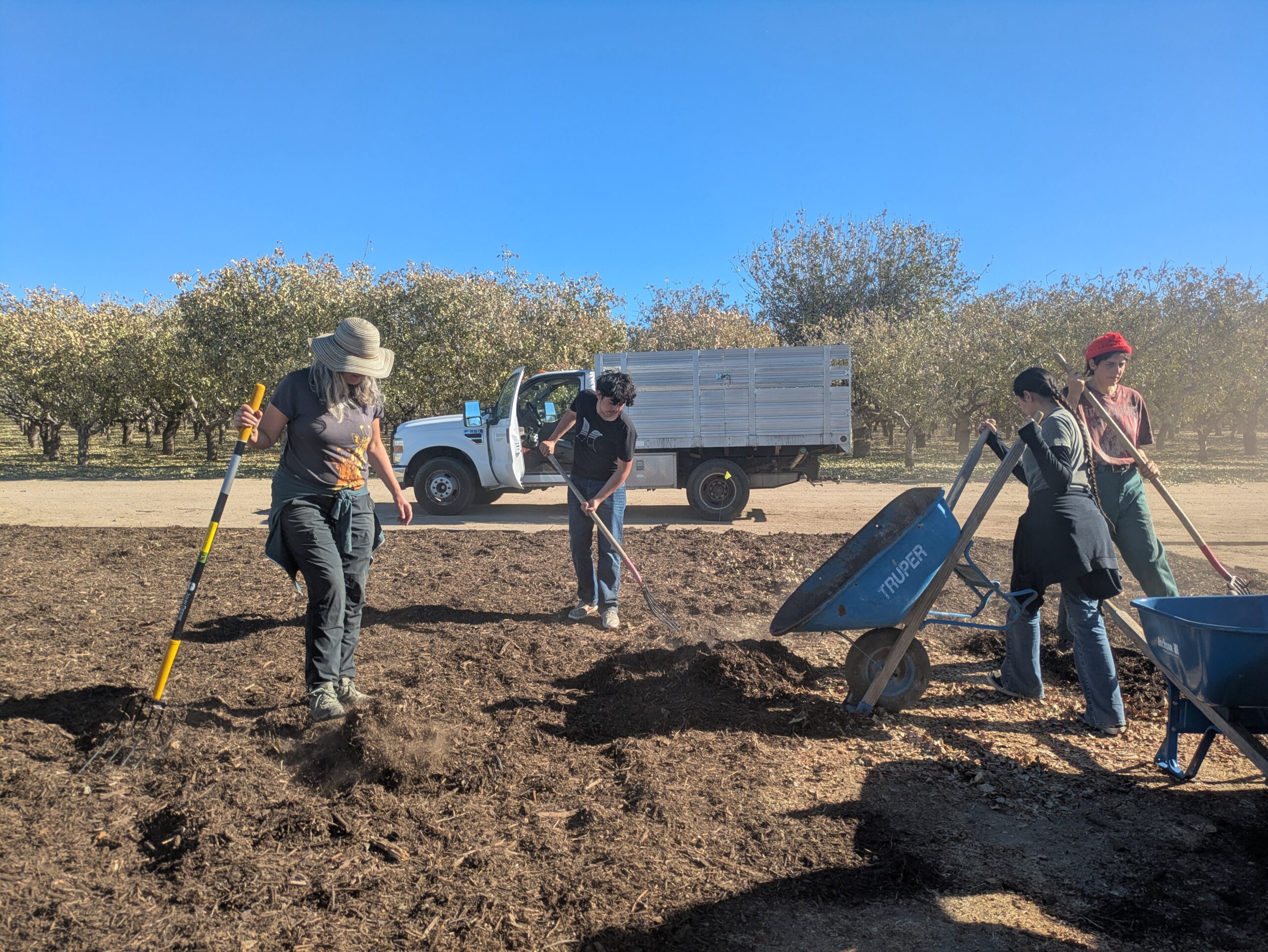
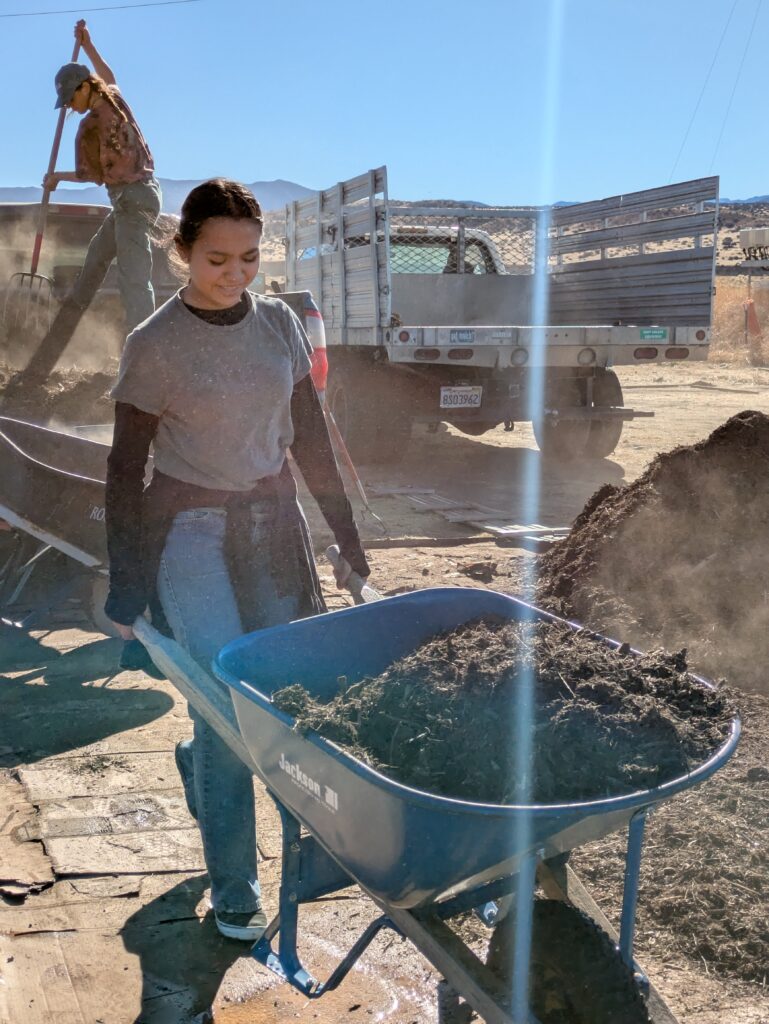
Denise and interns Joseph and Dabrya spreading mulch at Lewis Farm. (Photo by Dongyi Wu)
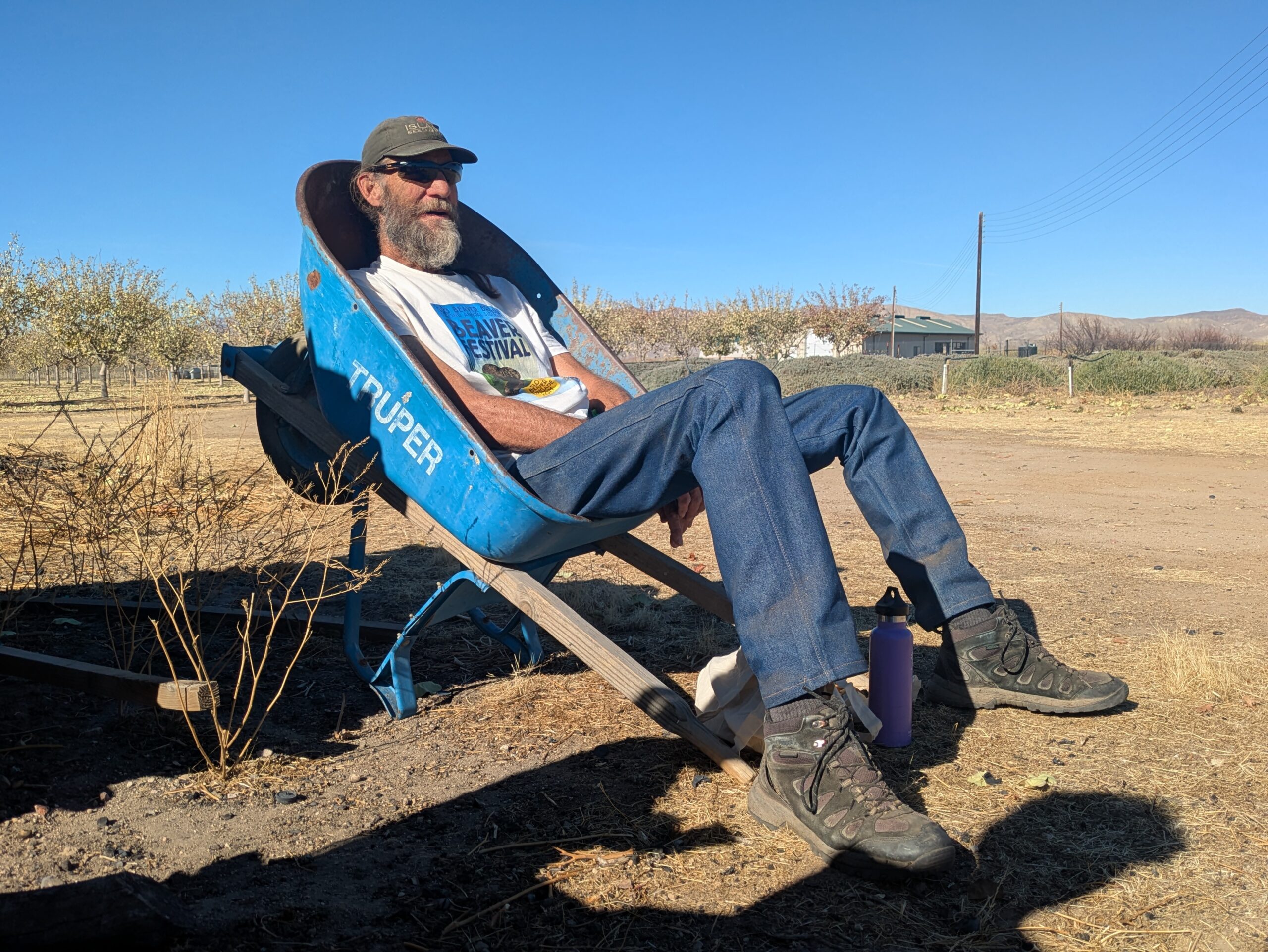
Brenton enjoying a much-needed break in a wheelbarrow after spreading mulch at Lewis Farm. (Photo by Dongyi Wu)
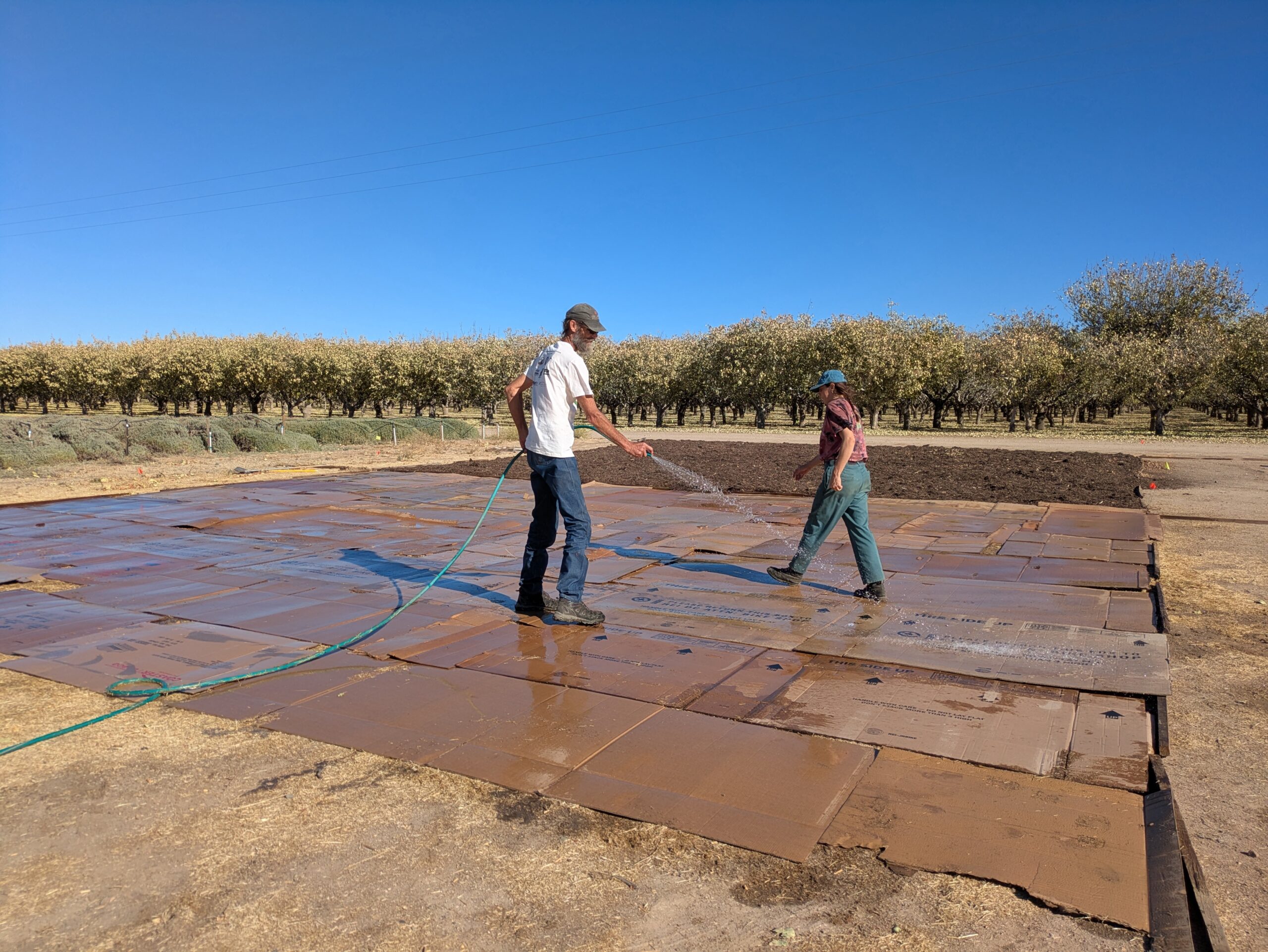
Laying down and soaking the next section of cardboard to prepare for mulching. (Photo by Dongyi Wu)
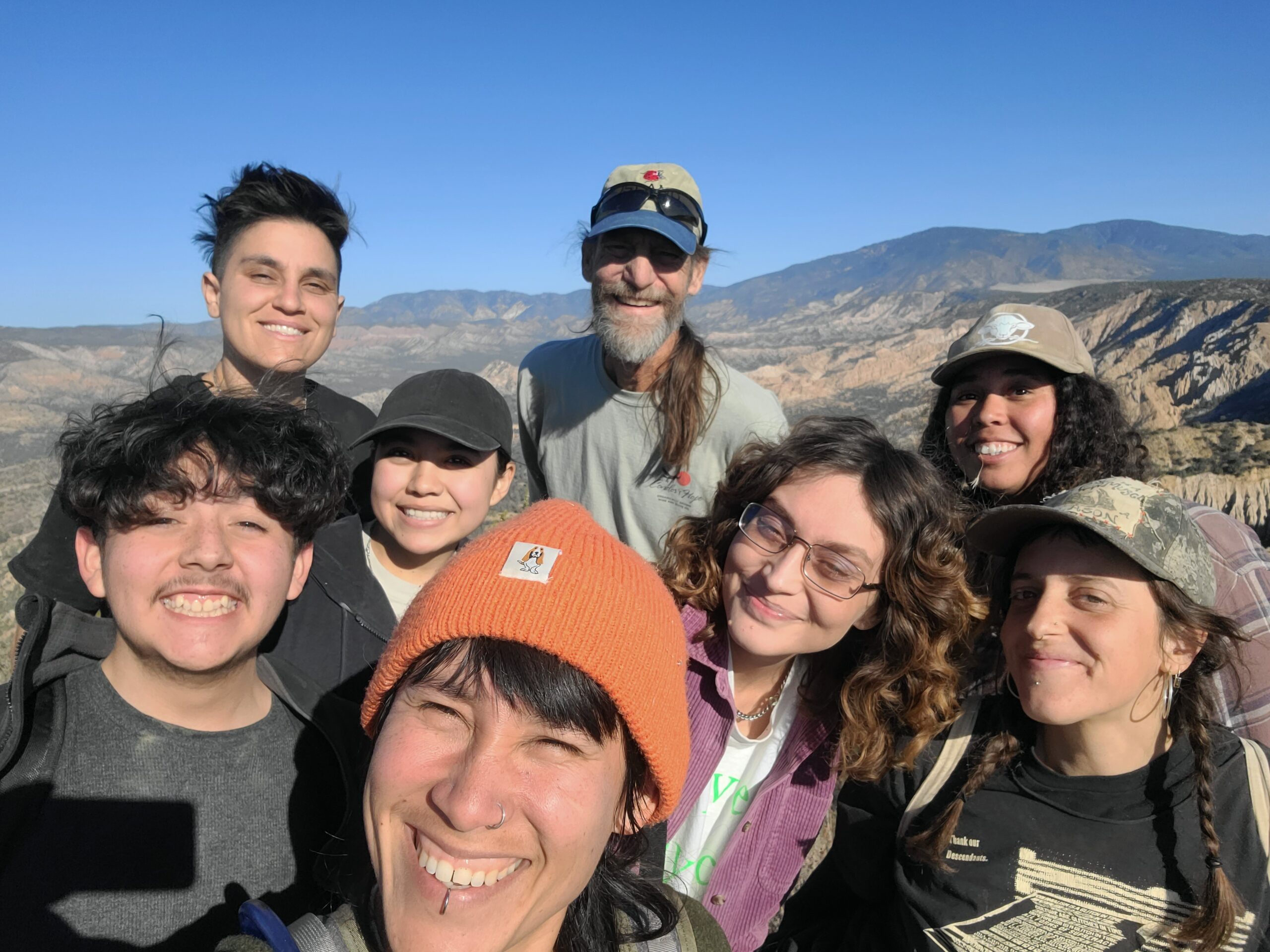
The Cuyama team enjoying a beautiful hike and making memories. Thank you, team! (Photo by Amy Yuelapwan)
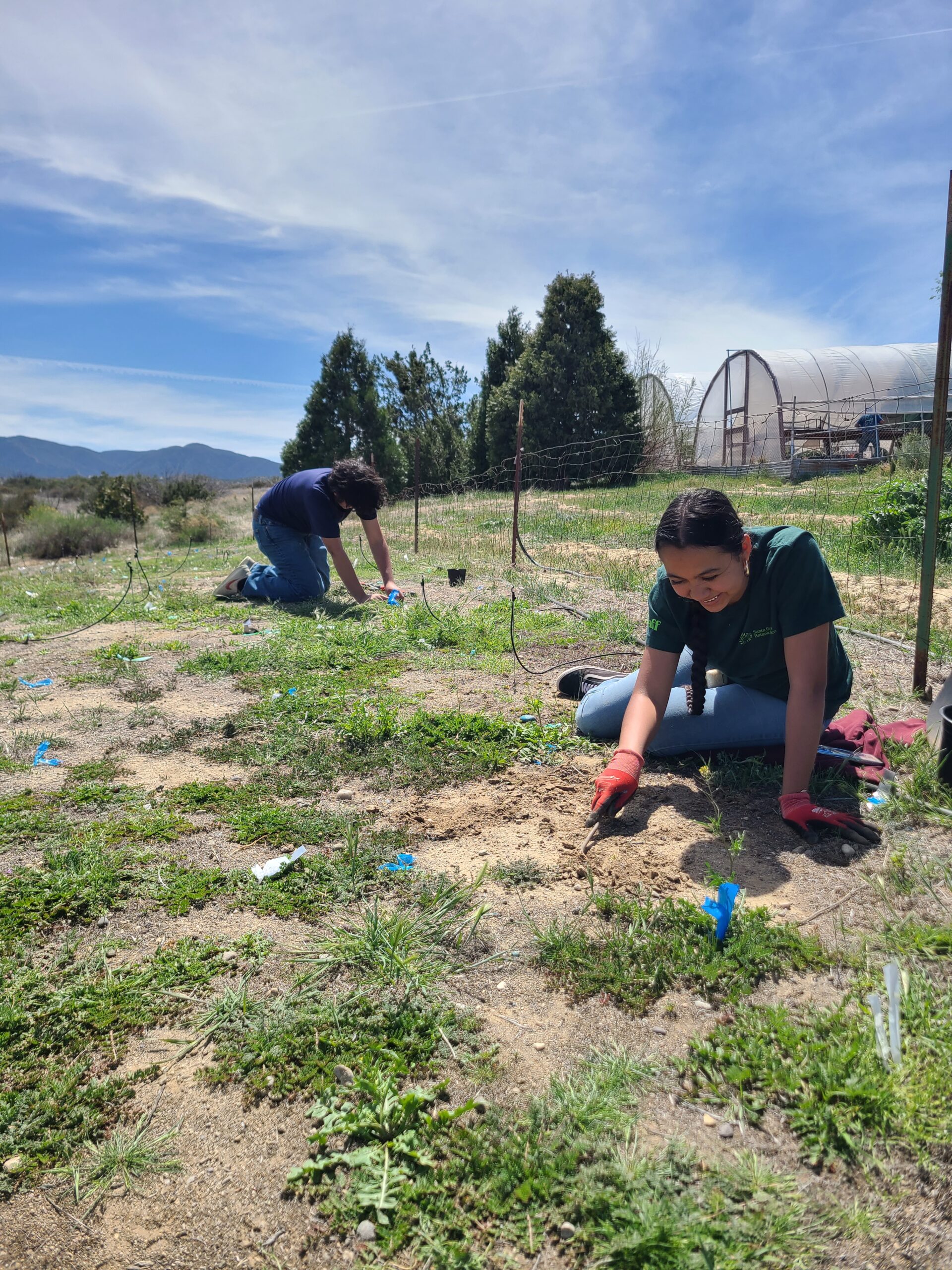
Garden interns, Joseph and Dabrya, helping by prepping the next site (Photo by Amy Yuelapwan)
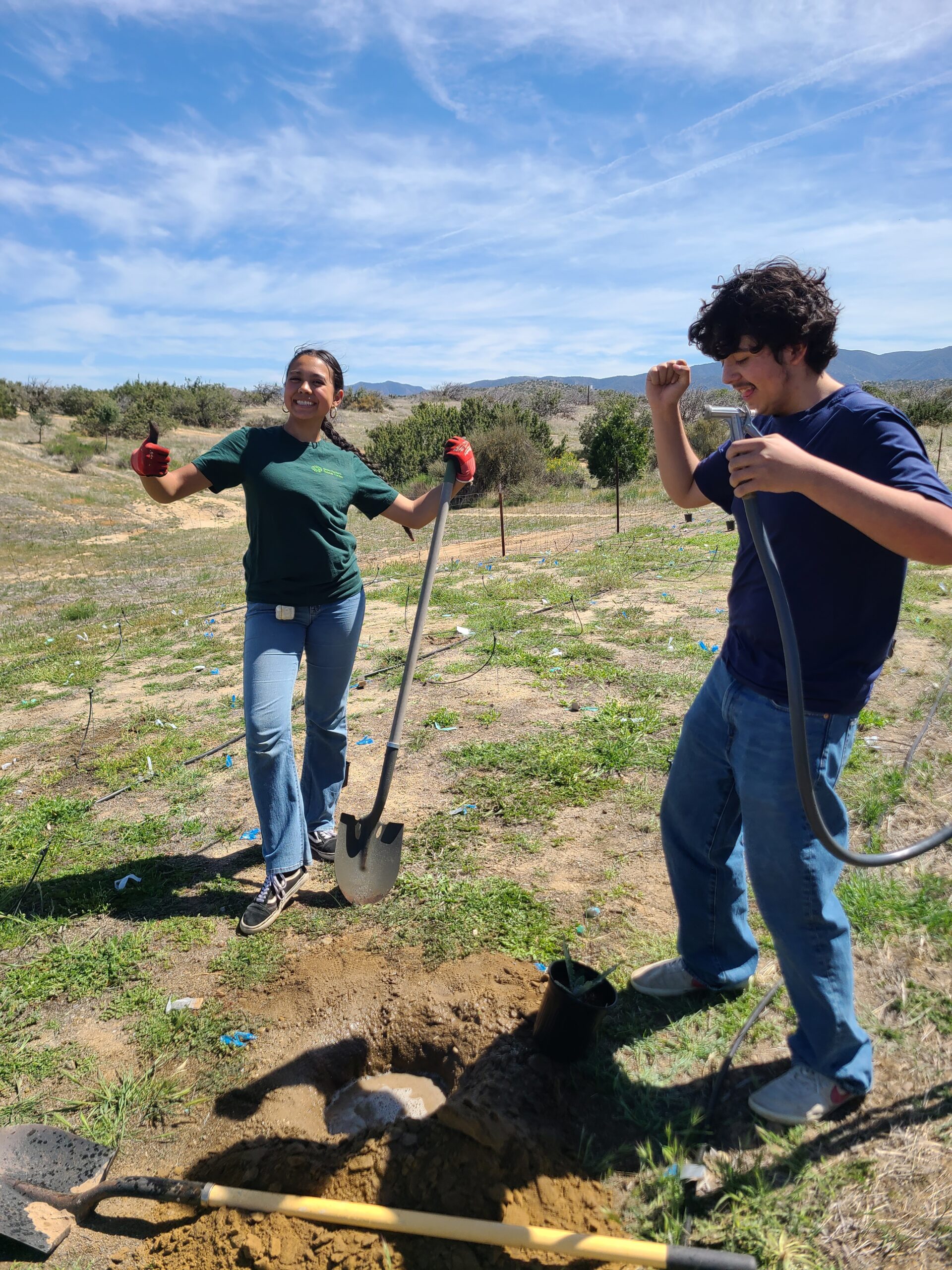
Interns Joseph and Dabrya, celebrating their hard work after digging holes for native plants. (Photo by Amy Yuelapwan)
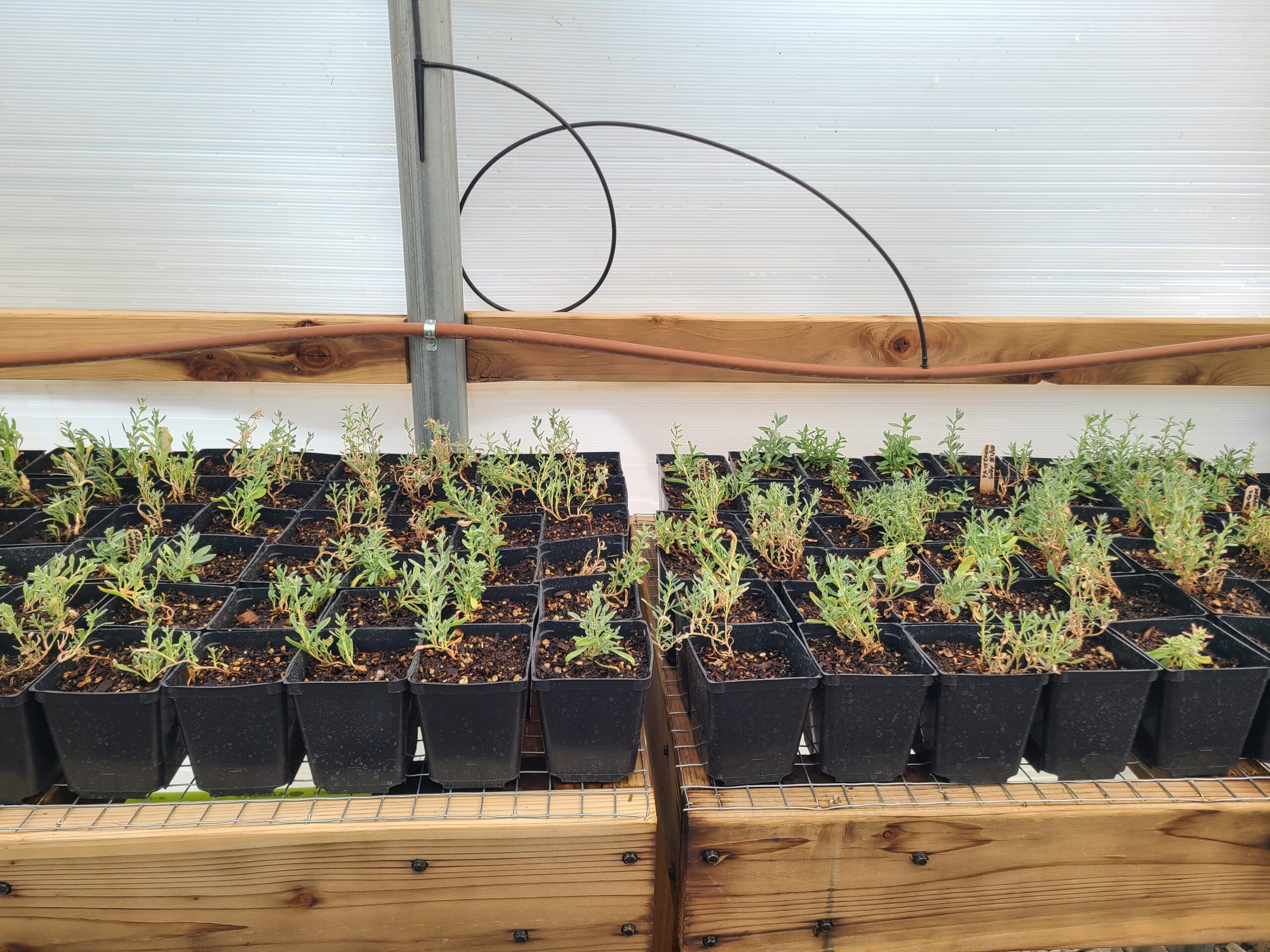
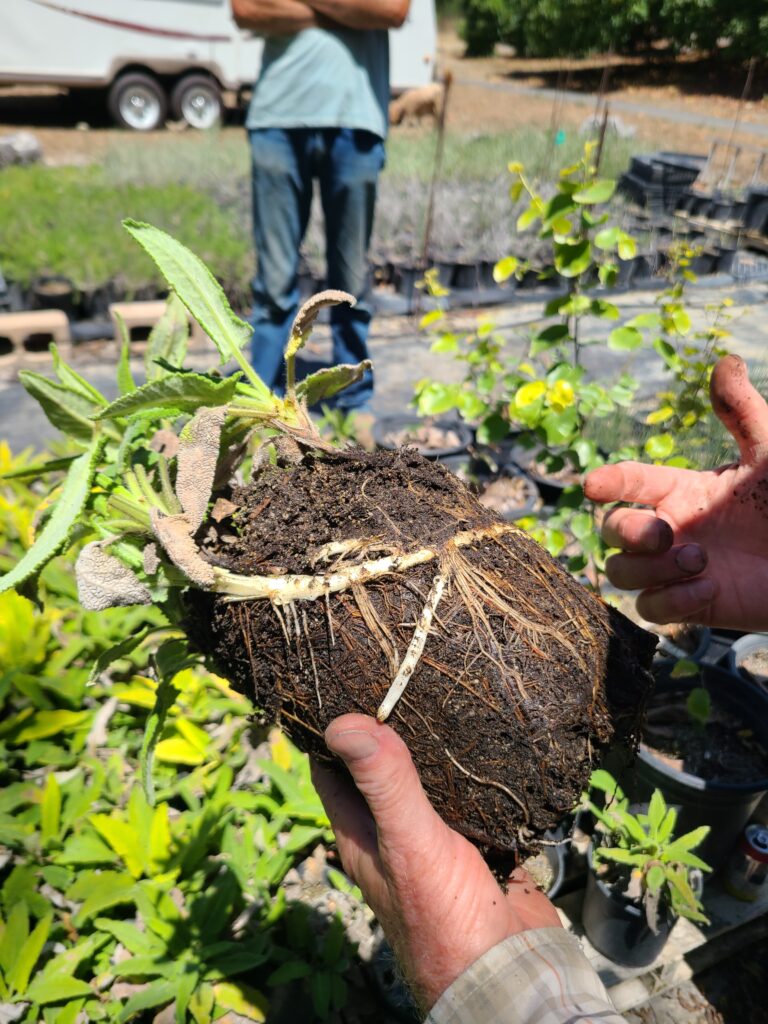
Native plants growing in a greenhouse. Almost ready to be transported and planted. (Photo by Amy Yuelapwan)
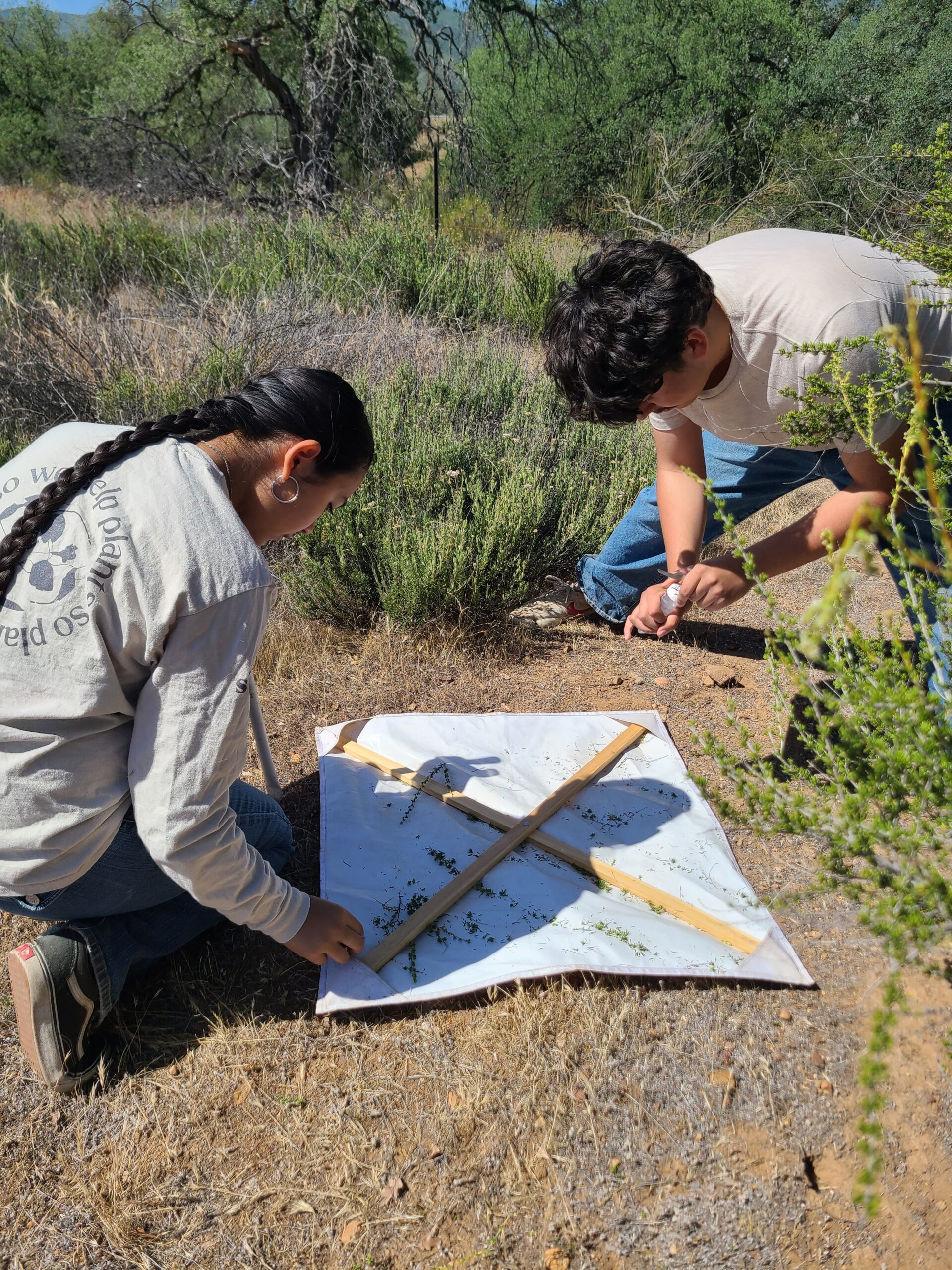
Need caption—- (Photo by Amy Yuelapwan)
“This grant is a wonderful opportunity to implement beneficial conservation measures and prevent the establishment and spread of invasive weeds on fallowed land in Cuyama,” said Denise Knapp, Ph.D., former Director of Conservation and Research at the Garden. “Together with our partners, we’ll be rallying the community in a variety of ways to spread the word about the power of native plants in multiple landscapes.”
Becoming Water Wise
Tackling a Water Crisis in Cuyama Valley
The Cuyama Valley is a quiet, high-desert farming region that has struggled with water scarcity for decades. In fact, it is one of California’s most groundwater-withdrawn areas. Groundwater pumping has far outpaced natural replenishment, leading to steadily declining water tables. With no other water sources available, this shortage jeopardizes the livelihoods of local farmers and ranchers who depend entirely on groundwater for irrigation. Through this landscape transformation project, we’re showing how sustainable practices, such as the use of native plants, can help save water and support healthier farms.
Many of us are facing similar issues right in our home gardens. That’s why the Garden created a comprehensive guide to help you select water-wise native plants best suited for your site. Have a look!
Growing Crop Resilience
How Native Plants Support Agriculture
California farmers are essential, but they face increased pressures, particularly related to water scarcity and environmental challenges. In the Cuyama Valley, the Garden is working with small farms to integrate native plants into their fields and borders. These “native habitat buffers” require no irrigation, support pollinators, reduce soil loss, and can make farms more resilient.
With custom-tailored programs for each farm, together we’re demonstrating how sustainable agriculture can protect biodiversity, conserve water, and strengthen communities.
Partners & SPonsors
Together We Can Grow
Bringing this landscape transformation to life in Cuyama Valley demands that we work together. While the Garden is spearheading this initiative, we couldn’t do it without the support of the Cuyama Valley community and our incredible partners, including the USDA’s Natural Resources Conservation Service (NRCS)*, Quail Springs, the Cuyama Valley Family Resource Center, Cuyama Joint Unified School District, local farmers, and Cuyama Buckhorn restaurant.
*USDA is an equal opportunity provider, employer, and lender.
Follow Our Blog Updates
-
Meet the Next Generation of Conservation Heroes in Cuyama Valley
For a while there, we didn’t think we would find them. We were trying to attract two students in the tiny town of Cuyama to…
-
Growing Together: Local Teens, Farmers, and Plants Join Forces for a Greener Cuyama Valley
The U.S. Department of Agriculture (USDA), through its Natural Resources Conservation Service (NRCS), has awarded a significant $818,000 grant to Santa Barbara Botanic Garden for…
Meet the Team
-
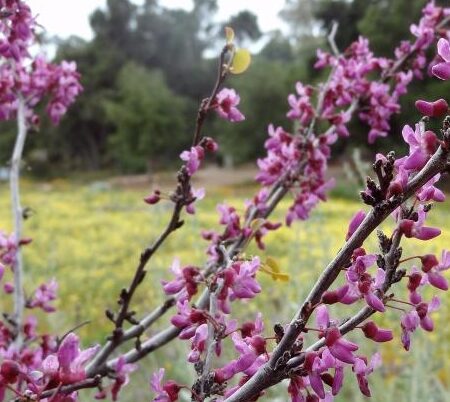 Breanna De LiraHabitat Restoration Technician
 -
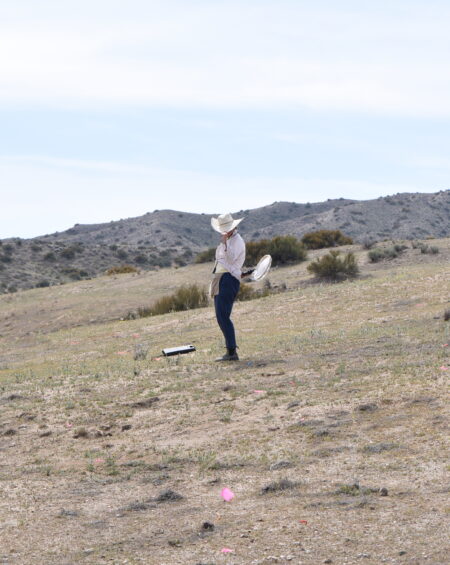 Terrestrial Invertebrate Conservation Ecologist
 -
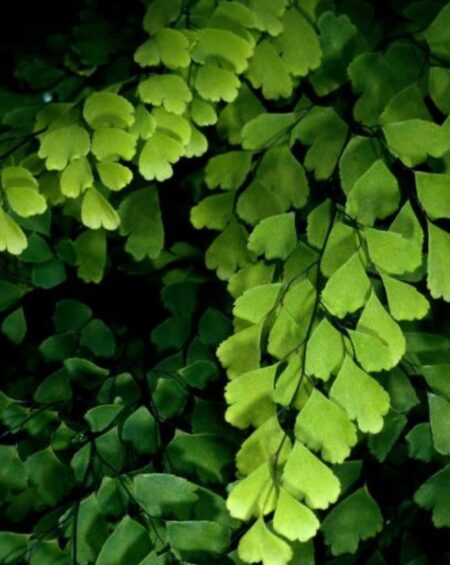 Stephanie Clark, Ph.D.Applied Ecologist
 -
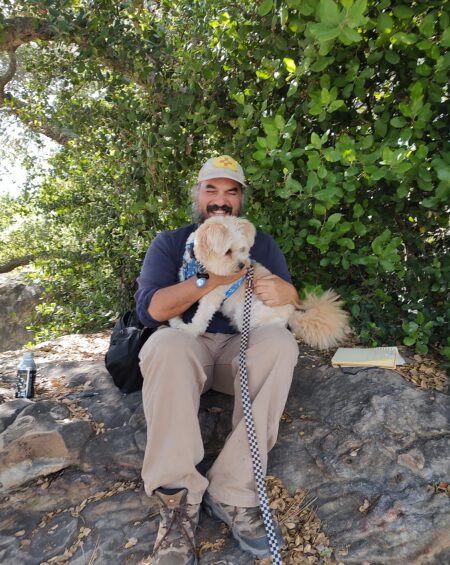 Terrestrial Invertebrate Conservation Ecologist