 Donate
Centennial Campaign
Investing in our future
From a Destination to a Movement
For nearly 100 years, Santa Barbara Botanic Garden has explored the deep connection between plants and people. We know native plants are the foundation of healthy ecosystems and offer real solutions to some of our greatest environmental challenges.
This is why we’ve developed a plan and a Centennial Campaign to inspire and empower everyone to plant with purpose, ensuring our landscapes are equally as beautiful as they are beneficial to our communities.
Contact
development team
805.682.4726, ext. 156
Why Us? Why Now?
The Garden has always been a place of inspiration, science, and impact. We are the first botanic garden in the U.S. dedicated solely to native plants, and from there we’ve built scientific expertise and trusted partnerships. We know native plants can mitigate the impacts of climate change — sequestering carbon, reducing the heat island effect, improving air and water quality — while also providing critical habitat for the many smaller forms of life that ensure ecological systems continue to function. So, as the world stands at a critical crossroads — with climate change accelerating, water becoming scarcer, fires growing more catastrophic, and more species coming under threat of extinction — the Garden will take on these complex problems that demand urgent and decisive action. Given that native plants are a powerful, accessible, and cost-effective solution to these issues, we are uniquely equipped to meet this moment.
We will continue to lead our community with impactful conservation, targeted advocacy, policy-driven research, and education that empowers every individual. Our expertise is critical in driving solutions that are good for plants, people, and the diversity of life. And we will amplify these efforts, to bring even more science-backed opportunities to our community and beyond.
The Garden is a rare common ground where science and beauty inspire action and reconnection with nature and one another. We’ve cultivated this. As a statewide research organization, living laboratory, and vital community resource, we’re ready to grow our impact.
Thank You to Our Supporters
Cat & Eric Allday
Jack & Amanda Amon
David & Lyn Anderson
Anonymous (2)
Anonymous-In Memory of Dr. Karin Van Hoek
Lane & Benjamin Bhutani Goedert
Gardner Grout
Dr. Randy and Rev. Anne Howard
James S. Bower Foundation
John & Ann Brinker
Frank Davis & Laura Haston
Ranney Draper & Eric Roinestad
Feingold Family Foundation
Friends of the Garden
Mark Funk & Jim Owens
John & Cristina Gabbert
Geoff Green
Griffiths Foundation
Valerie Hoffman
Hutton Parker Foundation
Tisha & Packy Jones
Carolyn Kincaid*
Kirby Jones Foundation
Paul Langh & Gregory Goodman
Mary Myers Kauppila
George & Laurie Leis
Art Levitt
Ethan & Nicole Lowry
Gelaré & Gabriel Macon
Hank & Mari Mitchel
Mithun Family Foundation
Max Moritz & Shelly Cole Moritz
Bibi & Bill Pesso
Robinson Foundation
The Gerry & Barbara Rubin Family
Lynn Scarlett
Victor & Susan Schaff
Helene Schneider
Peter Schuyler & Lisa Stratton
Dawn & Brian Seymour
Ann Steinmetz
Steinmetz Foundation
Linda & Clark Sterling
Stone Family Foundation
Walter J. Thomson and Holly O. Foundation
Nancy Weiss & Marc Chytilo
Diane & Mike Wondolowski
Wood-Claeyssens Foundation
Investing in Our Future
The Garden’s 100-year milestone launches our $30 million Centennial Campaign. We see it as a moment of celebration but also a time of transformation. It’s a reaffirmation of hope, action, and the power of native plants. Even further, it is an investment in a more resilient future for all. We are not starting from scratch — we are scaling what we know works.
- Programs that extend the Garden’s reach into home, school, and community landscapes so that everyone can be inspired to use more native plants
- A destination that is more accessible, inclusive, and future-ready so that we can continue to ensure the Garden is a first stop for building a relationship with native plants
- A stronger endowment to sustain the Garden’s work for the next 100 years
This campaign is a pledge to the lasting resilience of our ecosystems, our communities, and the world we leave behind.
Garden Entrance Renderings
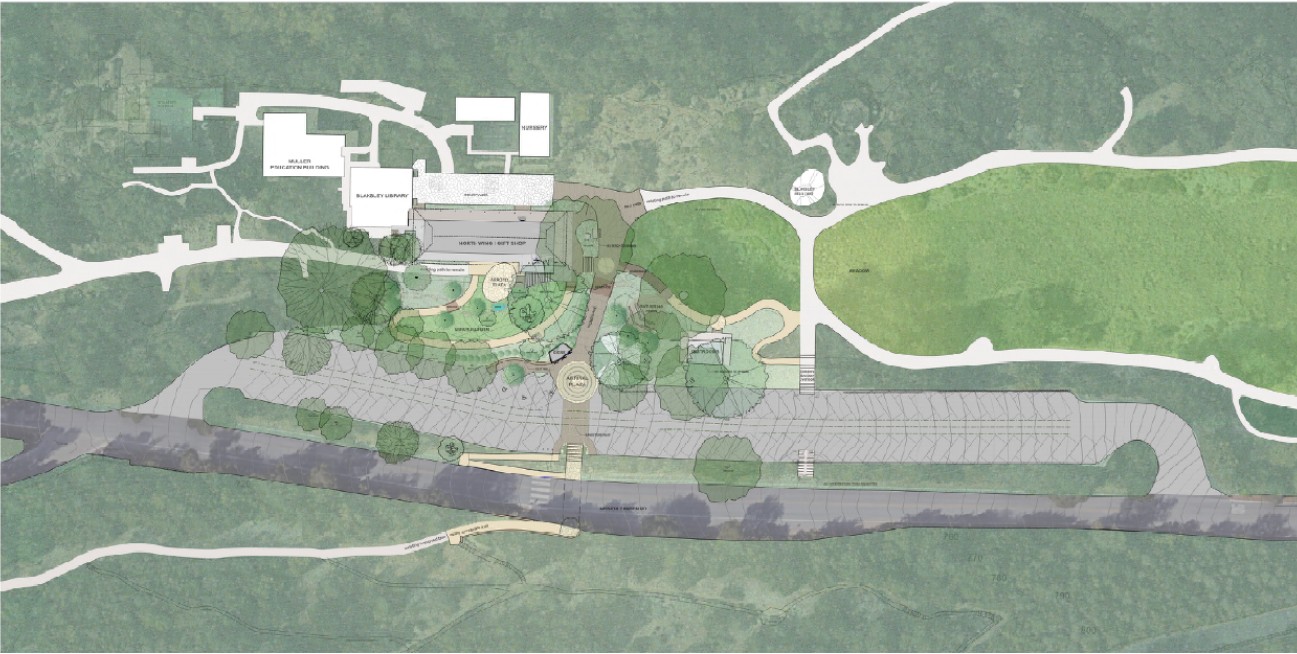
Site Plan: West side site plan showcasing remodeled parking, admissions, roadway crossing, and redesigned Arroyo section.
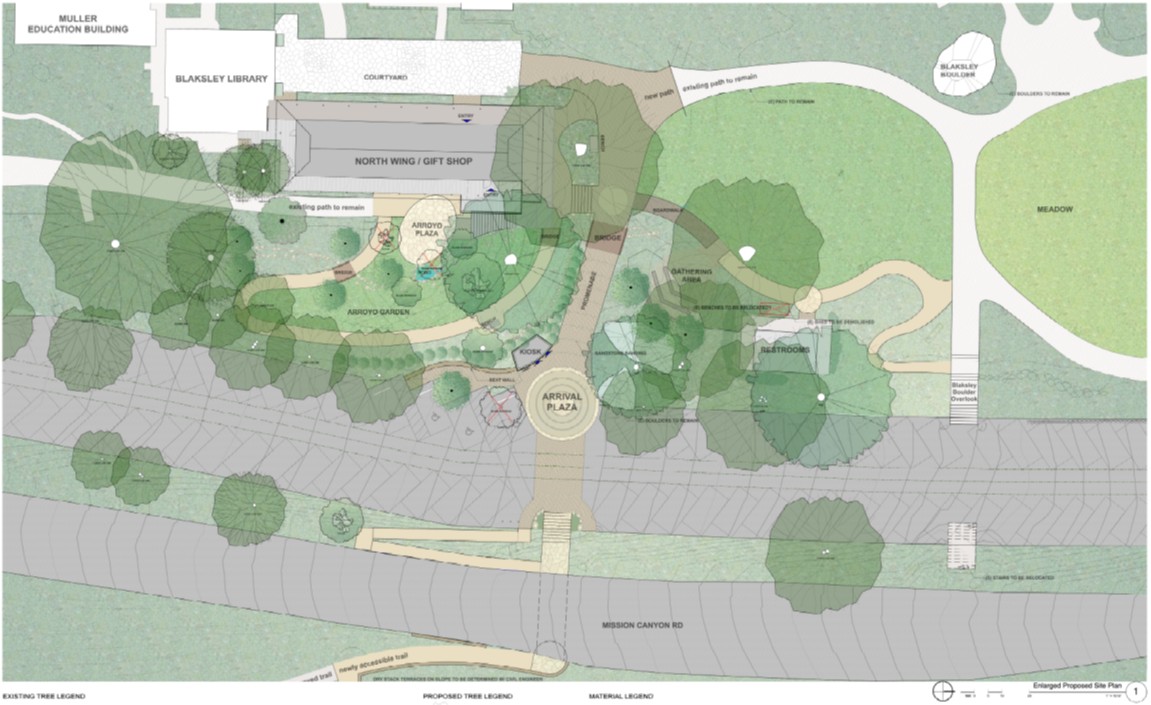
Site Plan Close Up: Closer look at the Garden’s reimagined front entrance and remodeled parking lot.
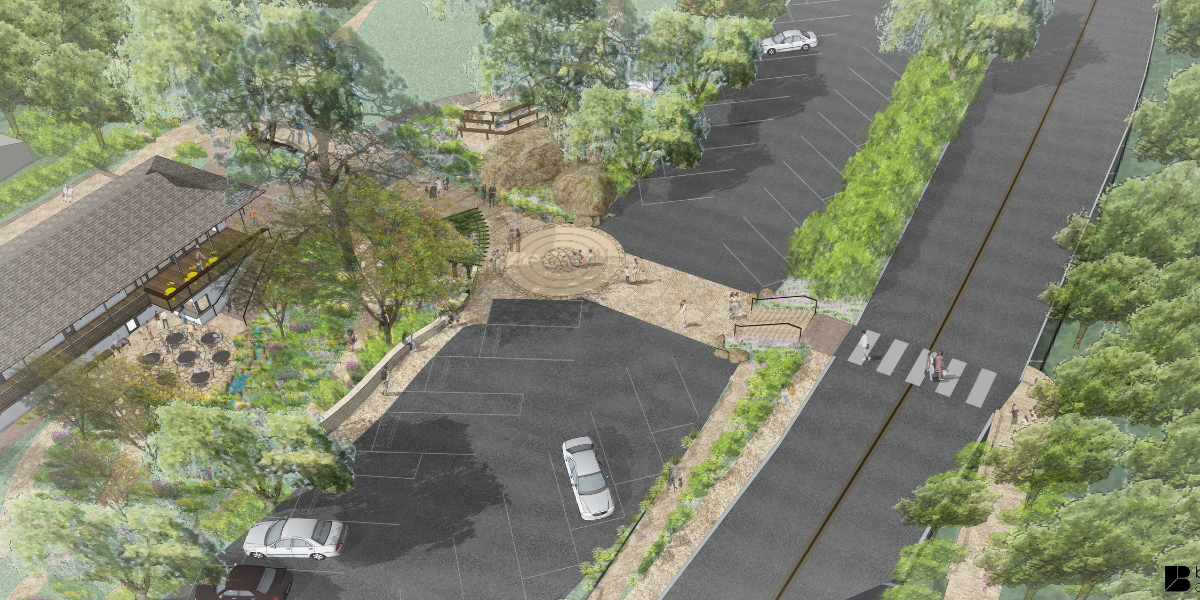
Parking Lot & Entry: A bird’s eye view of the Garden’s remodeled parking, admissions booth, and Mission Canyon roadway crossing.
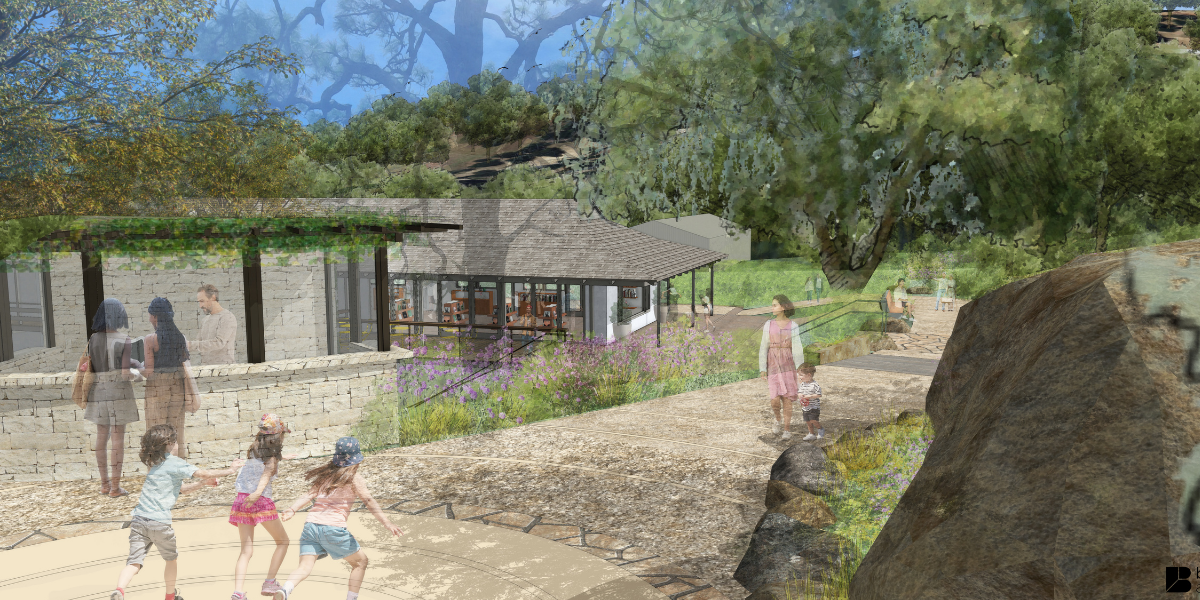
Front Entrance: A look at the front entrance and admission booth viewed from the parking lot.
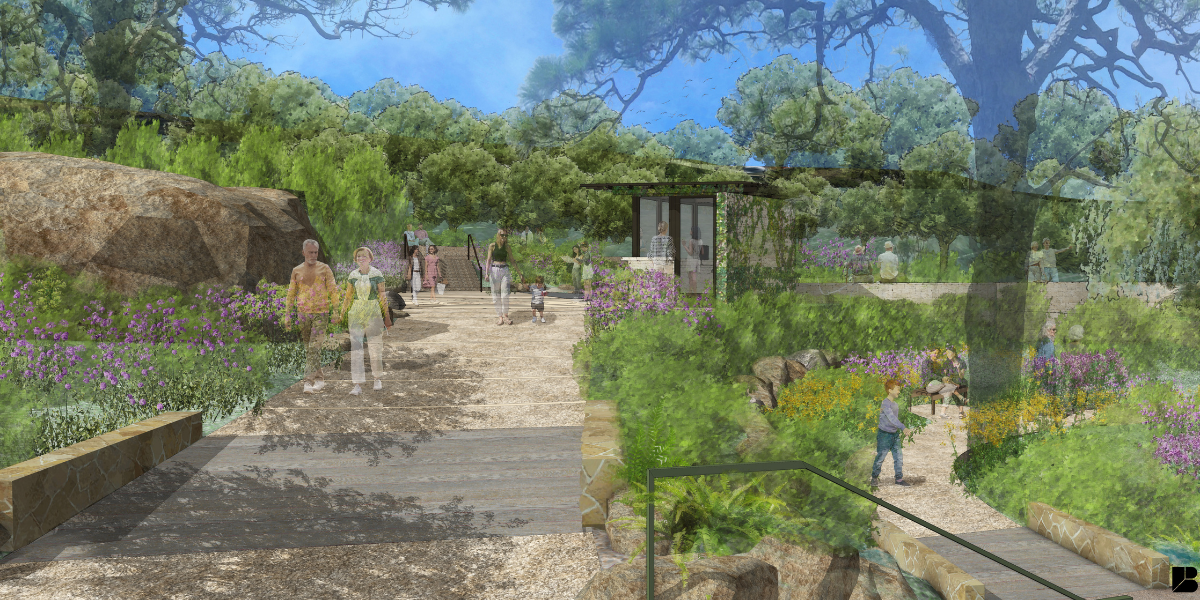
Front Entrance (East Facing): Just inside the entrance, a look at the admission booth and stairway leading to the east side of the Garden.
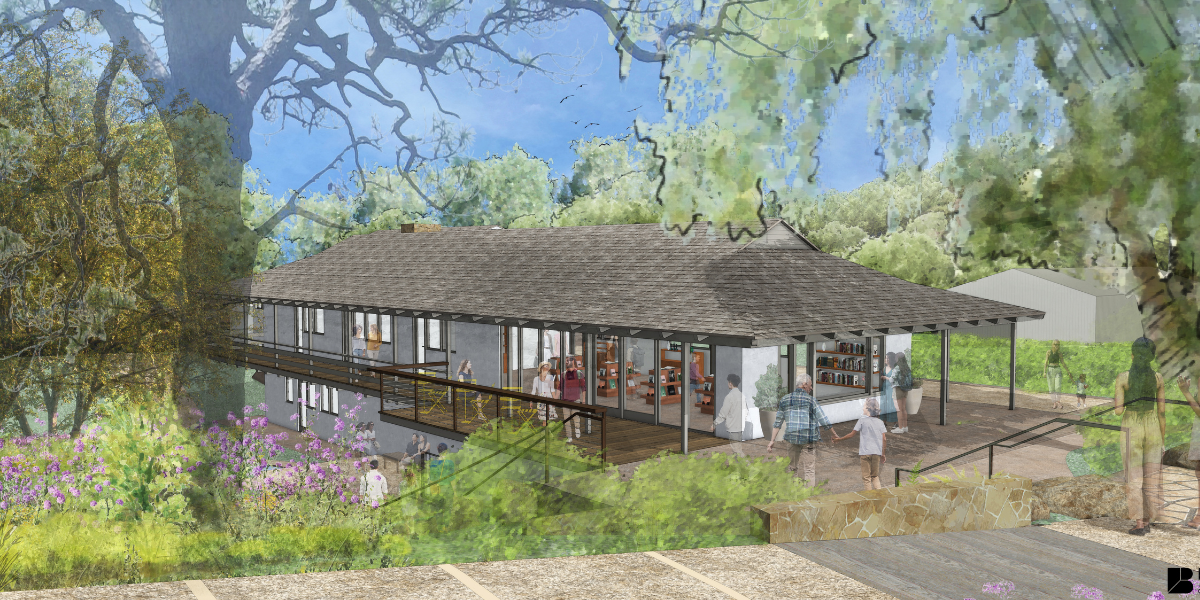
The Shop: From entrance, a look at our remodeled gift shop on the top floor of the north wing.
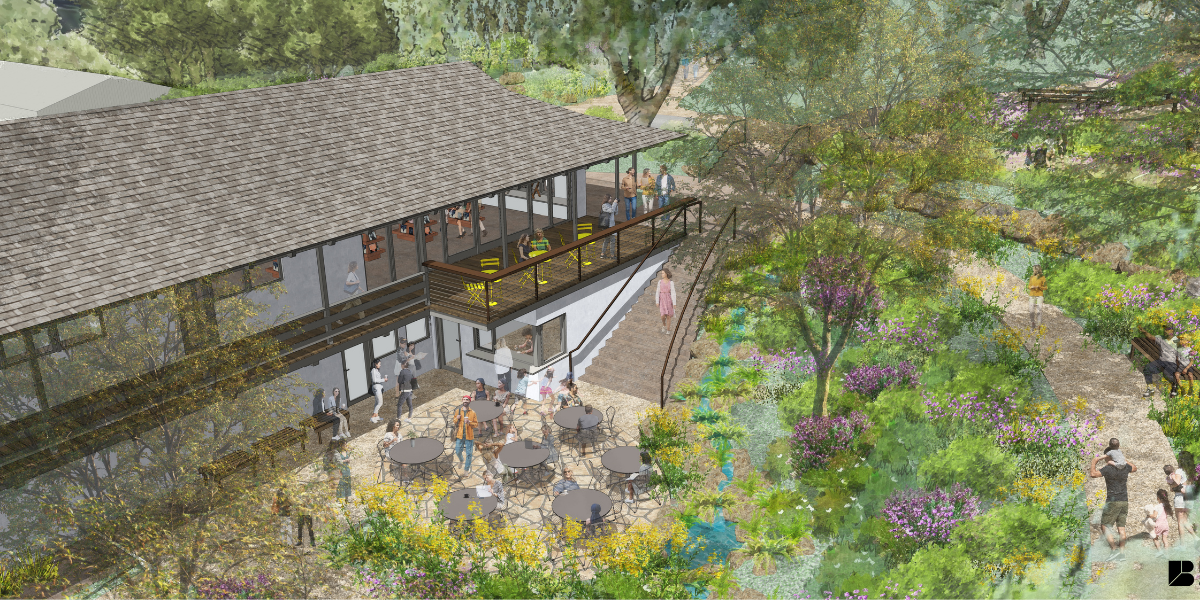
The Arroyo Patio: New ADA-compliant access to the Arroyo Section with a new patio and food service window on the lower floor of the north wing.
The Urgency is Real. The Solutions are Growing Here.
And with your support across each of the Garden’s Centennial Campaign pillars, our future will be rooted by native plants.
Connected Communities | $10M Programmatic
To make lasting change, we must meet people where they are, throughout our region, at home, in schools, and online. This investment will allow us to create demonstration gardens across our county, expand youth programs, train professionals, and share more of our research and knowledge with the world. Together, we’ll build a community that’s ready to protect and restore native plants everywhere.
Rooted in Place | $10M Capital
A renewed visitor center, along with improved and accessible pathways, will allow us to welcome broader audiences and help them understand the vital role native plants play in supporting the health and well-being of all life. A remodel (rather than removal) of our existing Garden Shop building into a Visitors’ Center will honor our history while providing the most cost-effective and time-efficient way to meet the needs of today’s guests and staff. The investment in accessibility will open new spaces for learning and exploration, creating moments of wonder that shift perspectives, inspire action, and deepen the lasting connection between people and native plants.
A Legacy for the Future | $10M Endowment
Native plants are essential to healthy communities, and so is the long-term support needed to protect them. By strengthening our endowment, we will secure lasting resources for research, education, advocacy, and conservation leadership. This campaign provides immediate investment while also growing the endowment for the future through gifts made via wills, trusts, and estates. Together, we will ensure the Garden’s mission and the native plants we protect continue to thrive for generations to come.
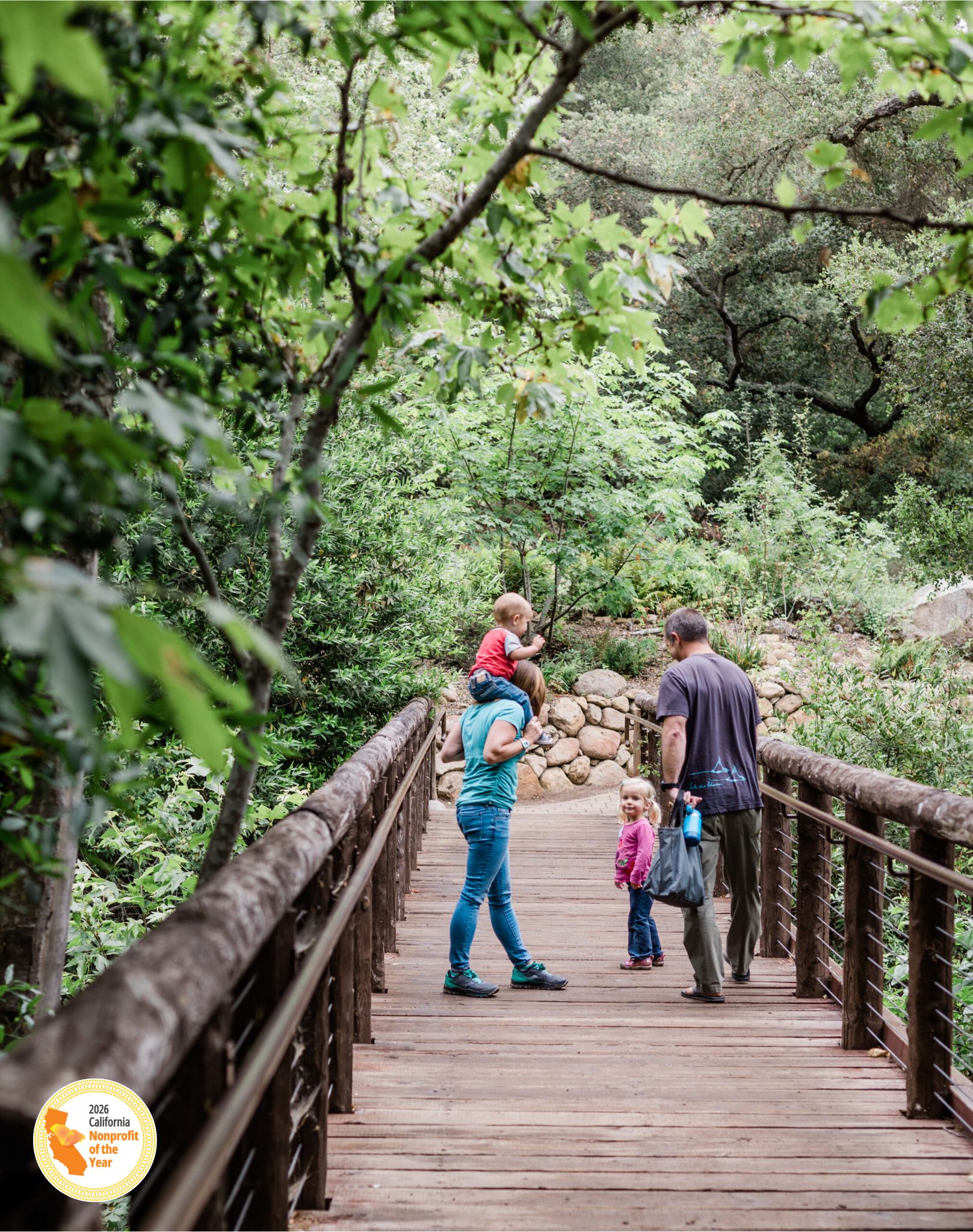
Rooted in Purpose & Leading the Next Chapter
A century ago, a seed was planted, and generations have helped grow that into a native plant movement. We are beyond proud of what we’ve built together. But, as California faces growing environmental challenges, it is clear the work must continue. We’re ready and we’re leading with impact — through our trusted partnerships, ever-growing base of knowledge, and unwavering commitment to conservation.
The time is now to join the movement. The future starts with you!
Campaign Committees
We are proud to recognize the supporters who are making this campaign possible. Their generosity, commitment, and belief in the Garden’s mission help us continue to have a meaningful impact in our community.
Steering
- Mark Funk, Co-Chair
- Nancy G. Weiss, Co-Chair
- Emily Engel
- Lane Bhutani Goedert
- Geoff Green
- Valerie Hoffman
- Tisha Jones
- George Leis
- Art Levitt
- Eileen White Read
- Helene Schneider
- Peter Schuyler
Honorary Advisory
- David H. and Lyn Anderson
- Jeanne and Robbie Anderson
- Ed and Sue Birch
- Sharon and David Bradford
- John and Ann Brinker
- Amelie Draper
- John and Cristina Gabbert
- Sarah Berkus Gower
- Ashley Hollister
- Dr. Randy and Rev. Anne Howard
- Chris and Marisa Parker
- John M. Wiemann
Project Contractors
- Blackbird Architects
- Flowers & Associates
- Frank Schipper Construction Co.
- Van Atta Associates
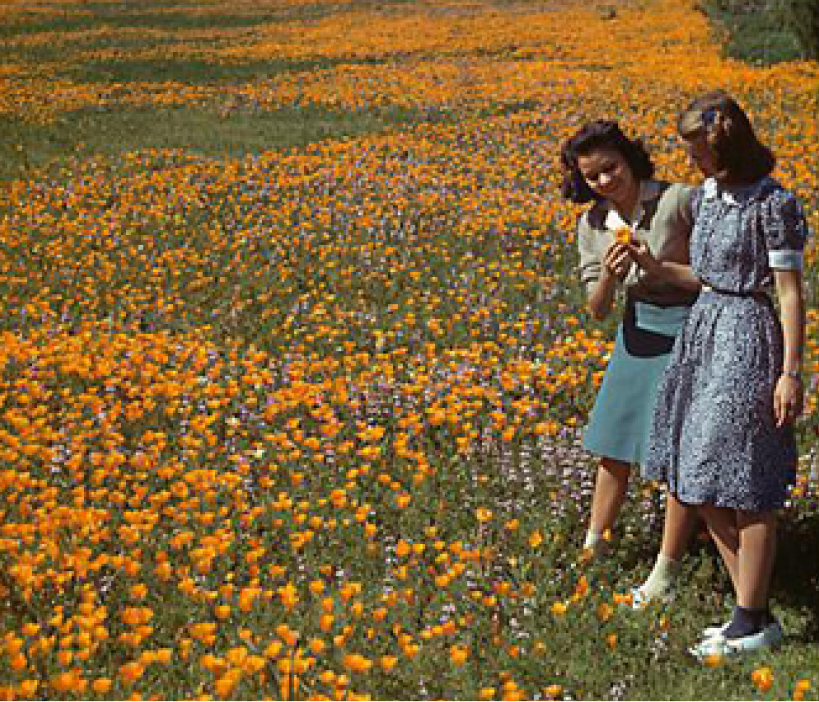
100 Years of Community & Conservation
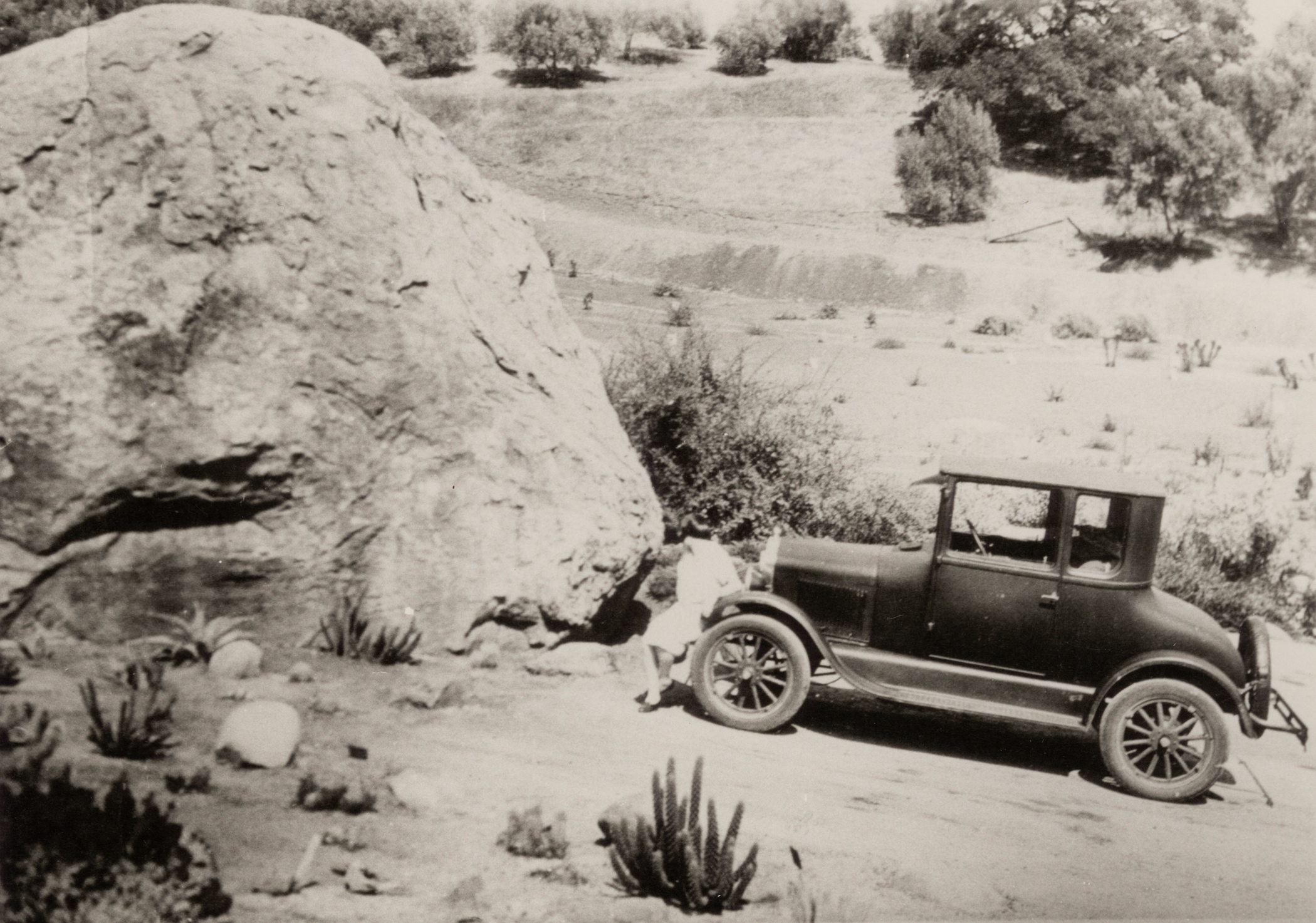
1926
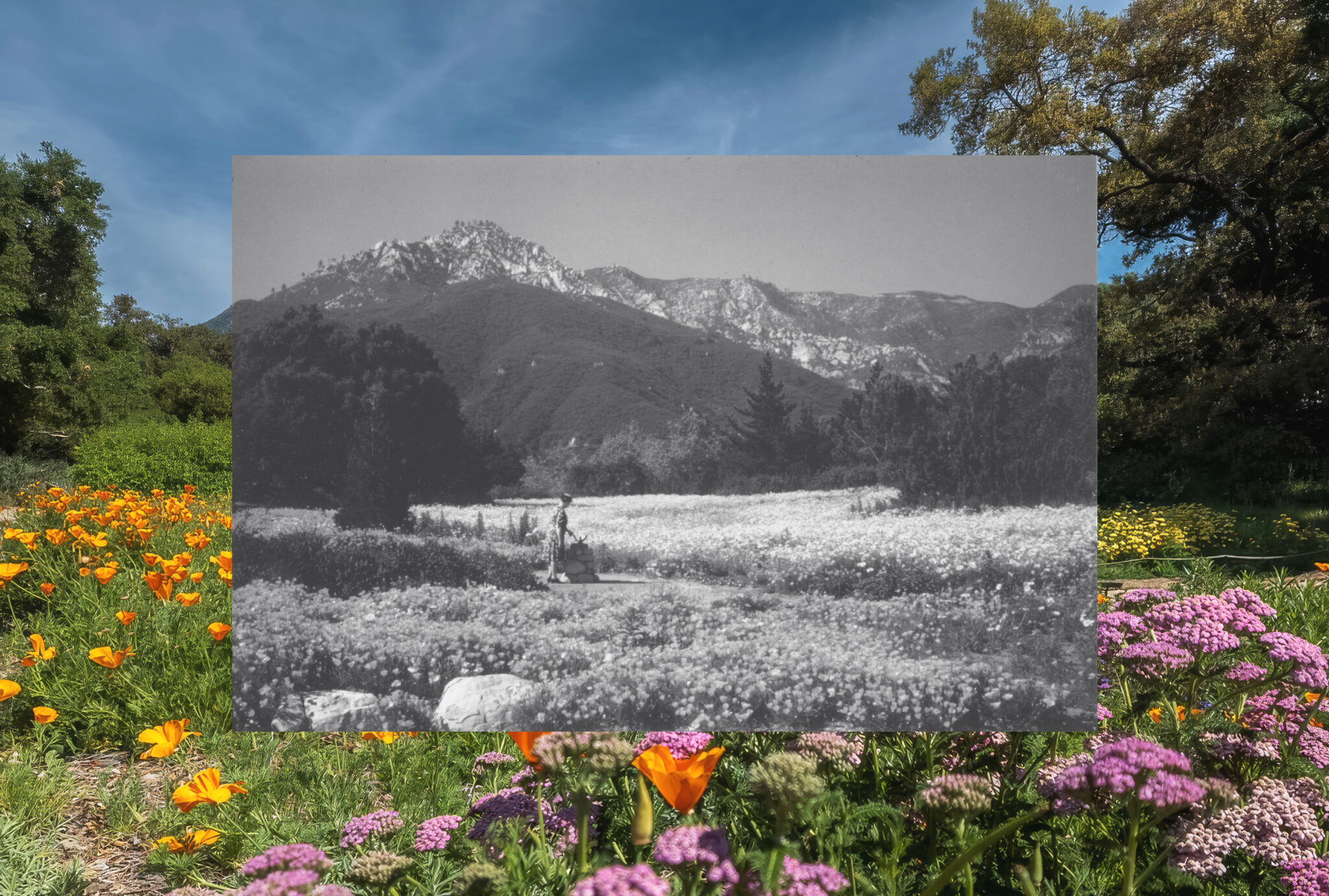
The 13-acre (5-hectare) Blaksley Botanic Garden was founded as an extension of the Santa Barbara Museum of Natural History with the intention to be a research and educational institution. Even in these early years, the Garden focused on native plants to showcase their beauty and suitability for private gardens, encouraging the use of drought-tolerant plants to conserve California’s water supply. Early sections of the Garden included the Meadow, the Meadow Oaks, the Desert Community, the Arroyo, and the Island Trail.
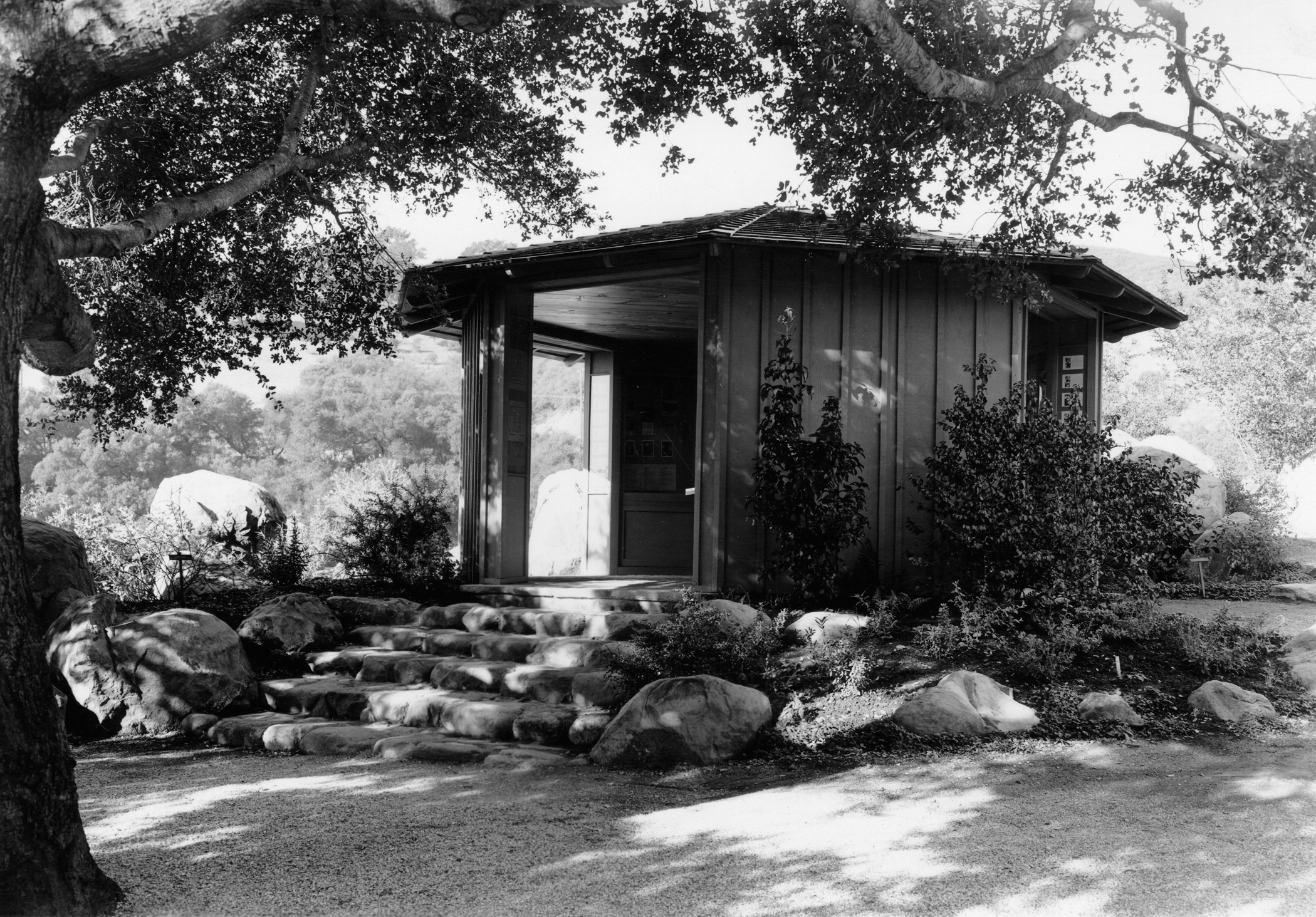
1930s
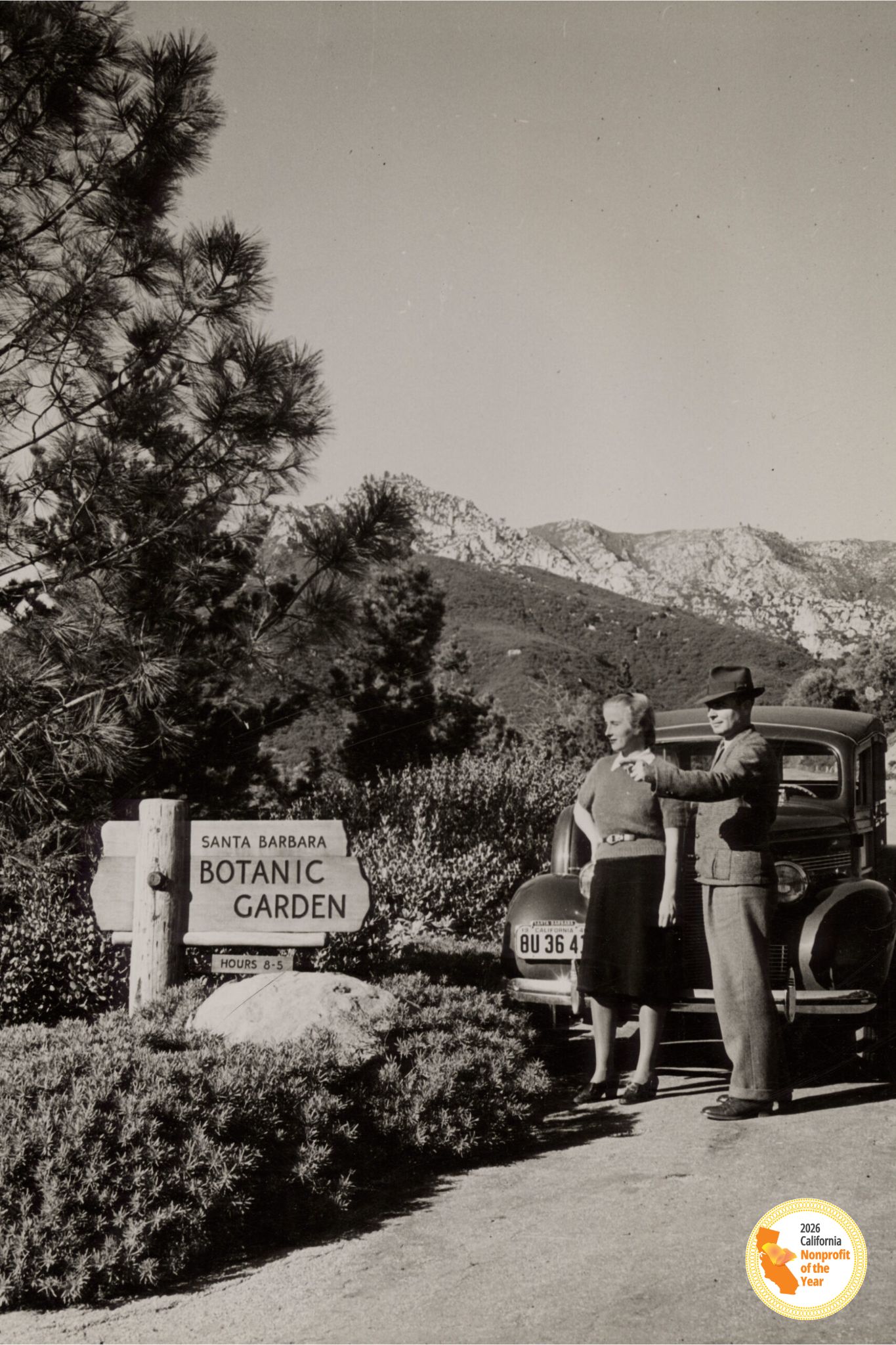
The Garden expanded with a new Information Kiosk built and designed by architect Lockwood de Forest Jr., as well as fresh trails and sections, including the Forest Section, Redwood Section, and Canyon Trail. In 1939, the Garden separated from the Santa Barbara Museum of Natural History and became an independent nonprofit organization carrying the new name Santa Barbara Botanic Garden.
1940s
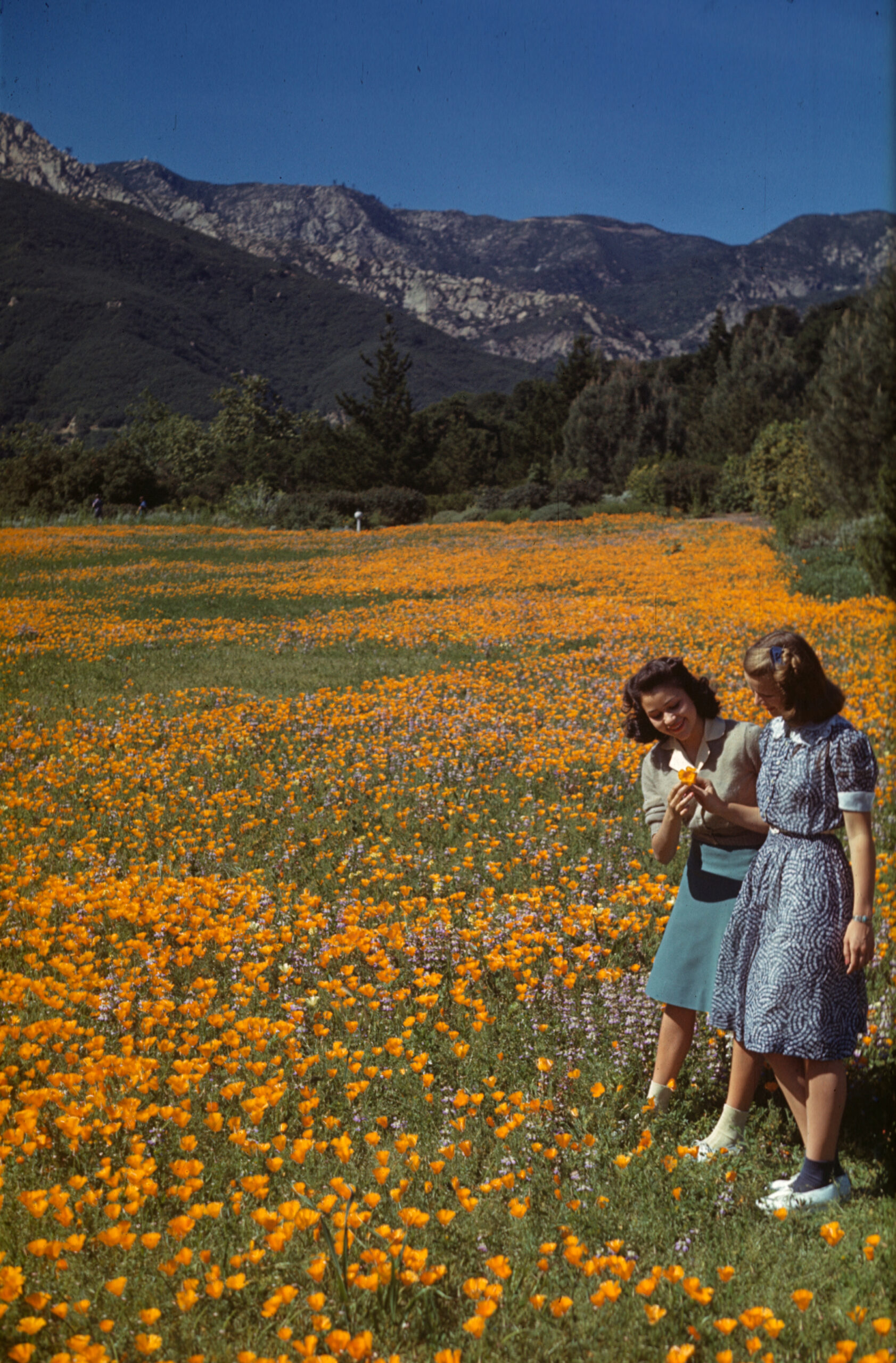
With the purchase of property from the Santa Barbara Mission, which included the historic Mission Dam, built in 1806, the Garden expanded the visitor experience. It also gained national recognition as a center for native plant display and education, despite challenges during World War II. In 1941, the Blaksley Library was built to provide greater information and more resources for the conservation and horticultural use of native plants, and by the end of the decade, it had expanded to 50 acres (20 hectares).
1950s
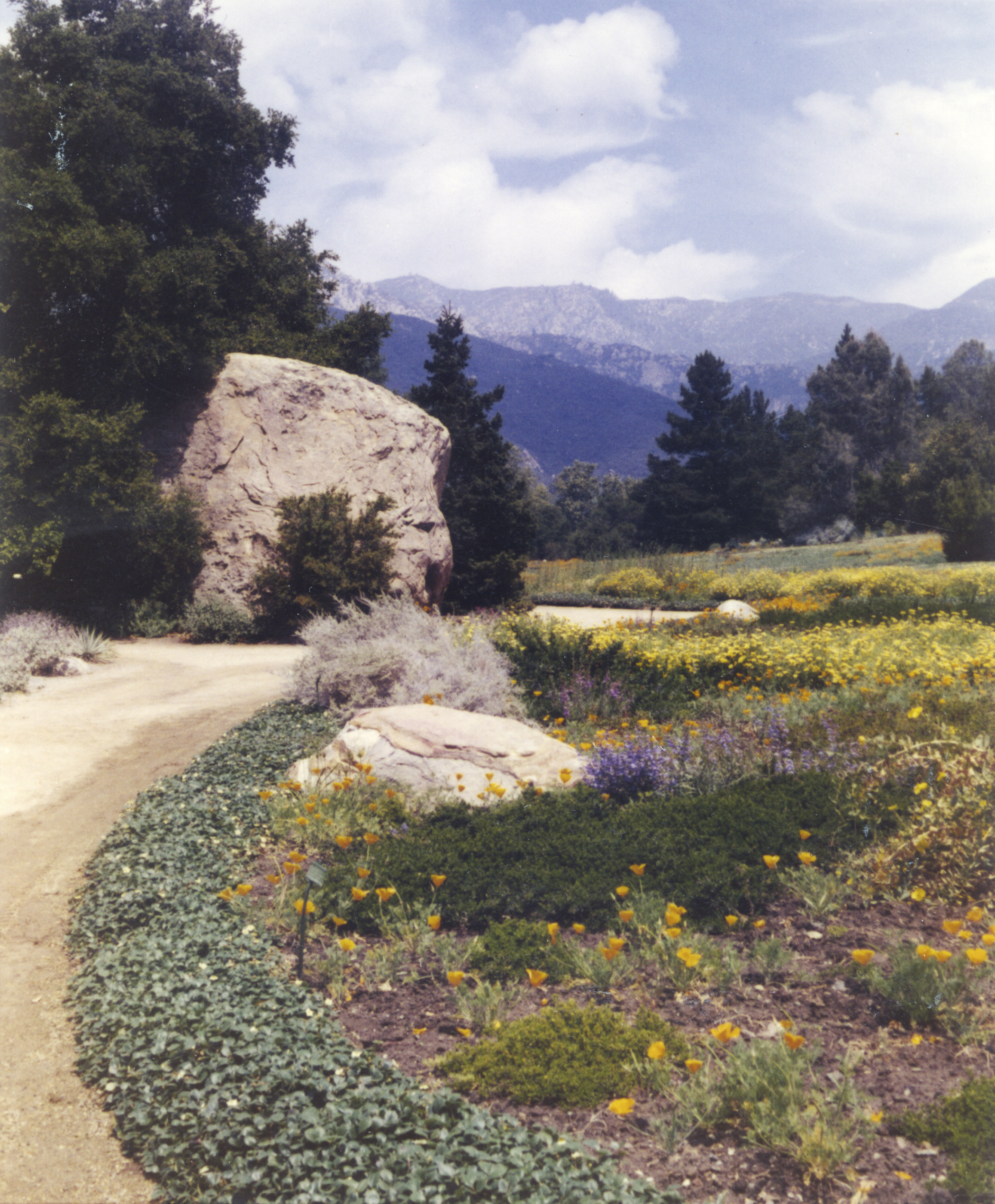
Dr. Katherine K. Muller began as director, ushering in an era of impact, centered on community outreach, education, plant breeding, and horticultural and botanical research. Key garden sections were also further developed, enhancing biodiversity representation.
1960s
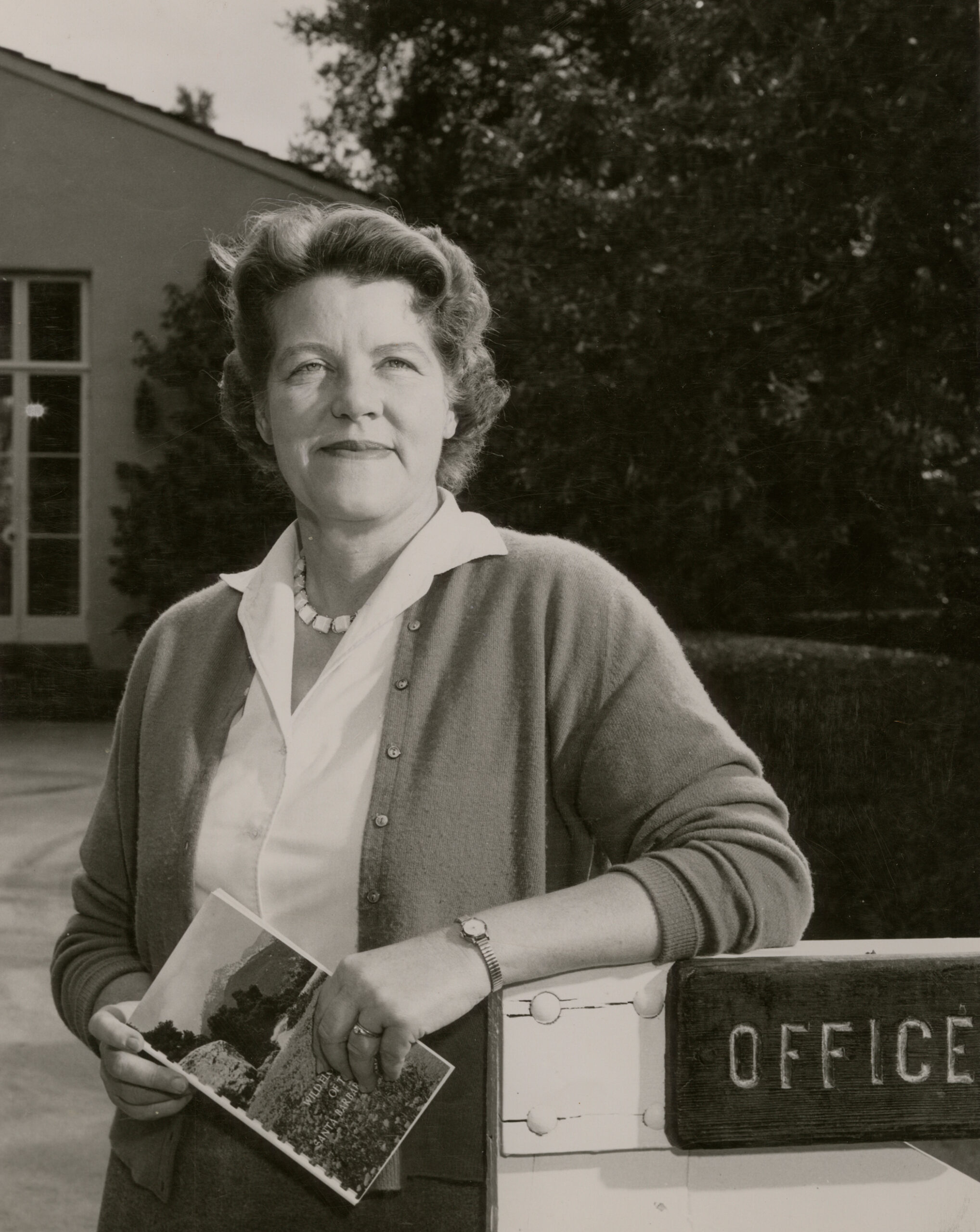
Under Dr. Katherine K. Muller’s guidance, educational programs expanded to include walks, classes, and trips. Sadly, in 1964, over 1,500 plants were burned in the Coyote Fire. However, the Garden endured and hosted the first symposium on the biology of the Channel Islands the following year.
1970s
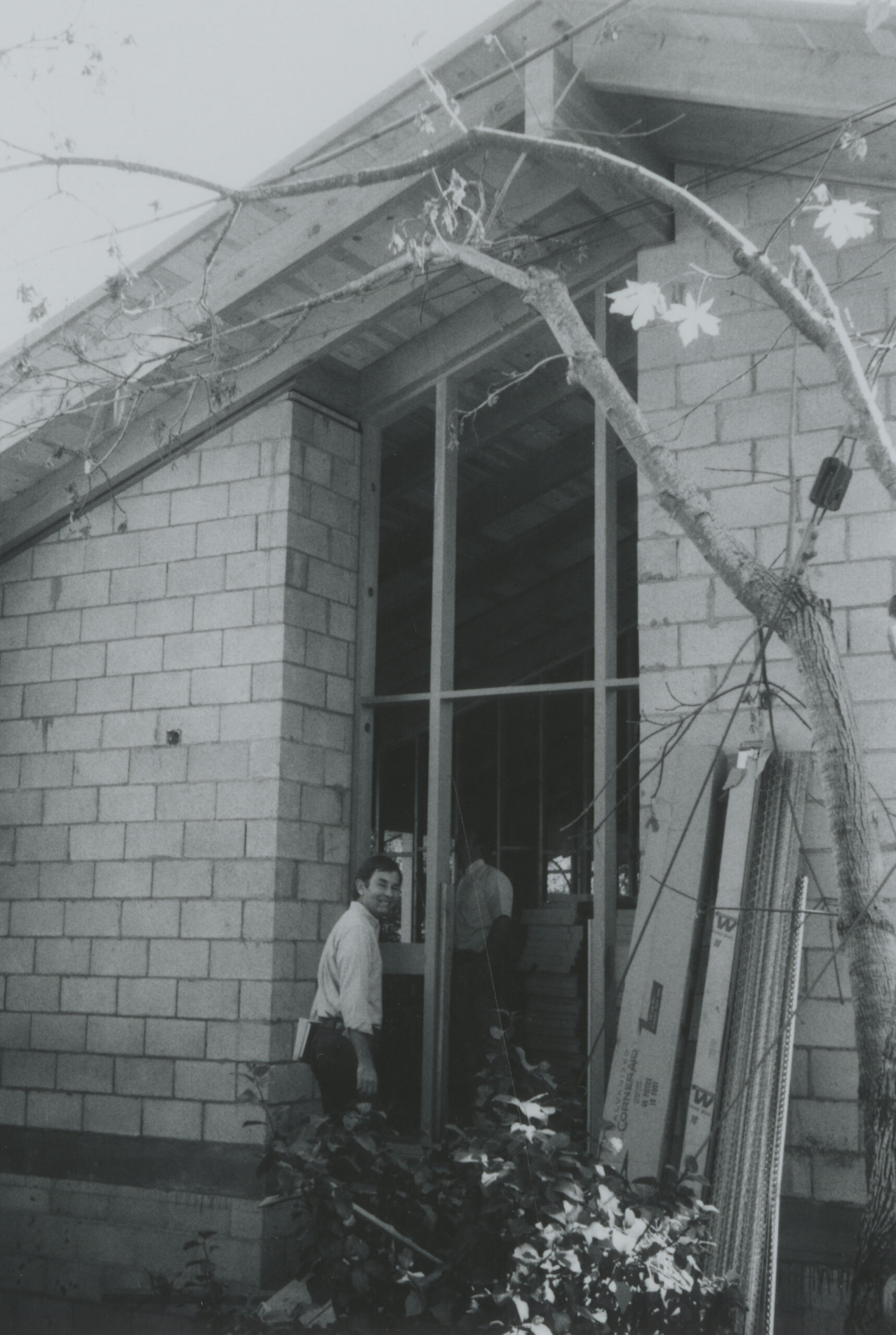
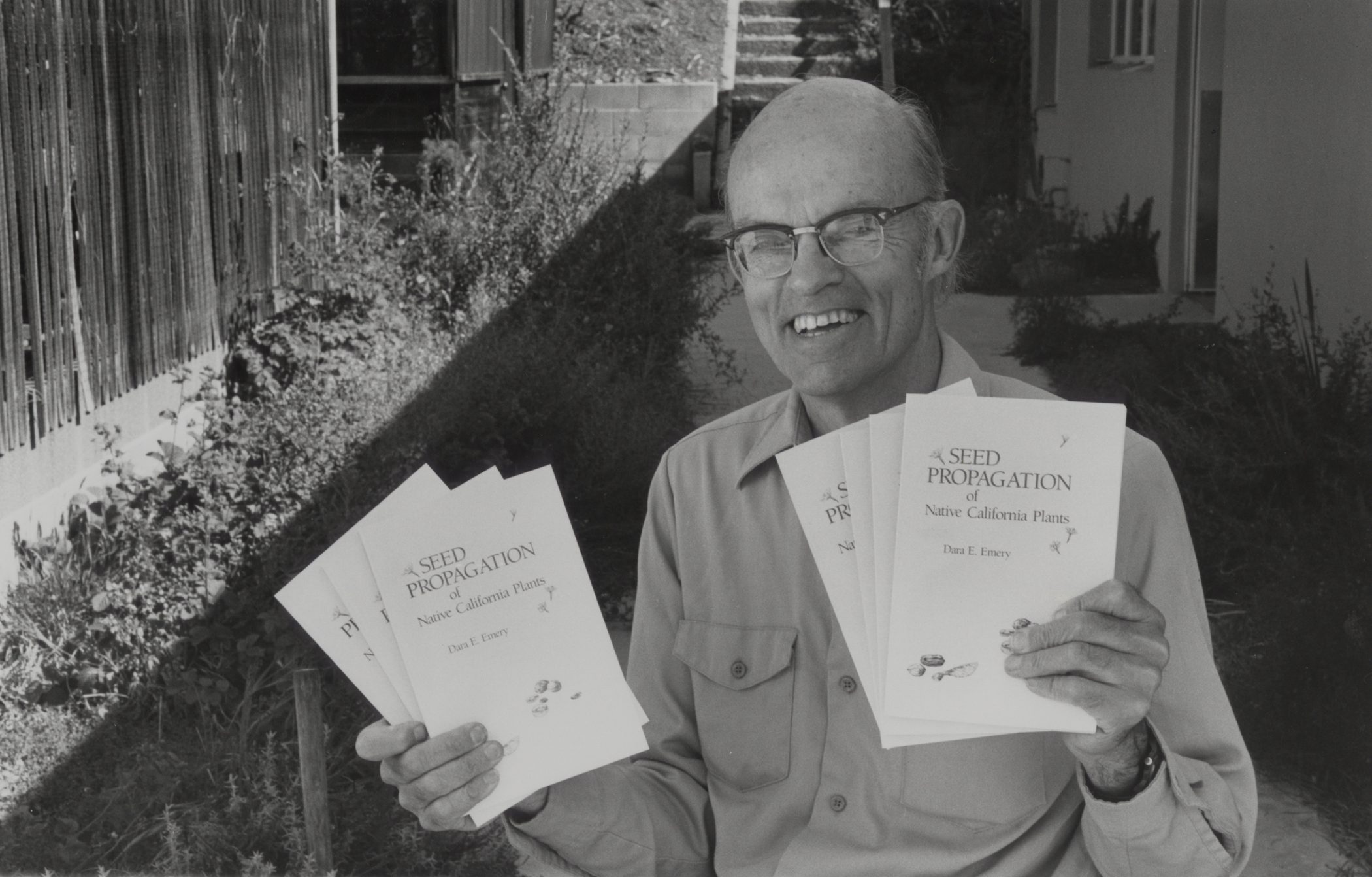
By this time, the Garden had expanded to 65 acres (26 hectares). It constructed its first fire-safe herbarium in what is now the Katherine K. Muller Education Building and a propagation unit which featured a glass house, lath house, and nursery area. Under the direction of Dara E. Emery, the Garden’s first horticulturist and plant breeder, the Garden Growers volunteer group began propagating native plants and later began selling native plants to the public. With the retirement of Dr. Muller, Dr. Ralph Philbrick stepped into the Garden’s director role.
1980s
Horticultural expertise expanded with the opening of a special horticultural facility for plant breeding experiments. In 1981, the Meadow also began its transformation into a native grassland habitat. Closing out the decade, Dara E. Emery published “Seed Propagation of Native California Plants”in 1988, a book still revered by experts and beginners alike.
1990s
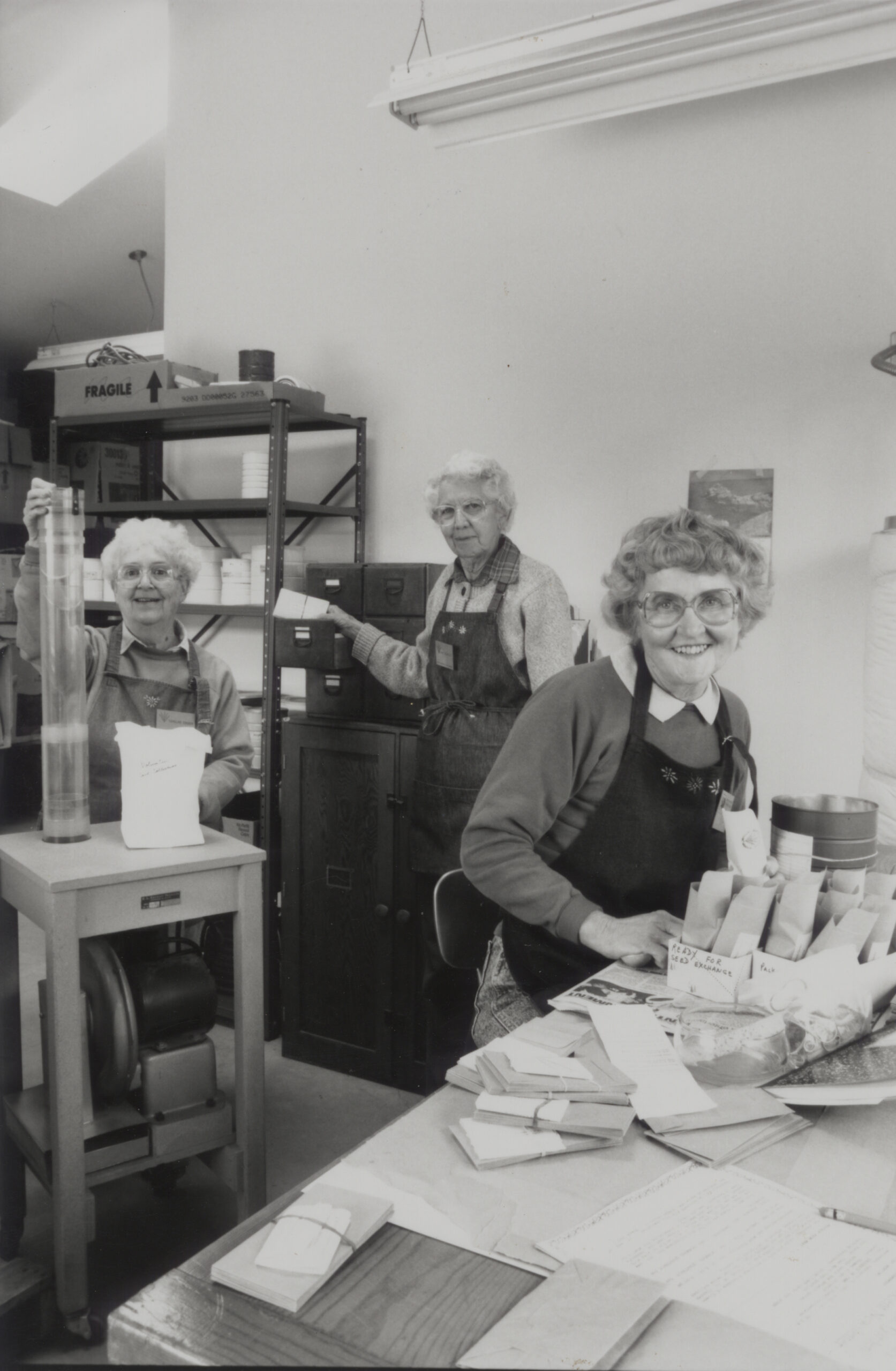
The Garden’s commitment to conservation grew with the establishment of its rare plant seed bank. It also became one of a handful of public gardens in the U.S. to be honored with accreditation by the American Alliance of Museums.
2000s
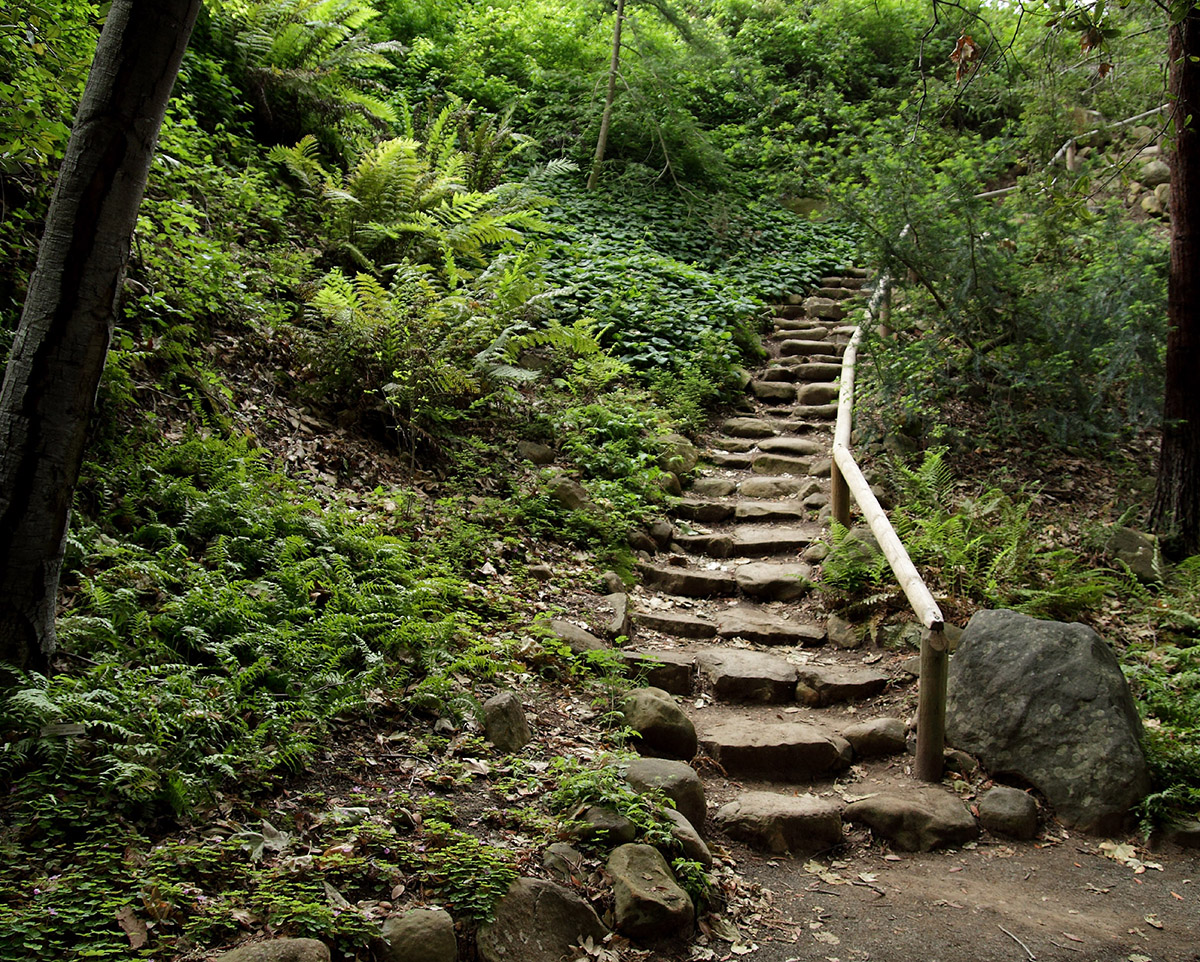
Upon reaching today’s 78 acres (31.5 hectares), the County of Santa Barbara’s Historic Landmarks Advisory Commission granted landmark status to 23 aces (9 hectares), which included the Mission Dam and Aqueduct, Redwood Steps, Information Kiosk, Caretaker’s Cottage, Blaksley Library, and Campbell Bridge.
2010s
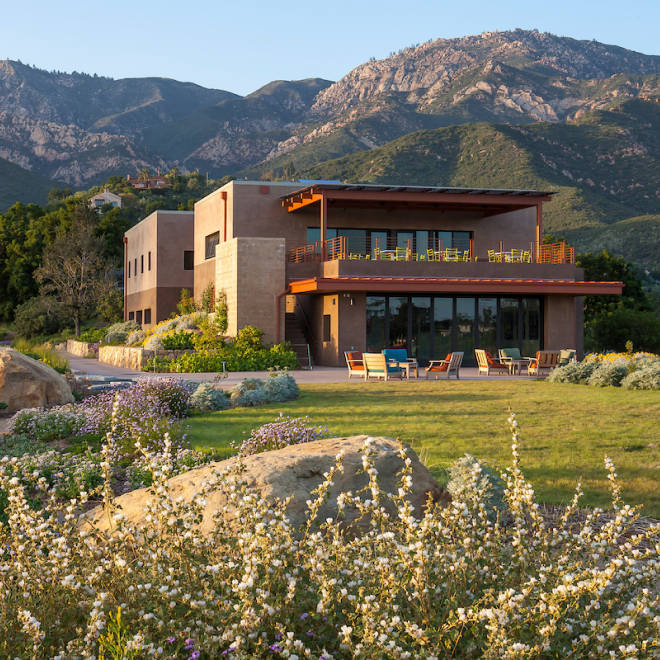
Following the Jesusita Fire in 2009, which burned 80% of the Garden, major infrastructure improvements were needed. Work included the opening of the Pritzlaff Conservation Center in 2016, enhancing research and community engagement capabilities. With this, the Garden’s conservation and research efforts expanded to include genetic analysis and ecological restoration.
2020s
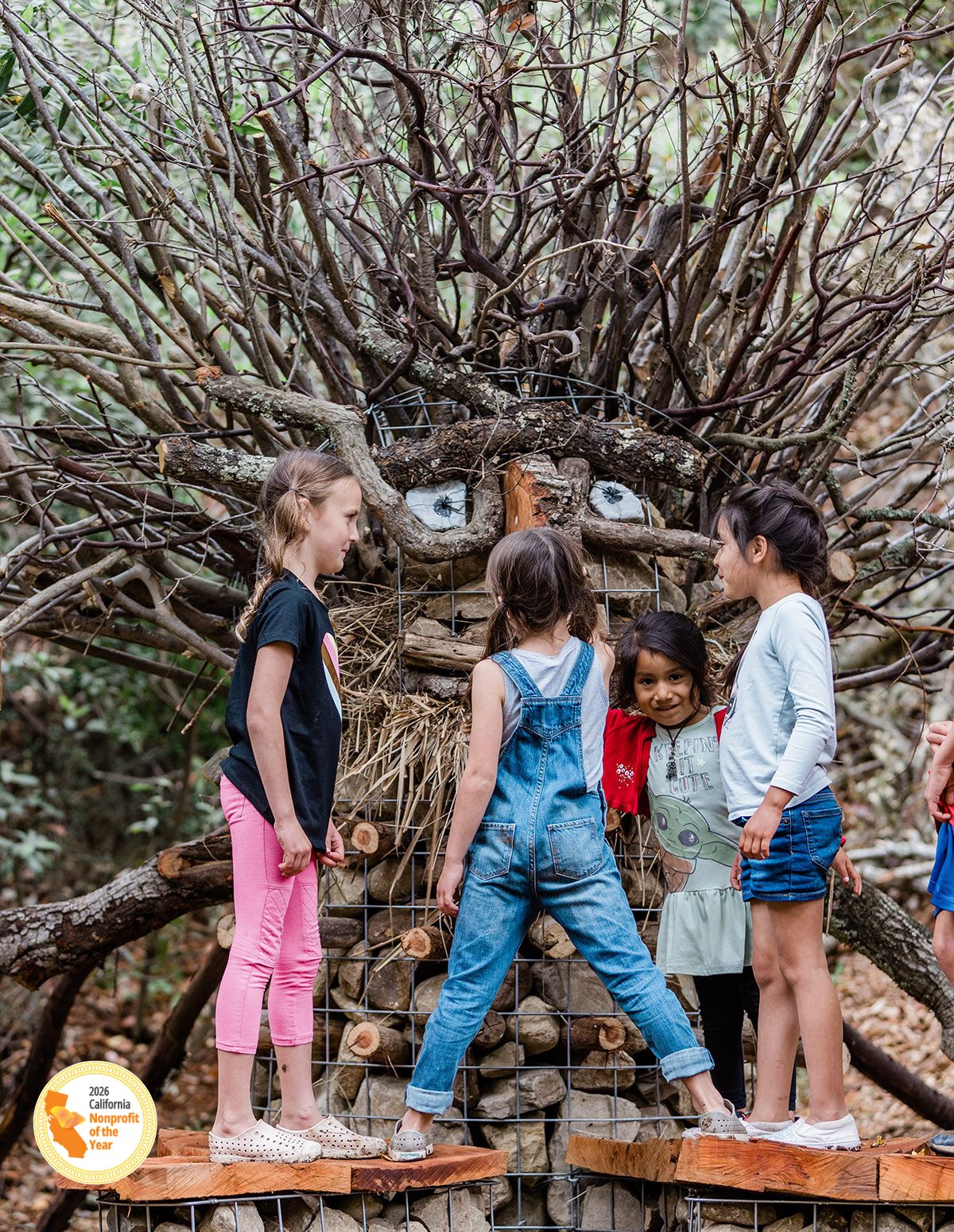
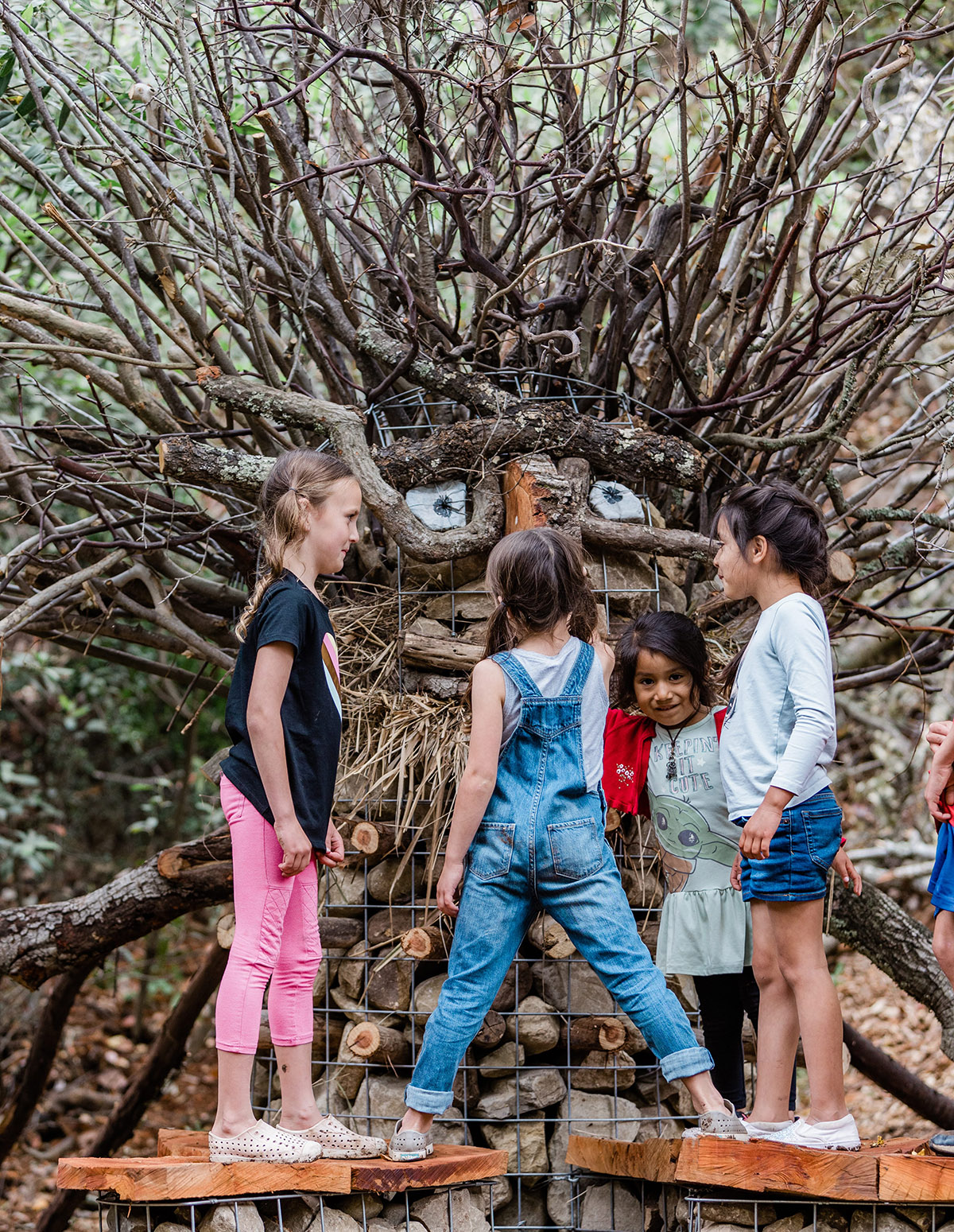
Serving as a vital community resource during the COVID-19 pandemic, the Garden underwent a brand refresh welcoming in its next chapter of growth. Aiming to inspire the next generation of stewards, youth and family programs expanded significantly with the opening of the Backcountry Section in 2022. At 4.5 acres (nearly 2 hectares), this reinvested space became the hub for Summer Camp, which now serves more than 300 youth annually.
2026
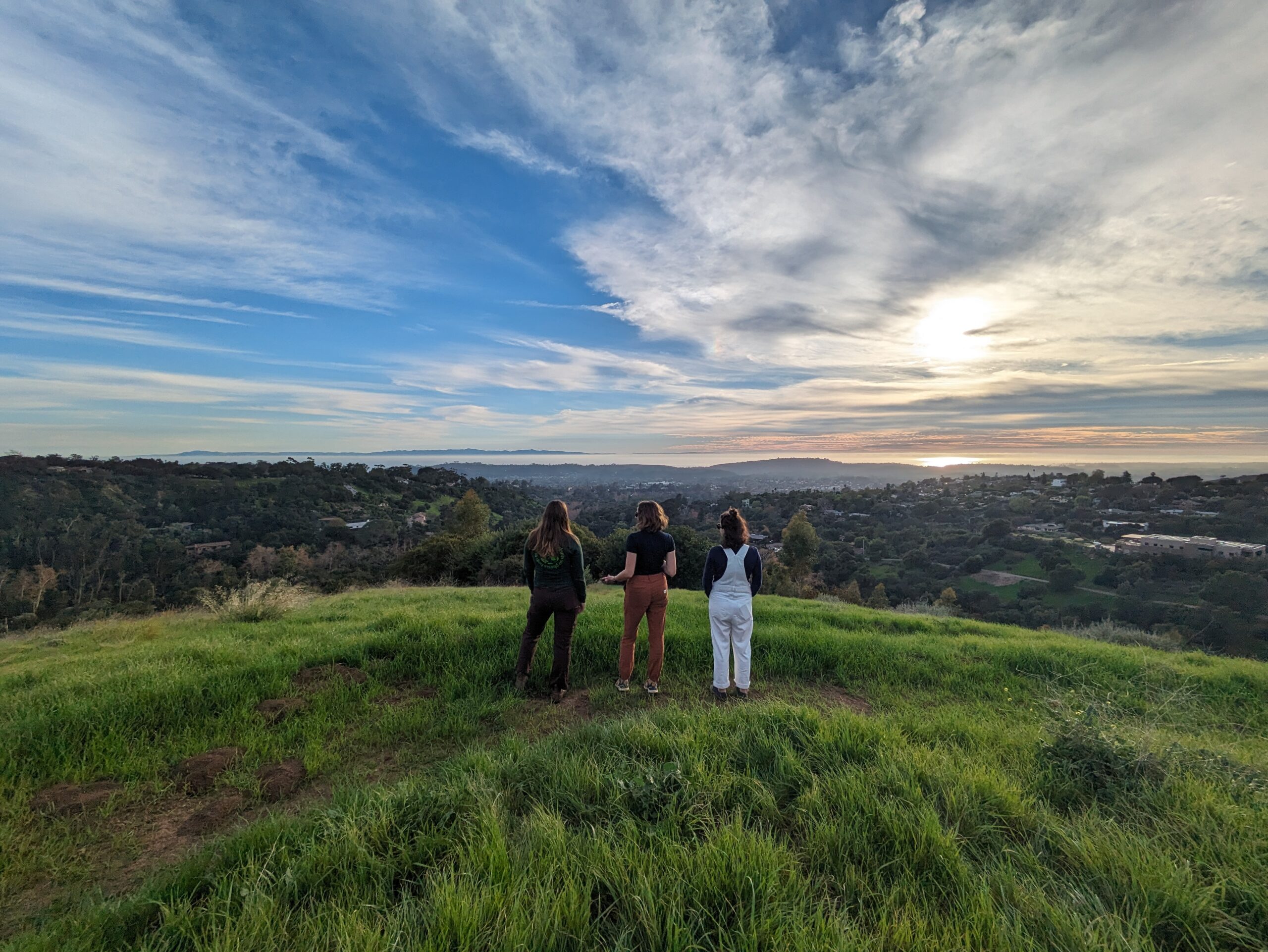
The Garden will celebrate 100 years of native plant conservation, education, and ecological stewardship, marking a century of growth and impact on California’s natural heritage. But the work won’t stop here. We welcome everyone to be a part of this story and join us in growing native plants for the health and well-being of our community and the planet, for generations to come.
2026
The Garden was named a 2026 Nonprofit of the Year by CalNonprofits and District 21 Senate President pro Tempore Monique Limón.
This recognition reflects the work of a community, from staff and volunteers to members and supporters who believe in the power of native plants.