Donate
Down for the Counting: A Birdy Morning in Cuyama Valley
On a cool morning this February, a group gathered at the Buckhorn Roadside Resort in Cuyama Valley to watch birds and drink coffee. Most participants had never used binoculars to go birding before, so the morning officially began with a binoculars tutorial: We described how to adjust the spacing between the barrels, how to focus the eyepieces, and how to raise binoculars to best catch a bird in view. We also advised the more advanced (i.e., addicted) coffee drinkers on how to lift their binoculars without spilling their coffee (hint: use your teeth).
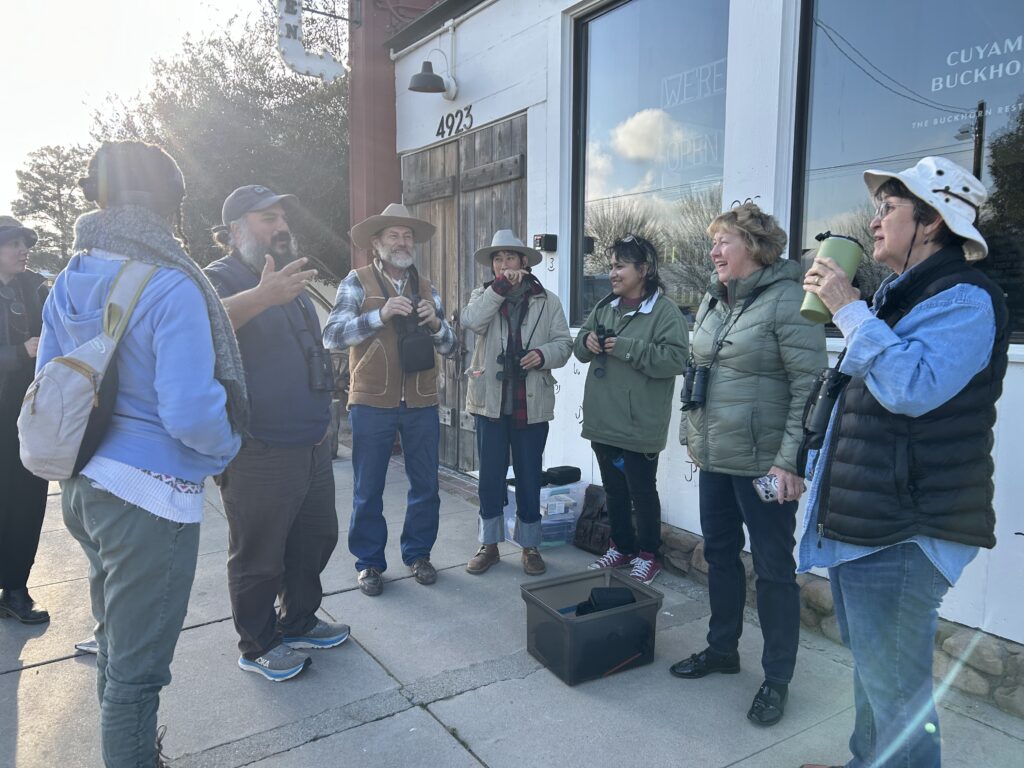
1. Before the Event Began, Zach Phillips, Ph.D., Described Birding Basics to Participants and Staff
All of us were there to participate in The Great Backyard Bird Count (GBBC), a global community science event held every February. As advertised, the GBBC is great, and birds are in fact counted, but you don’t need to stay in the backyard if you don’t want to. During the four consecutive days of the GBBC, birdwatchers choose a location where they’ll need to spend at least 15 minutes identifying bird species and counting individuals. Like our event at the Buckhorn, the observational period can take place during just one of the four days and can last for hours. These observations are added to a public database managed by eBird, which helps monitor bird communities around the world, revealing broad ecological patterns and informing conservation strategies.
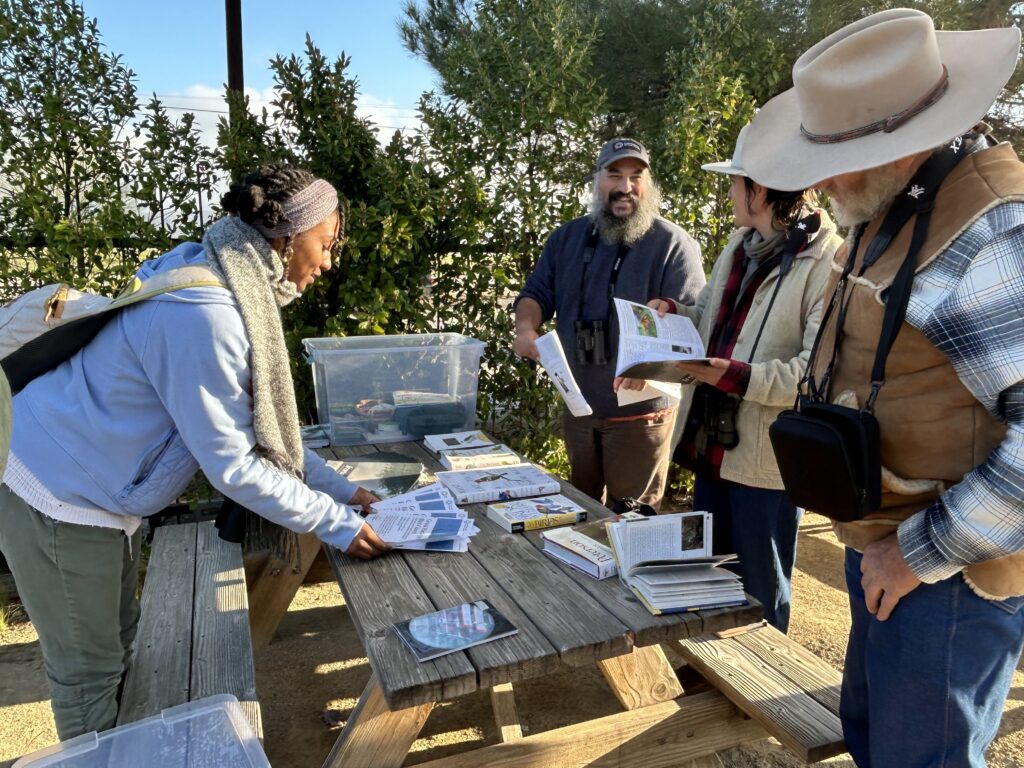
2. Stephanie Clark, Ph.D. and Zach Phillips, Ph,D., of the Garden, Discuss Additional Birding Resources With Amy Yuelpwan of Quail Springs and Jean Gaillard of Cuyama Homegrown
The Garden and Quail Springs, an educational nonprofit in Cuyama Valley, co-hosted this year’s GBBC at the Buckhorn. Although Cuyama Valley is far from our own backyard in Santa Barbara, we had good reason to organize the event there. Since 2024, we’ve partnered with a variety of Cuyama Valley residents on a plant community transformation project funded by the Natural Resources Conservation Service (NRCS). As part of this project, we’re collaborating with several farmers in the Valley to add native plant hedges near their crops, which include olives, grapes, and other locally sold produce. Hopefully, the native plants will attract pollinators that can benefit some of the crops, and predators like birds that can help control crop pests like the Olive Fly (Bactrocera oleae). Once the planting is complete, we’ll conduct biodiversity surveys to assess which pollinators and birds are visiting the native hedges and possibly benefiting the crops.
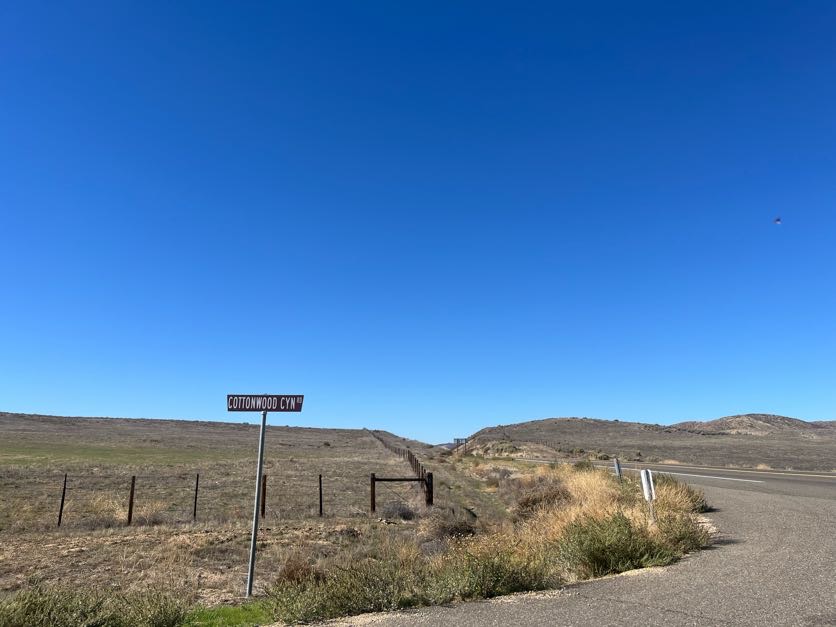
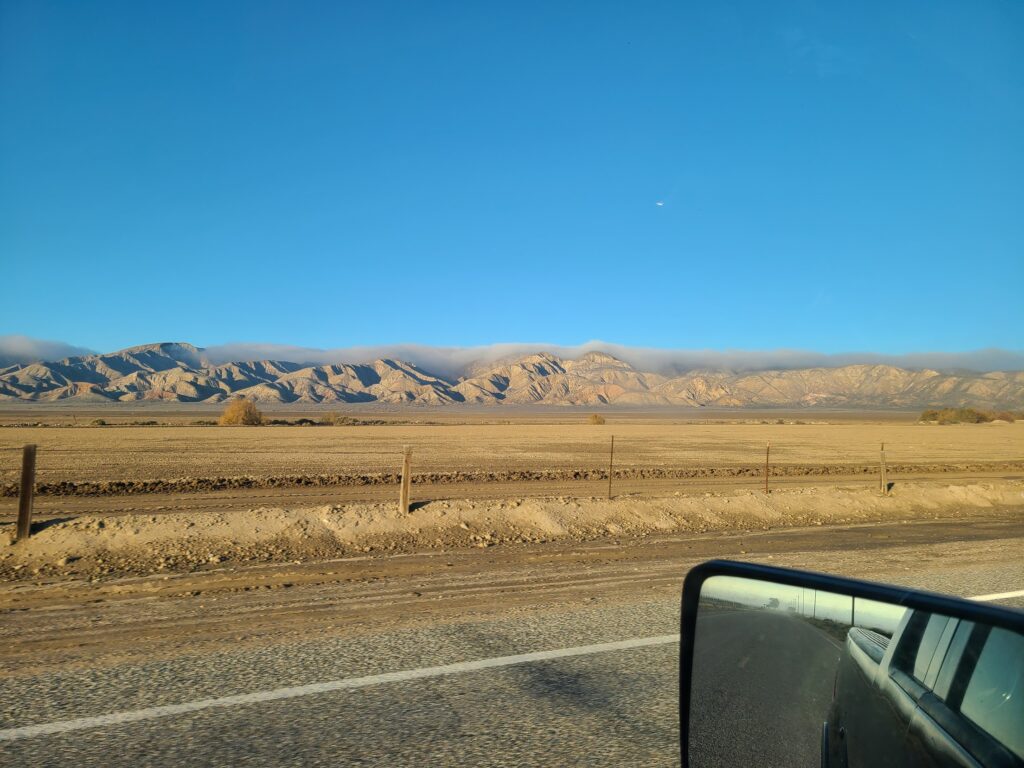
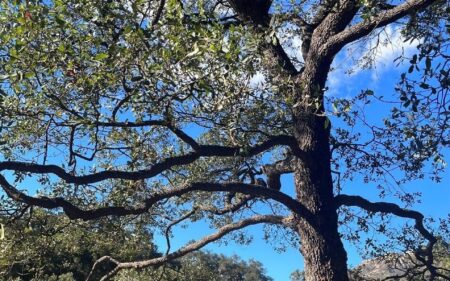
3. The Cuyama Landscape
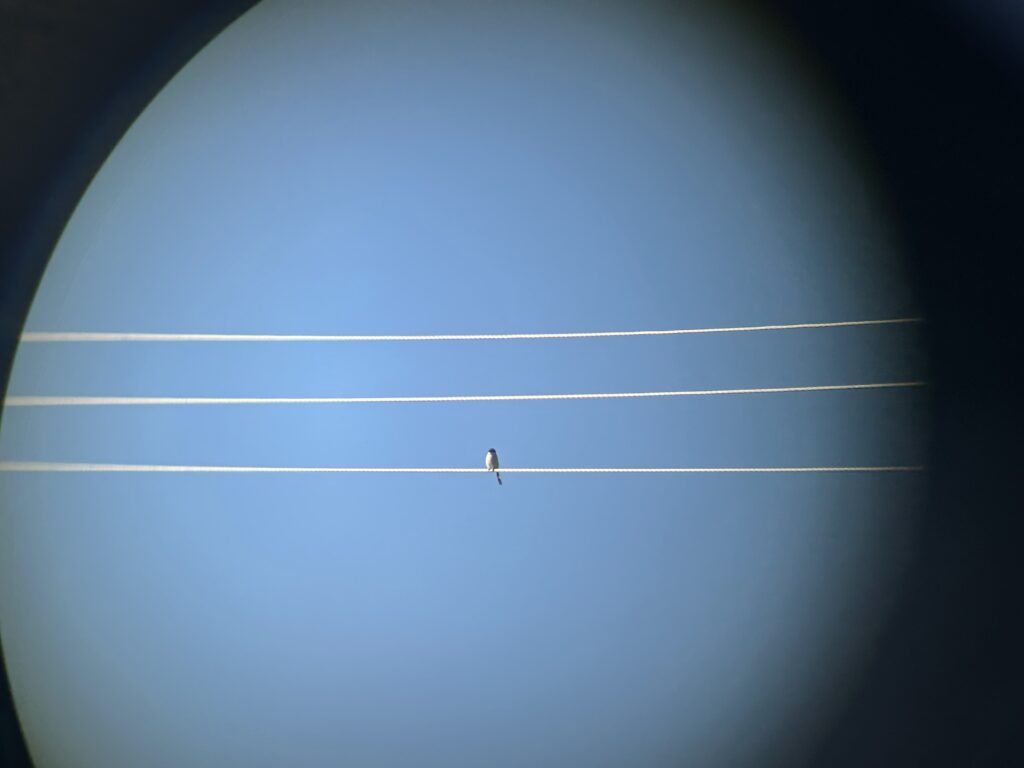
4. A “digiscoped” Photo of a Loggerhead Shrike (Lanius ludovicianus)
Jean Gaillard, one of our farmer collaborators and the co-proprietor of Cuyama Homegrown, joined us for this year’s GBBC at the Buckhorn (Photo 5). He helped us spot some of the 30 species of birds we identified, including extremely common ones like the House Finch (Haemorhous mexicanus), and less common ones like the Great-tailed Grackle (Quiscalus mexicanus). To get photos of the birds, some of us practiced “digiscoping,” an even more complicated “bino-combo” technique than holding coffee while birding. Digiscoping involves holding a phone camera steadily against a lens while holding the other end of that lens steadily on a bird. Multiple layers of steadiness are required, all easily shaken. Dongyi, the Creative Content Director at Quail Springs, managed to get a distant photo of a Loggerhead Shrike (Lanius ludovicianus) this way (Photo 4)
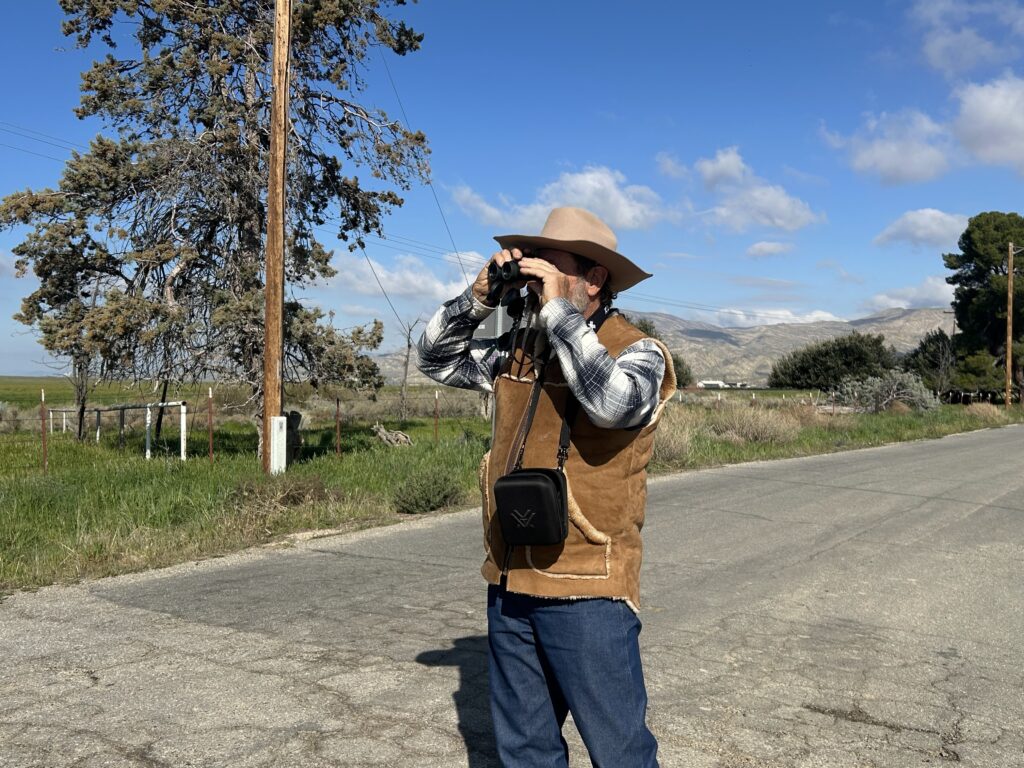
5. Jean Gaillard Looking for Birds
For many of the participants, this was the first time they closely watched birds, including the birds that live in their own Cuyama Valley communities. For better or worse, these folks will never be the same. Birds have nested in their subconscious in a place that was once devoid of avian interference but is now full of feathers and song.
The Garden and Quail Springs are planning to co-host another GBBC event next year in Cuyama Valley, possibly at one of our collaborators’ farms. We’re also organizing non-bird community events, including a nocturnal-themed mothing and stargazing night this summer, and a family event with fun prizes, childcare, and a native seed giveaway this September. Come meet our team and representatives from the National Resource Conservation Service!
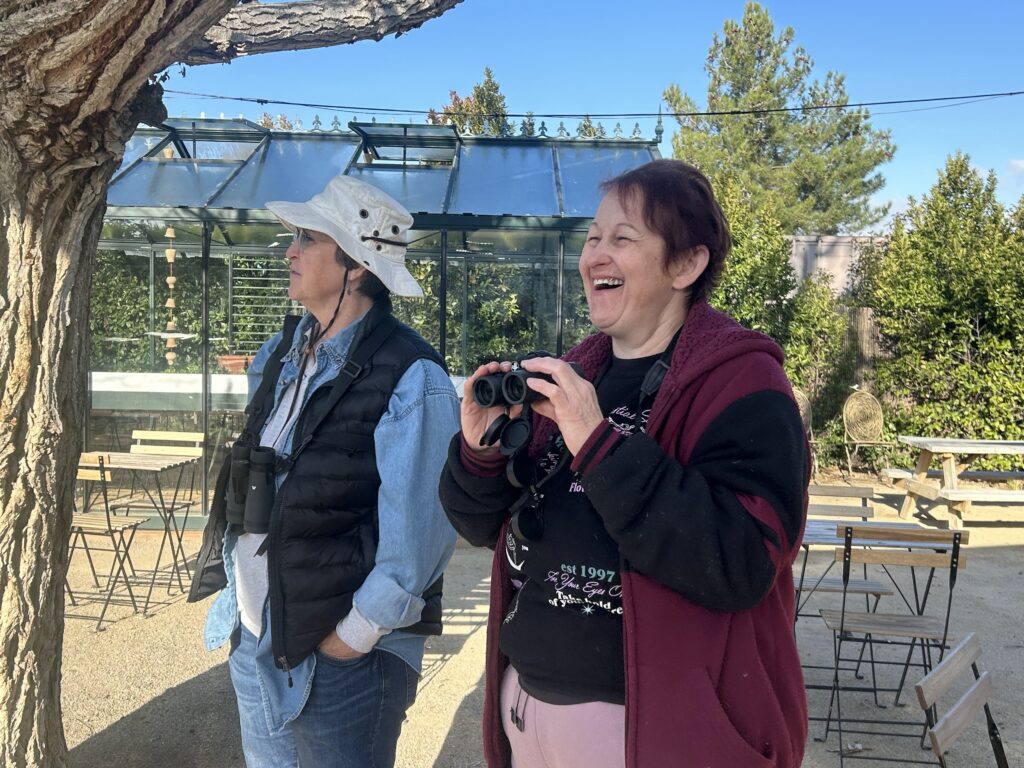
6. A Participant Lowers Their Binoculars After Spotting Some Birds in the Buckhorn Courtyard
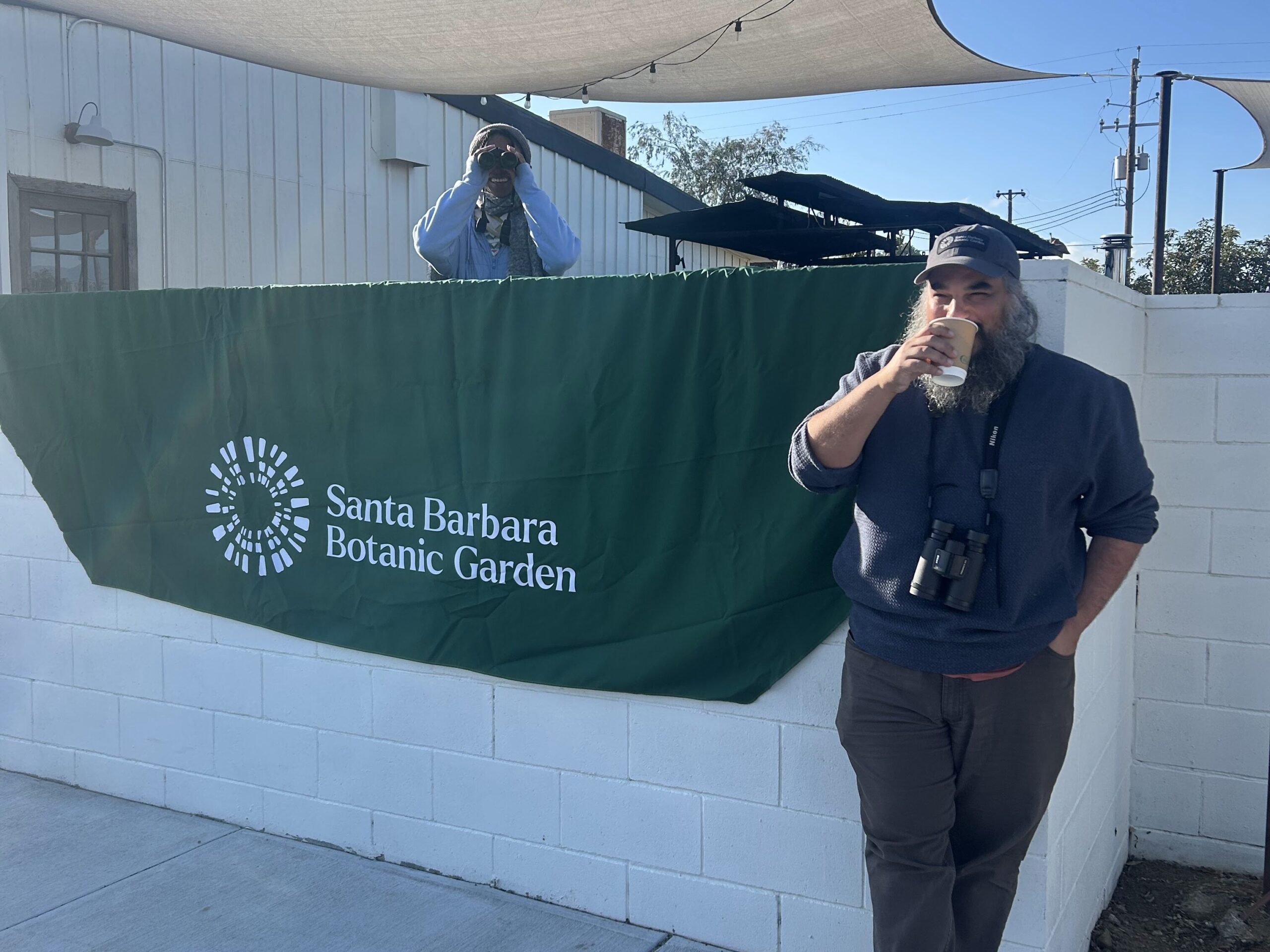
7. Santa Barbara Botanic Garden Ecologists Caught in Action at the Buckhorn Courtyard
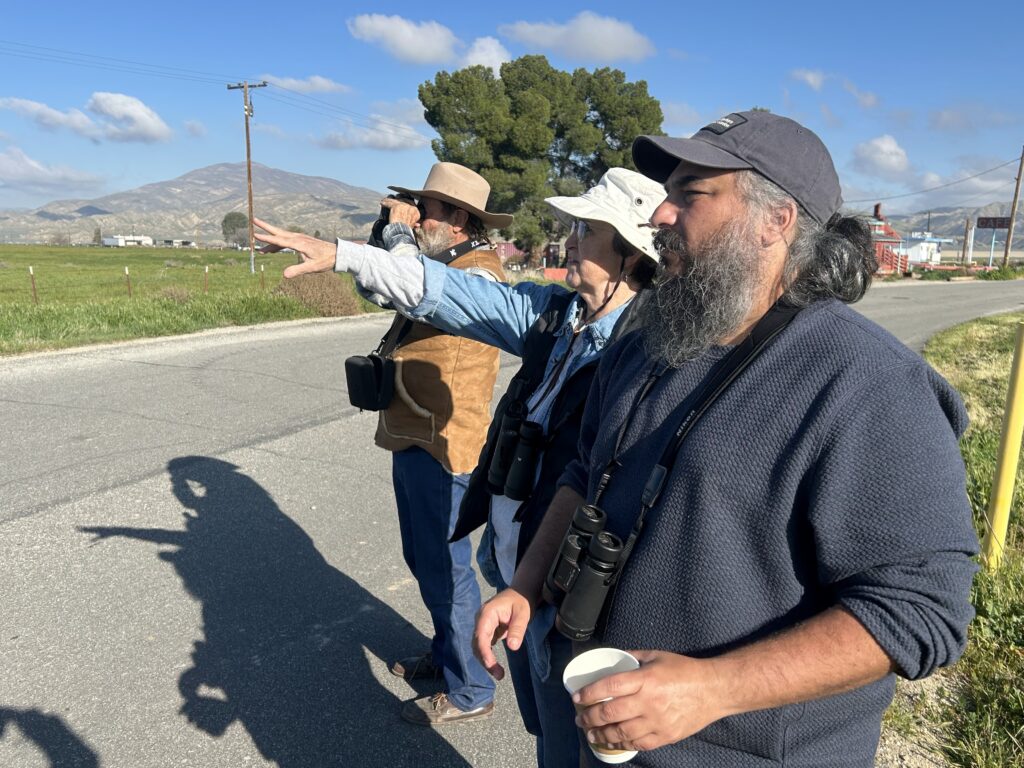
8. Zach Phillips, Ph.D. Assists With Bird Identification During a Walk Around the Buckhorn’s Property
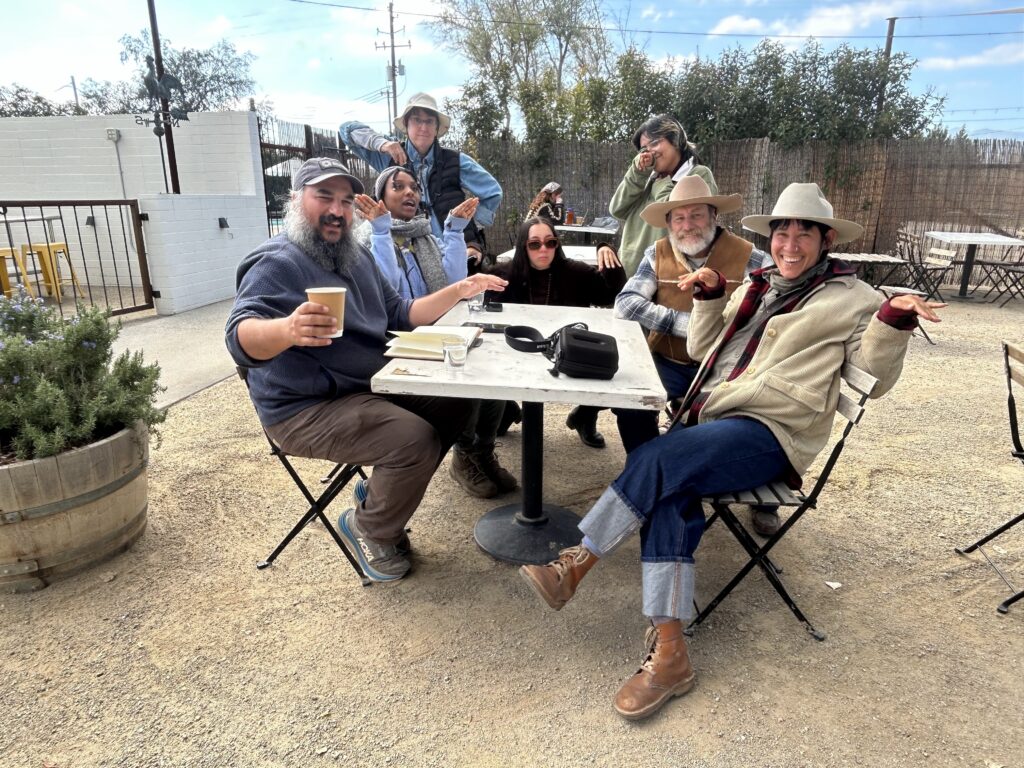
9. Some of the Participants Doing Their Best Bird Imitation
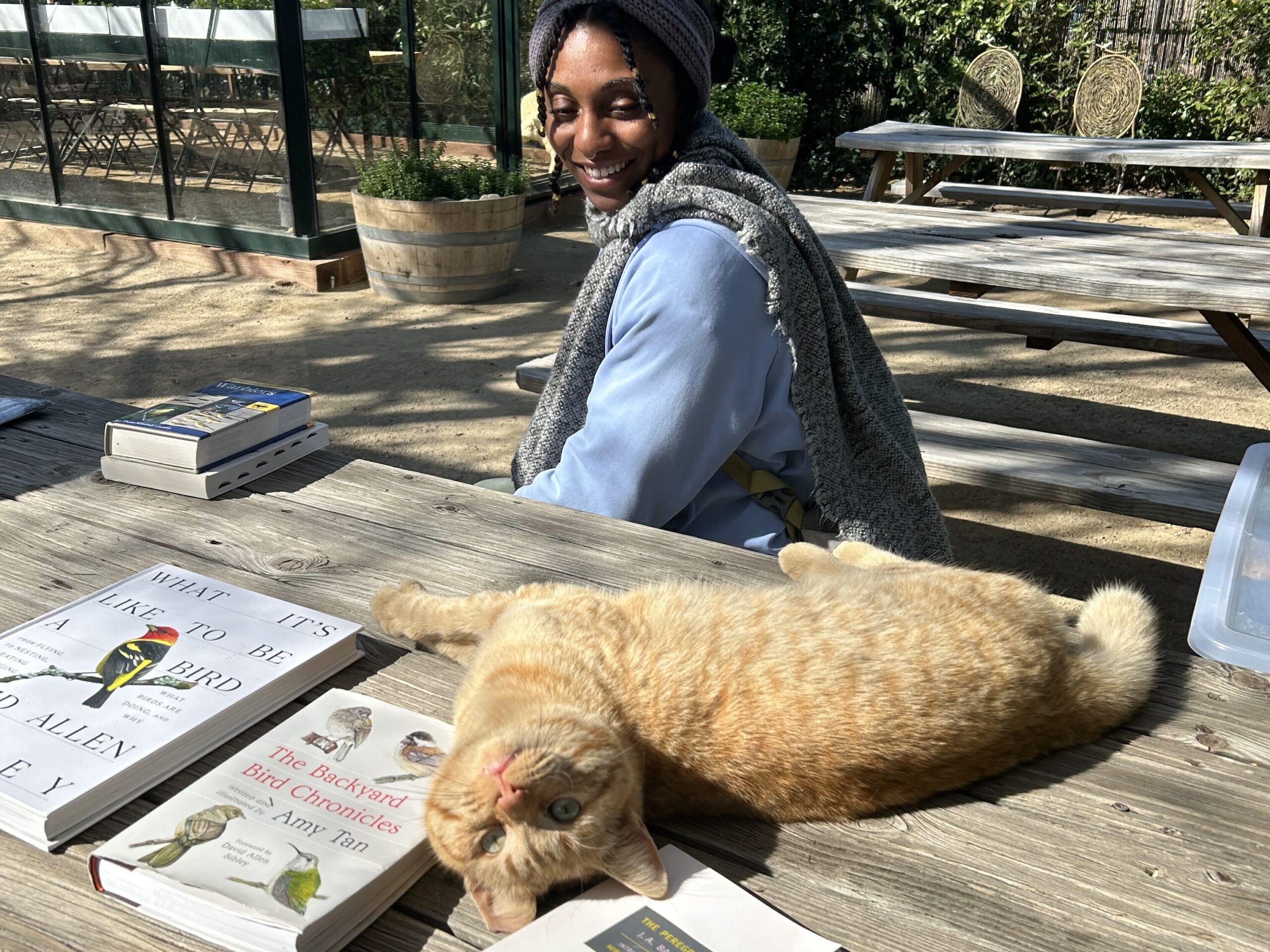
10. Catwatching
Acknowledgements:
We would like to express deep gratitude to all our partners at Quail Springs, particularly Amy Yuelpwan, for co-hosting this event with us. The Buckhorn provided a fantastic location and array of refreshments for this event! Special thanks to Dongyi, Eiren Murphy, Jean Gaillard, and the Cuyama community for their support.
A Week in the Field as a Rare Plant Botanist
Introducing the 805 Initiative: Santa Barbara Botanic Garden’s Local Genetics Nursery Program