Donate
Three Reasons Native Plants Are Essential
It is difficult to overstate how important plants are to our existence. Their ability to turn the sun’s energy, water, and carbon dioxide into sugar and oxygen is what makes plants one of Earth’s most precious resources. This life-giving power of plants is one of the fundamental reasons why gardening is such a quintessentially human activity. Anyone who has watched a seed germinate or felt their blood pressure drop as they entered an inviting green environment has experienced the direct benefits plants have on our bodies and minds.
One might ask why Santa Barbara Botanic Garden focuses so intently on native plants. If all green plants photosynthesize and provide the gifts of clean air, fresh food, and habitat for animals, does it matter whether those plants are planted where they evolved and have lived for millennia? As it turns out, this does matter. Here are three key reasons why native plants are the right choice for your garden, neighborhood, and community:
They Support the Web of Life
Native plants form the foundation of nearly all healthy terrestrial ecosystems. Over generations, organisms such as insects, birds, mammals, and reptiles have evolved to rely on certain plants for their survival. In some instances, the native plants that have existed in a particular geography for millions of years have developed inextricable relationships with other organisms.
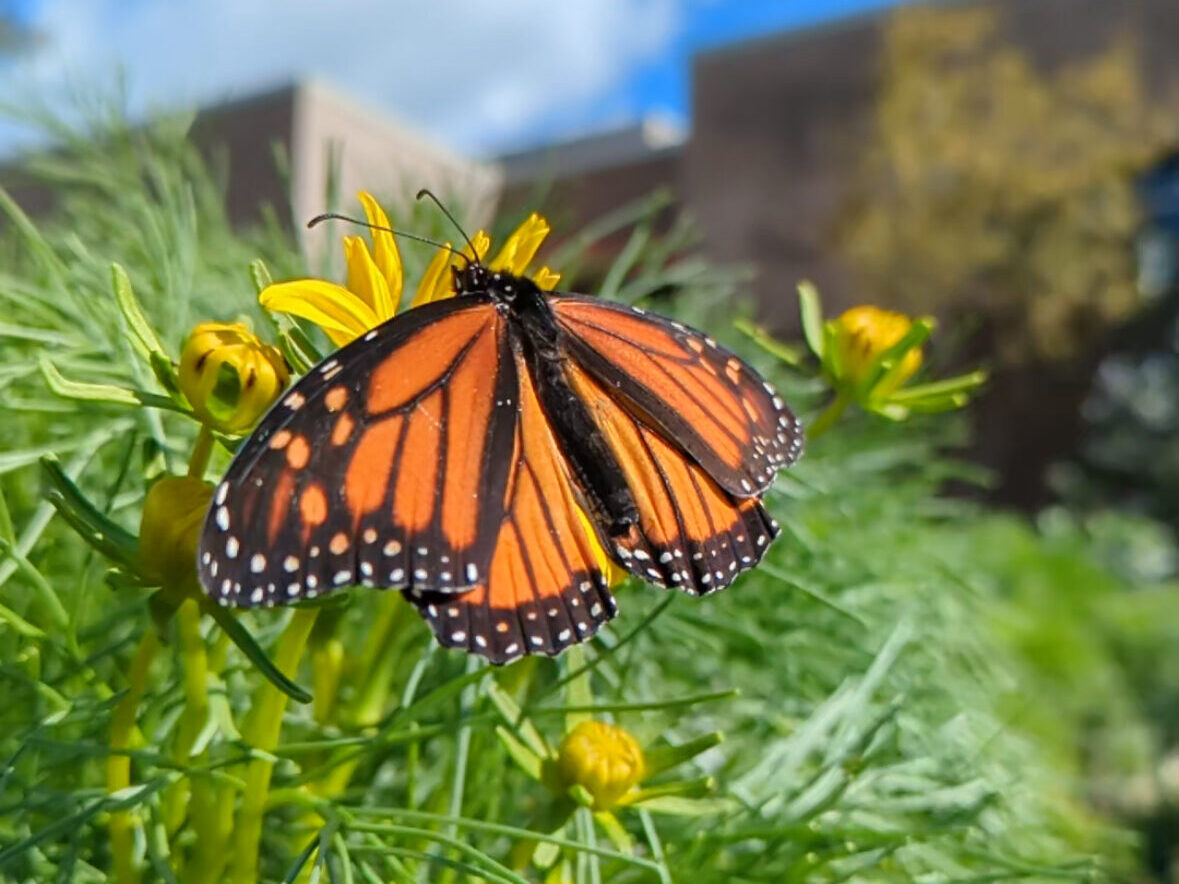
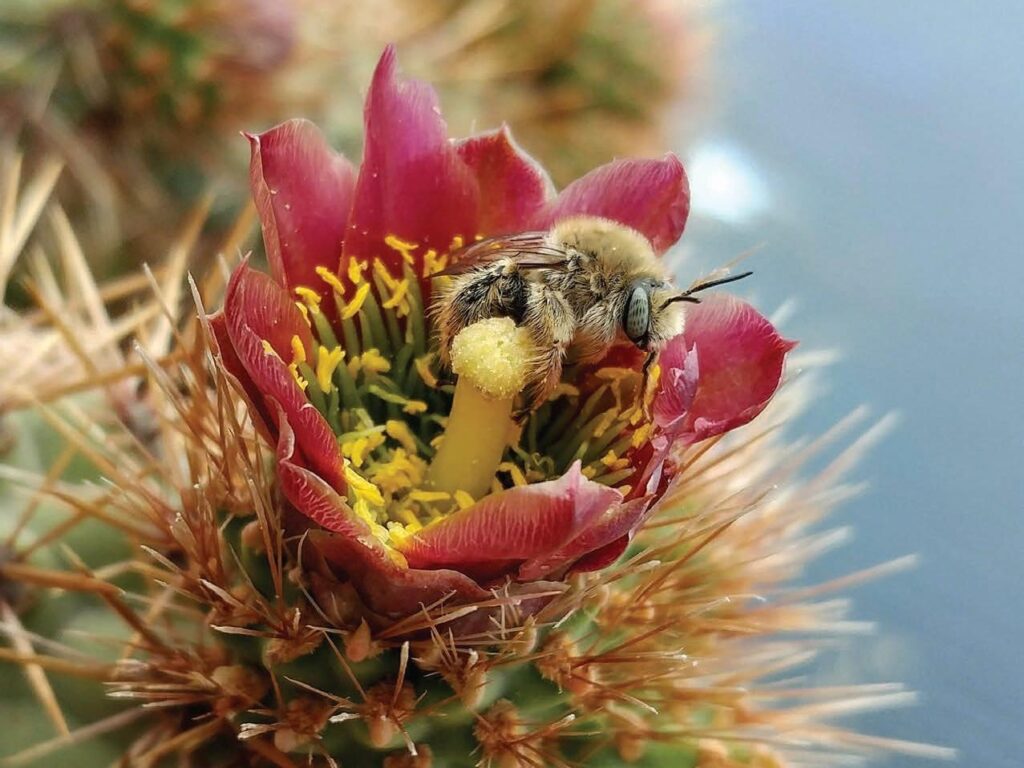
In Santa Barbara County alone, over 100 species of butterflies can be found. Many of these species require a particular larval host plant to eat as caterpillars before they pupate into adulthood. The monarch butterfly (Danaus plexippus) and its relationship to milkweed (Asclepias spp.) is just one well-documented example of this coevolution. California’s 1,600 species of native bees (Family Apidae), over 300 species of terrestrial birds (Class Aves), and countless other animals have tight-knit relationships with native plants to create a web that supports not only feeding schedules but also the annual cycles (bloom, nesting, migration) that are swirling around us.
In turn, supporting this diversity of organisms ensures that we are also supporting the variety of services humans rely on, including pollination, pest management, and wildlife management. By planting native plants in your neighborhood, you are tapping into a local frequency of life’s global broadcast.
They Support Our Communities
Although pollination and pest management services are inherently tied to native plants, these might not be things you notice in your neighborhood on a daily basis. The truth is that native plants provide these benefits and so much more in our wild lands, parks, and neighborhoods, too. Since native plants have evolved and survived in our landscape for millennia, they are adapted to the conditions we experience throughout the year. In California’s Mediterranean-type climate with cool winters and hot, dry summers, a shady tree over a hot sidewalk or a building that is passively cooled by surrounding plants can make the difference between life and death for thousands of people each year. By reducing the effects of urban heat islands, native plants not only provide the habitat benefits listed above for wildlife but help create a healthy habitat for humans, as well.
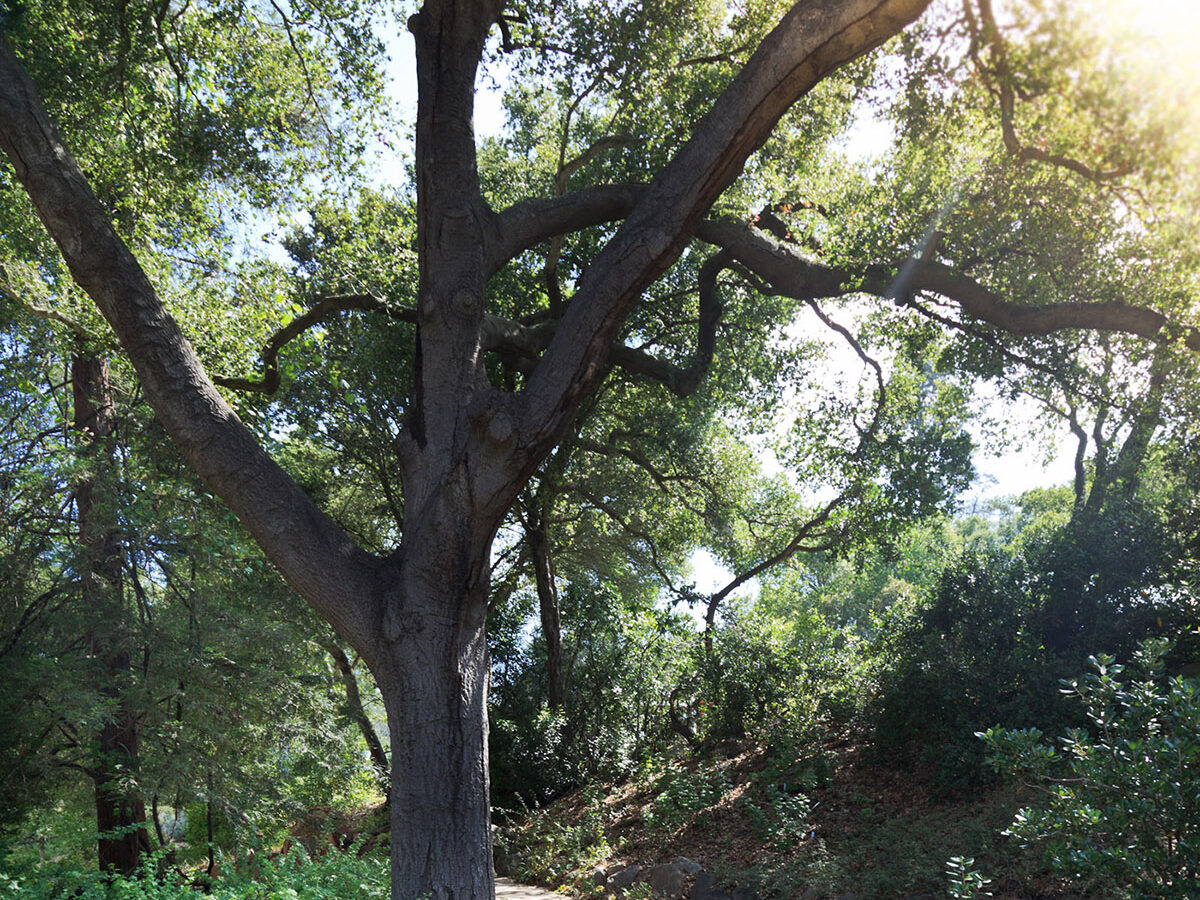
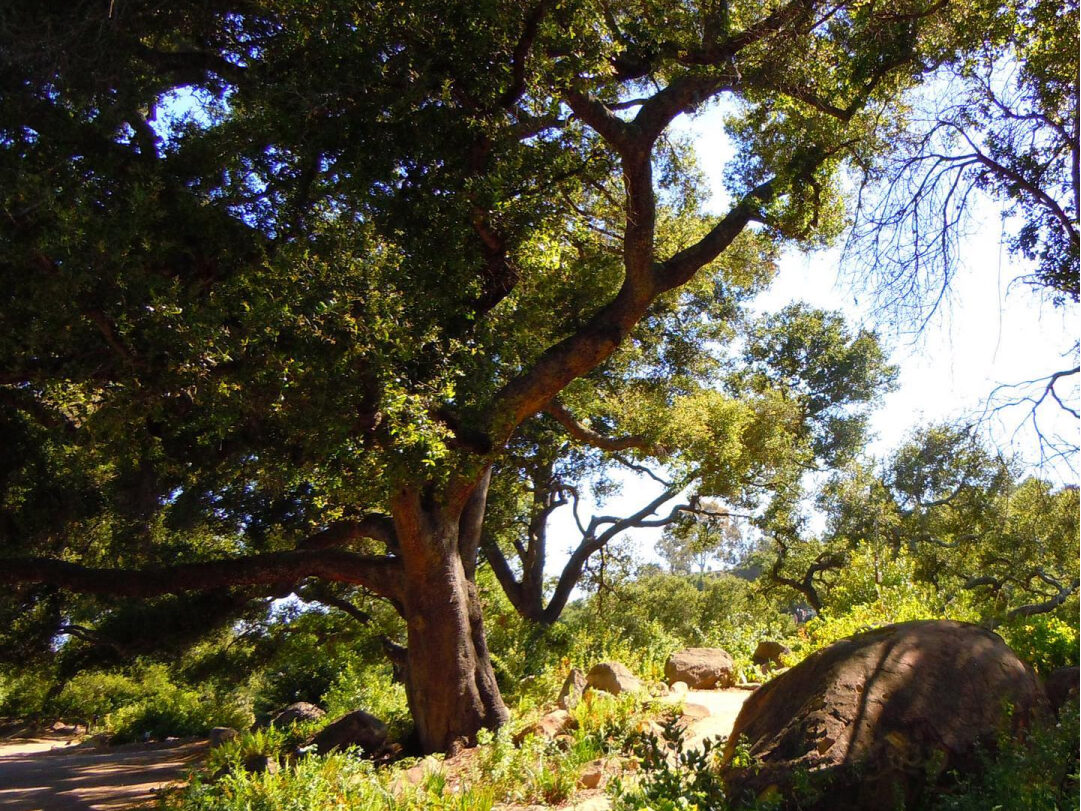
In California, wildfires are an ever-present and growing concern for residents. Appropriately selected and well-maintained native plants have the potential to create “ember nets” that absorb and minimize the threat of flying embers in a firestorm. Many native plants are also adapted to recover after a fire, mitigating erosion and providing habitat for recovering populations of wildlife. At the Garden, we are studying the potential for oak trees (Quercus spp.) to provide community protection from wildfire. While oaks are potentially among the most significant contributors to green fuel breaks, hundreds of native species have similar adaptations and have characteristics that make them good candidates for ensuring resilient communities.
They Support Our Quality of Life
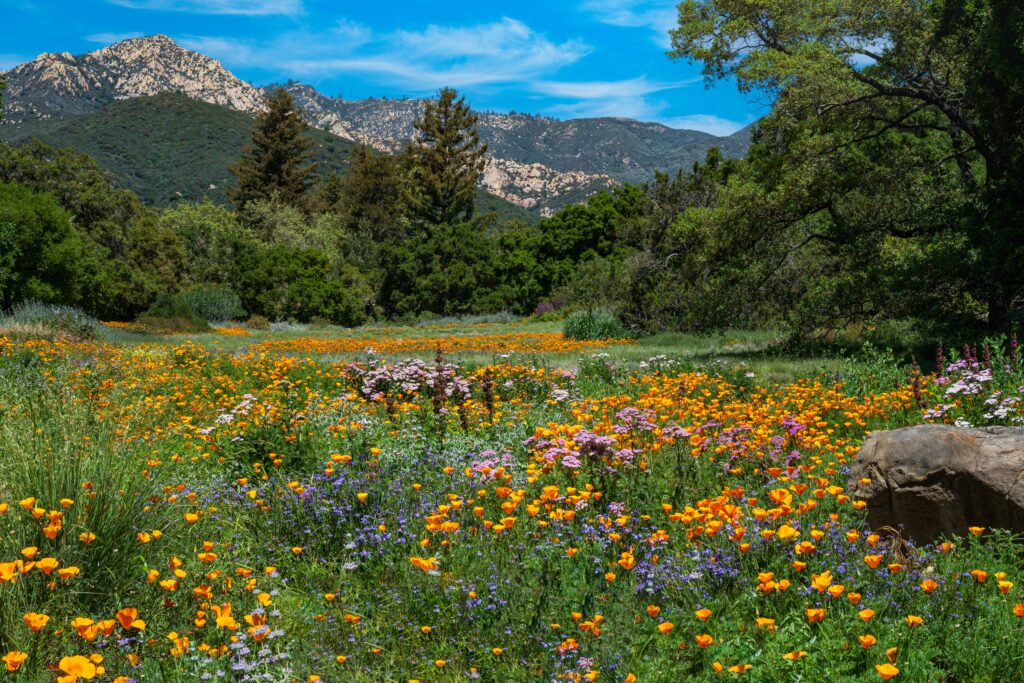
There are certain things we all cherish when we spot them: a spray of orange provided by a patch of California poppies (Eschscholzia californica), an Anna’s Hummingbird (Calypte anna) visiting a flower, or a giant western swallowtail butterfly (Papilio rutulus) landing on a Catalina cherry tree (Prunus ilicifolia ssp. lyonii) to lay her eggs. When gardening with native plants, the beauty and delight of nature become front and center. We know that plants, in general, provide us with both physical and psychological benefits, ranging from lowered stress hormones to increased happiness and relaxation. Native plants, however, bear the bonus of bountiful wildlife viewing, which is associated with similar health advantages. Take these double benefits as your invitation to creating a more welcoming yard, neighborhood, or community.
Moreover, native plants have nourished humans for untold millennia. Dried white sage (Salvia apiana) bundles burned to “smudge” homes and workplaces are being used by contemporary residents of California to connect with native plants and enrich our living spaces. But the demand for these bundles has pushed collectors to overharvest wild plants, endangering both plant populations and Indigenous access to traditional materials. However, if you grow your own populations of white sage and other aromatic native plants, you can enjoy them while connecting with the plant in a meaningful way, supporting native pollinator populations, and helping ensure that wild populations are available for cultural use. Similar native plants such as yerba buena (Clinopodium douglasii), yerba santa (Eriodictyon spp.), yerba mansa (Anemopsis californica), and elderberry (Sambucus mexicana) are powerful medicinal plants that work well in gardens, also and connect us more deeply to the lands we inhabit.
Join the Native Plant Movement
Armed with the knowledge of what native plants do for surrounding habitats and for us as humans, we want you to feel empowered to make your mark. In an age when climate change looms as an existential threat, knowing that we can make an impact one native seed at a time is heartening. We encourage you to join us in the movement to make our neighborhoods, communities, and urban areas vibrant, resilient landscapes where people and nature are nourished.
In the Nick of Time: Serendipitous Seed Collection During Fire Season
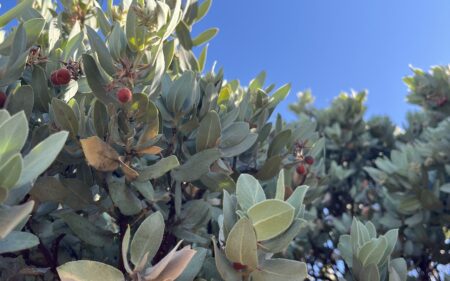
The Science Behind It All
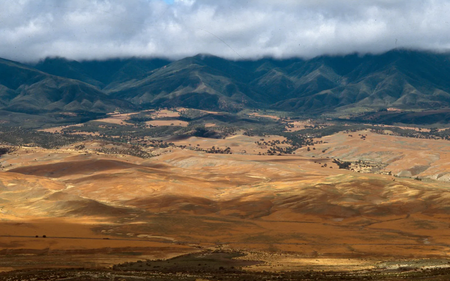
Putting Pollinators First Through Art: A New Way to Design Gardens

What the Torrey Pines Are Trying to Teach Us